 Multiple Faces Detected


 July 17th, 2023
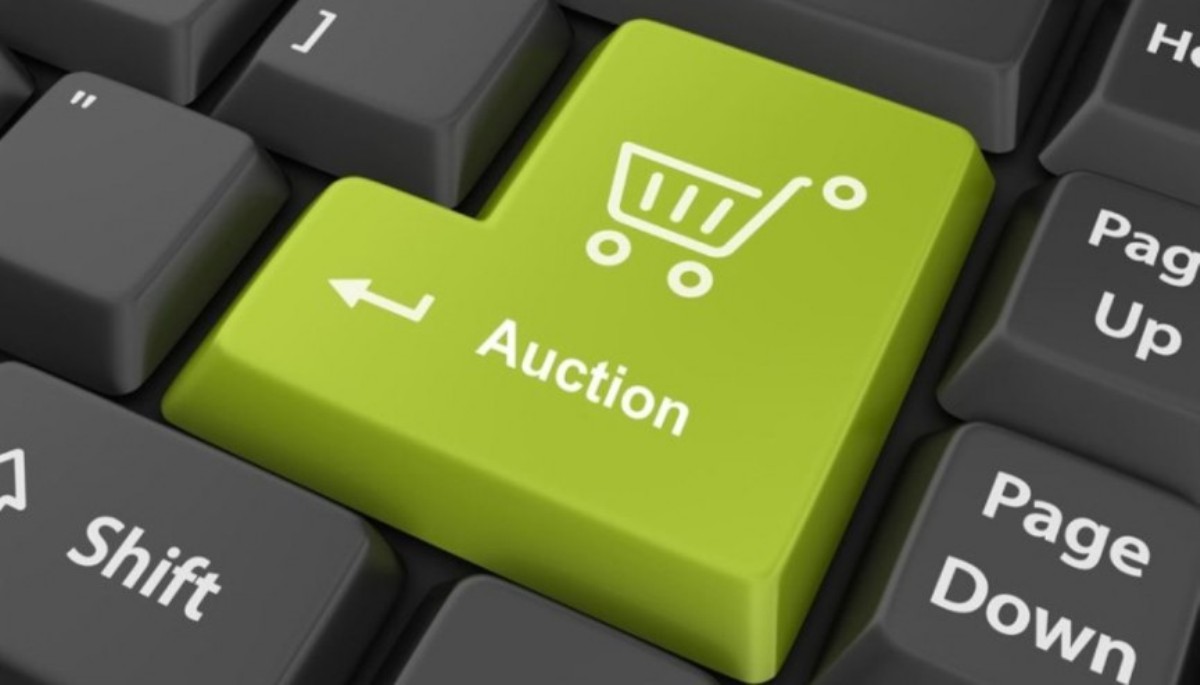
In the fast-paced and interconnected world of online commerce, participating in virtual auctions has become an increasingly popular way to uncover hidden treasures and snag incredible deals. However, as the allure of these digital bidding platforms grows, so do the concerns surrounding privacy and security. While the thrill of securing coveted items may capture our attention, it is crucial to navigate the online auction landscape with caution and awareness. In this blog post, we delve into the realm of privacy and security considerations for online auctions, equipping you with valuable insights to bid safely and smartly. Discover essential tips and best practices to safeguard your personal information, protect your identity, and ensure a smooth and secure auction experience. Empower yourself with knowledge as we explore the steps you can take to embrace the excitement of online bidding while safeguarding your privacy and preserving your peace of mind.
Understanding the Privacy Risks in Online Auctions
Participating in online auctions can expose you to several privacy risks that demand vigilant attention. It is crucial to comprehend these potential risks to safeguard your personal information and make informed decisions while bidding on items.
Online auction platforms often store sensitive user data, including email addresses, contact information, and payment details. In the unfortunate event of a data breach, this information could fall into the wrong hands, leading to identity theft, financial fraud, and other privacy violations.
Many auction sites utilize third-party tracking tools and cookies to collect user data for advertising and analytical purposes. These third-party entities may have access to your browsing habits and personal preferences, potentially compromising your privacy and exposing you to targeted advertisements.
Online auctions can attract scammers who attempt to deceive unsuspecting bidders with fake listings or phishing emails. Clicking on fraudulent links or providing personal information to malicious actors can lead to identity theft or financial loss.
Some auction sites make bid histories publicly accessible, potentially revealing your bidding behavior and interests to other users. While this information is generally anonymized, it can still pose privacy concerns for some individuals.
If you win an item in an online auction, you may need to provide your contact information to the auctioneer or seller for shipping purposes. While legitimate sellers will handle your data responsibly, there is always a risk of it falling into the wrong hands if dealing with untrustworthy individuals or poorly secured websites.
Cybercriminals may attempt social engineering attacks by monitoring your activity on auction platforms and crafting personalized scams. By learning about your interests and bidding behavior, they can create convincing messages designed to deceive you and gain access to sensitive information.
Securing Your Personal Information: Tips for Privacy Protection
Securing your personal information is paramount when engaging in online auctions to prevent identity theft and other privacy breaches. By implementing effective privacy protection measures, you can bid on items with confidence and minimize the risk of falling victim to cyber threats.
Create a strong and unique password for your auction account, combining uppercase and lowercase letters, numbers, and special characters. Avoid using easily guessable information like birthdays or names. Additionally, refrain from using the same password for multiple accounts to prevent potential cascading security breaches.
Many online auction platforms offer the option of enabling two-factor authentication, which adds an extra layer of security to your account. With 2FA, you’ll need to provide a second verification code, usually sent to your phone, when logging in, making it significantly harder for unauthorized individuals to access your account.
Limit the amount of personal information you share on your auction profile. Avoid displaying sensitive details like your full name, home address, or contact information. Only provide necessary information for shipping purposes, and check the platform’s privacy settings to ensure you control what is visible to other users.
Before participating in an online auction, review the platform’s security features and privacy policies. Ensure that the website uses encryption (look for “https://” in the URL) to protect your data during transactions and considers robust security measures to safeguard user information.
Consider using a reputable VPN service when accessing online auction platforms from public Wi-Fi networks or unfamiliar locations. A VPN encrypts your internet connection, making it significantly harder for hackers to intercept your data and invade your privacy.
Keep your devices’ operating systems, browsers, and security software up to date to prevent vulnerabilities that cybercriminals may exploit. Install reputable anti-malware software to scan for and remove potential threats that could compromise your personal information.
Safeguarding Your Identity During Bidding: Best Practices
Safeguarding your identity during online bidding is crucial to protect yourself from identity theft and maintain a secure online presence. As you immerse yourself in the world of virtual auctions, it’s essential to adopt best practices to keep your identity safe. Here are six effective strategies to safeguard your identity during bidding:
- Maintain Anonymity: When creating a bidding profile, use a username that does not reveal your real name or other identifiable information. Avoid using your email address as your username, as this could make it easier for malicious actors to track your activity online.
- Limit Personal Details in Public Communication: Be cautious about sharing personal details in public auction discussions or comments. Avoid disclosing your contact information, financial data, or other sensitive details that could be exploited by cybercriminals.
- Be Skeptical of Unsolicited Communication: Exercise caution when receiving unsolicited messages, especially if they request personal information or seem suspicious. Phishing attempts are common in online environments, and it’s essential to verify the legitimacy of the sender before sharing any sensitive data.
- Verify Sellers’ Reputations: Before placing bids or purchasing items, research the reputation of the sellers. Check their feedback and reviews from previous buyers to ensure they have a trustworthy track record. Dealing with reputable sellers reduces the risk of falling victim to fraudulent activities.
- Monitor Your Account Regularly: Keep a close eye on your auction account’s activity to detect any unauthorized access or suspicious behavior. If you notice any irregularities, such as unfamiliar bids or changes to your profile, contact the auction platform’s support immediately to address the issue.
- Use Secure Payment Methods: Opt for secure payment methods, such as credit cards or reputable online payment services, when making purchases on auction platforms. These methods often provide additional protection against fraud and offer dispute resolution mechanisms if issues arise with a transaction.
Smart Bidding Strategies for a Secure Online Auction Experience
A smart bidding strategy is not only about winning auctions but also ensuring a secure online experience. By adopting the following bidding practices, you can protect your privacy and finances while maximizing your chances of success:
- Before participating in an auction, determine the maximum amount you are willing to bid on an item. This approach helps you avoid overbidding and bidding beyond your means, reducing the risk of impulsive decisions that may lead to financial strain.
- Many auction platforms offer proxy bidding, where you set your maximum bid, and the platform automatically increases your bid incrementally to maintain your leading position until your limit is reached. Proxy bidding can be advantageous, as it allows you to be competitive without revealing your entire budget at once, enhancing your privacy.
- Engaging in last-minute bidding wars can be exhilarating, but it may also lead to hasty decisions and overbidding. Instead, place your highest bid closer to the auction’s end to avoid unnecessary attention and potential price escalation.
- Research the item you intend to bid on to ensure it meets your expectations and has a reasonable market value. Knowing the item’s worth can help you set a realistic budget and avoid overbidding on items that may be available at a better price elsewhere.
- Some auction platforms charge fees, including buyer’s premiums or transaction fees. Factor these costs into your bidding strategy to avoid surprises after winning an auction. Familiarize yourself with the platform’s fee structure and policies to make informed decisions.
- Pay attention to the seller’s ratings and feedback from previous buyers. Dealing with reputable sellers reduces the risk of encountering fraudulent listings or unscrupulous individuals, ensuring a more secure and satisfactory auction experience.
By implementing these smart bidding strategies, you can enjoy a secure and rewarding online auction experience. Balancing your desire to win with responsible budgeting and privacy-conscious approaches will empower you to participate confidently in auctions, knowing that you are taking prudent steps to protect your interests and personal information.