Multiple Faces Detected


 September 22nd, 2023
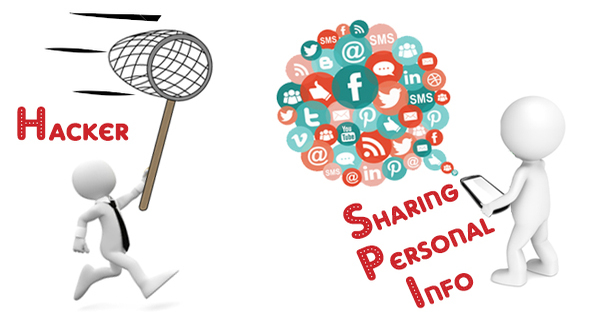
Sharing personal information online has become a common practice. We use social media to connect with friends and family, online shopping to make purchases, and various apps to access services. While the convenience of the internet has made our lives easier, it has also opened up new risks that we must be aware of. In this blog post, we will discuss the potential dangers of sharing personal information online and what you can do to protect yourself from them. Whether you’re a seasoned internet user or just starting to explore the online world, this information is essential to keep yourself safe and secure in the digital space.
The Risks of Sharing Personal Information Online: Identity Theft and Fraud
Identity theft and fraud are serious risks associated with sharing personal information online. Cybercriminals can use this information to steal your identity and commit fraud, which can have devastating consequences for your finances and reputation. Here are some common ways that identity theft and fraud can occur online:
- Phishing scams: These scams involve sending fraudulent emails or text messages that appear to be from legitimate sources, such as banks or government agencies, in an attempt to steal your personal information.
- Malware: Malware, or malicious software, can infect your computer or device and steal your personal information, such as passwords and credit card numbers.
- Social engineering: Social engineering involves manipulating people into revealing personal information through tactics such as impersonation or deception.
- Data breaches: Data breaches occur when hackers gain unauthorized access to a company’s database and steal personal information from customers.
To protect yourself from identity theft and fraud, there are several steps you can take. First, be cautious about sharing personal information online. Only provide sensitive information, such as your Social Security number or credit card details, to trusted and secure websites.
Second, use strong and unique passwords for each of your accounts and enable two-factor authentication whenever possible. This will make it more difficult for hackers to gain access to your accounts.
Third, keep your software and security systems up to date to protect against malware and other cyber threats.
Fourth, monitor your credit report regularly for any suspicious activity or unauthorized accounts. This will allow you to catch any fraudulent activity early and take action to prevent further damage.
Fifth, be wary of unsolicited emails, text messages, or phone calls asking for personal information. Always verify the identity of the sender or caller before providing any information.
Lastly, consider using a reputable identity theft protection service that can monitor your personal information and alert you to any suspicious activity. By taking these steps, you can minimize your risk of identity theft and fraud when sharing personal information online.
The Risks of Sharing Personal Information Online: Privacy Concerns and Data Breaches
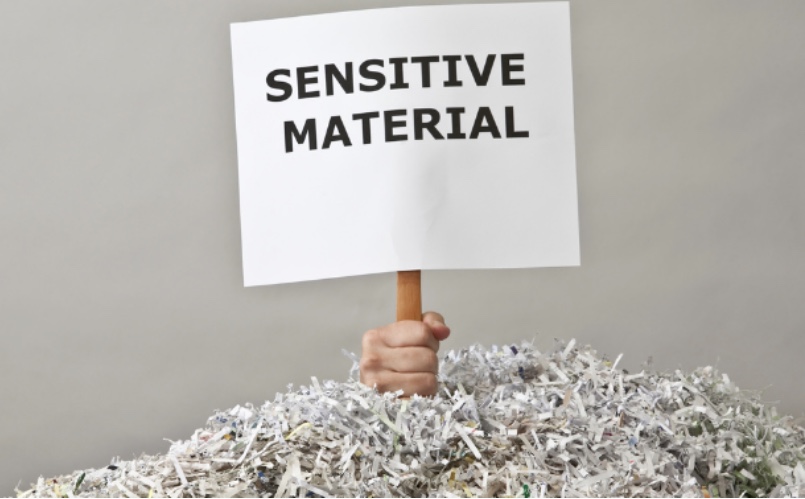
Privacy concerns and data breaches are major risks associated with sharing personal information online. Companies and organizations that collect personal information from customers or users have a responsibility to protect that information from unauthorized access, theft, or misuse. However, data breaches have become more frequent in recent years, exposing millions of people’s personal information. Here are some common types of data breaches:
- Hacking: This involves gaining unauthorized access to a company’s database or computer system to steal personal information.
- Insider breaches: This involves a company employee or contractor intentionally or accidentally exposing personal information.
- Phishing: This involves tricking users into providing their personal information through fraudulent emails or websites.
- Malware: This involves infecting a computer or device with malicious software that steals personal information.
Data breaches can have serious consequences for the individuals affected, including identity theft, financial loss, and damage to their reputation. To protect yourself from privacy concerns and data breaches, there are several steps you can take:
- Be cautious about sharing personal information online. Only provide sensitive information, such as your Social Security number or credit card details, to trusted and secure websites.
- Use strong and unique passwords for each of your accounts and enable two-factor authentication whenever possible.
- Monitor your credit report regularly for any suspicious activity or unauthorized accounts.
- Stay informed about data breaches and take action to protect yourself if your personal information has been exposed.
- Use privacy settings on social media and messaging apps to control who can see your posts and messages.
- Consider using a virtual private network (VPN) to encrypt your internet connection and protect your online activity from prying eyes.
By taking these steps, you can minimize your risk of privacy concerns and data breaches when sharing personal information online.
The Risks of Sharing Personal Information Online: Reputation Damage and Online Reputation Management
Reputation damage is another risk associated with sharing personal information online. What you post online, or what others post about you, can have a significant impact on your reputation, both personally and professionally. Online reputation management refers to the practice of monitoring and managing your online presence to maintain a positive image. Here are some common ways that personal information can damage your reputation:
- Inappropriate content: Posting or being tagged in inappropriate content, such as photos or videos of you engaging in illegal or offensive activities, can damage your reputation.
- Negative reviews: Negative reviews or comments about your business or personal life can harm your reputation and impact your success.
- Cyberbullying: As discussed earlier, cyberbullying and harassment can cause emotional distress and damage to your reputation.
- False information: False information or rumors about you can spread quickly online and damage your reputation, even if they are not true.
- Political or social views: Your political or social views can be polarizing, and expressing them online can cause others to form negative opinions about you.
- Poor online etiquette: Poor online etiquette, such as engaging in online arguments or attacking others, can damage your reputation and lead to negative perceptions about you.
To manage your online reputation, there are several steps you can take:
- Regularly monitor your online presence, including search results, social media profiles, and online reviews.
- Respond to negative reviews or comments in a professional and respectful manner.
- Be careful about what you post online and think about the potential consequences before sharing personal information.
- Use privacy settings on social media and messaging apps to control who can see your posts and messages.
- Engage in positive online activities, such as sharing helpful information or volunteering for a cause you care about.
- Consider hiring a professional reputation management company to help you monitor and manage your online presence.
The Risks of Sharing Personal Information Online: Targeted Advertising and Manipulation
Targeted advertising and manipulation are also significant risks associated with sharing personal information online. Companies collect and analyze personal data to create detailed profiles of individuals and then use this information to target ads and manipulate user behavior. Here are some common ways that targeted advertising and manipulation can occur:
- Behavioral tracking: Companies track your online behavior, such as the websites you visit and the ads you click on, to create a profile of your interests and preferences.
- Personalized ads: Companies use this profile to display personalized ads that are more likely to appeal to you.
- Social engineering: Companies use psychological techniques to influence your behavior, such as creating a sense of urgency to make a purchase.
- Data manipulation: Companies manipulate the presentation of data to influence your behavior, such as highlighting certain products or services over others.
- Misleading information: Companies may present misleading information to manipulate your behavior, such as false claims about the benefits of a product or service.
- Information overload: Companies bombard you with information to overwhelm you and influence your behavior.
To protect yourself from targeted advertising and manipulation, there are several steps you can take:
- Be aware of the personal information you are sharing online and the types of companies that collect and use this information.
- Use ad-blocking software to prevent companies from tracking your online behavior and displaying personalized ads.
- Be skeptical of ads and marketing claims and do your research before making a purchase.
- Limit the amount of personal information you share online, especially on social media.
- Be mindful of your online behavior and take breaks from social media and other online activities when necessary.
- Educate yourself about online privacy and data collection and support efforts to regulate and limit the collection and use of personal information by companies.
What is The Biggest Risk to Personal Data?
The most significant risk to personal data revolves around cybersecurity threats and the potential for data breaches. These threats encompass a wide range of malicious activities carried out by hackers, cybercriminals, and other nefarious actors. They continually refine and develop sophisticated techniques to infiltrate digital security systems, posing a constant challenge for individuals and organizations alike. Common forms of cyberattacks include phishing campaigns, malware distribution, ransomware attacks, and distributed denial-of-service (DDoS) incidents.
Data breaches, in particular, represent a significant peril. These breaches occur when unauthorized parties gain access to databases or networks, resulting in the exposure of sensitive personal information. Such breaches can transpire due to vulnerabilities in security systems, hacking attempts, or even insider threats from within an organization.
Failure to implement robust security measures is a contributing factor to this risk. Weak passwords, outdated software and systems, and inadequate data encryption can leave individuals and organizations vulnerable to attacks. Social engineering tactics, which involve manipulating individuals into revealing personal data through psychological manipulation and deception, are also commonly employed by cybercriminals.
Moreover, phishing attacks frequently target unsuspecting individuals, impersonating trusted entities via deceptive emails or websites to obtain sensitive information. Insider threats, where individuals within an organization misuse their access for personal gain or inadvertently compromise data, further compound the problem.
Third-party partnerships can introduce additional vulnerabilities, as data shared with these entities may be at risk if they experience a breach. In regions with lax data privacy regulations, organizations may not prioritize personal data protection, leaving individuals exposed.
The aggregation of personal data and the creation of comprehensive profiles by companies and data brokers raise concerns about the potential misuse or exposure of these profiles in breaches. Additionally, the growing interconnectedness of Internet of Things (IoT) devices introduces new entry points for cyberattacks, particularly when these devices lack adequate security measures.
Conclusion
In conclusion, sharing personal information online can pose significant risks, including identity theft and fraud, cyberbullying and harassment, privacy concerns and data breaches, reputation damage, targeted advertising, and manipulation. It is crucial to be aware of these risks and take steps to protect your personal information online.
By using strong passwords, enabling two-factor authentication, being cautious of public Wi-Fi, limiting the amount of personal information you share online, regularly monitoring your online presence, and educating yourself about online privacy and data collection, you can minimize the risk of these dangers.
Remember to always think before you post and consider the potential consequences of sharing personal information online. With these tips and a little caution, you can enjoy the benefits of the internet while keeping your personal information safe and secure.