
 Multiple Faces Detected


 February 18th, 2023
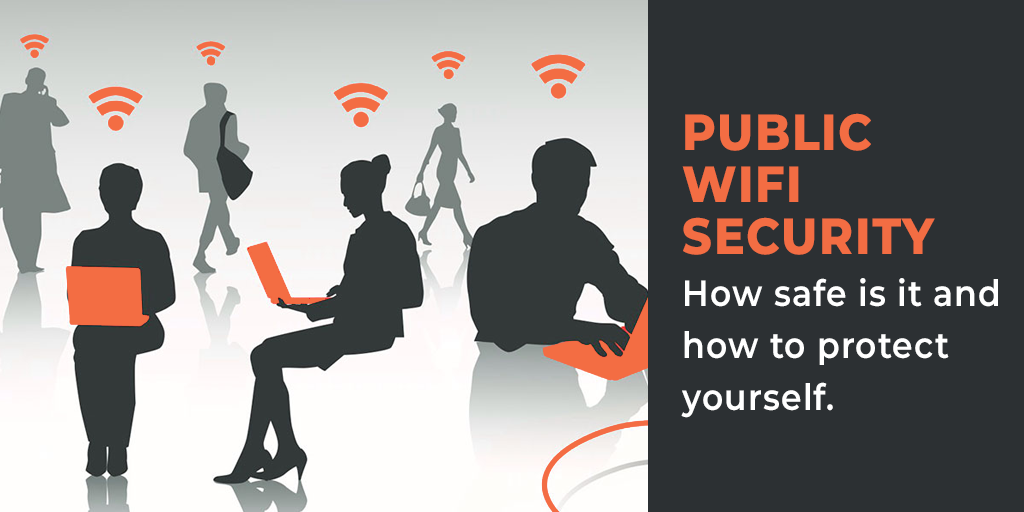
Public Wifi is everywhere, from cafes to airports to hotels, and it’s often free and easy to access. While the convenience of public Wifi is undeniable, it’s important to be aware of the risks that come with using these networks. Unsecured public Wifi networks can leave your personal information vulnerable to hackers, identity thieves, and other cybercriminals. In this blog post, we’ll discuss the risks of public Wi-Fi and share tips on how to protect your privacy and security while using these networks.
What is Free Public Wifi?
Free public Wifi is a wireless network that provides internet access to anyone who has a device with Wifi capability, such as a laptop, smartphone, or tablet. These networks are typically available in public places, such as cafes, airports, libraries, parks, and other public spaces. Free public Wifi is often provided by the venue or a third-party provider, and users can typically access the network without a password or authentication. While free public Wifi can be a convenient way to access the internet on the go, it’s important to be aware of the risks that come with using these networks, such as the potential for hackers to intercept your data and compromise your privacy and security.
Cons of Using Public Wifi?
While using public Wifi can be a convenient way to access the internet on the go, it comes with several risks and potential downsides. Here are some cons of using public Wifi:
- Security risks: Public Wifi networks are often unsecured, which means that your personal data and sensitive information, such as passwords and credit card numbers, can be intercepted by hackers and other cybercriminals.
- Privacy risks: When you use public Wifi, your online activity can be monitored and tracked by third parties, including the network provider and advertisers.
- Slow speeds: Public Wifi networks can be slow and congested, especially in busy areas, which can make it difficult to browse the internet or stream video content.
- Lack of reliability: Public Wifi networks can be unreliable and may suffer from outages or connectivity issues, which can be frustrating if you rely on the network for important tasks.
- Malware and viruses: Public Wifi networks can be a breeding ground for malware and viruses, which can infect your device and compromise your security and privacy.
It’s important to be aware of these risks and take steps to protect your privacy and security when using public Wifi.
What are Some of the Dos and Don’ts of Using Public Wifi?
Here are some dos and don’ts for using public Wifi:
Dos:
- A VPN encrypts your online activity and protects your data from prying eyes. It creates a secure tunnel between your device and the internet, keeping your online activity private.
- Try to connect to secured networks with passwords or other forms of authentication to ensure that your data is protected.
- If you’re browsing websites, look for SSL encryption (https:// in the URL) to ensure that your data is being transmitted securely.
- Make sure your device’s operating system and antivirus software are up to date to protect against vulnerabilities and malware.
- When possible, use two-factor authentication for online accounts to add an extra layer of security.
Don’ts:
- Avoid accessing sensitive information, such as online banking or shopping, while using public Wifi.
- Avoid using unsecured networks, as these networks can be easily intercepted by hackers and other cybercriminals.
- Turn off the auto-connect feature on your device, as this can connect you to insecure networks without your knowledge.
- Keep your device’s firewall enabled to prevent unauthorized access to your device.
- Keep an eye on your device and don’t leave it unattended in public places, as this can increase the risk of theft and unauthorized access.
Is it Safe to Use Unsecured Wifi in Hotels?
Using unsecured Wifi in hotels can pose a security risk, as these networks are often easily accessible by anyone in the vicinity, including hackers and cybercriminals. Unsecured hotel Wifi networks can leave your personal information and sensitive data vulnerable to interception and theft, which can compromise your privacy and security.
It’s also important to be cautious when connecting to hotel Wifi networks, as some attackers create fake Wifi hotspots that appear to be legitimate but are actually designed to steal your data. To avoid falling victim to these attacks, make sure you’re connecting to a legitimate hotel Wifi network and not a fake one.
Is it Safe to Use Public Wifi for Banking?
It is generally not safe to use public Wifi for banking, as these networks can be easily intercepted by hackers and other cybercriminals. Public Wifi networks are often unsecured, which means that your personal information and sensitive data, such as passwords and credit card numbers, can be intercepted and stolen.
When using public Wifi, it’s important to take precautions to protect your personal information and sensitive data. For example, you can use a Virtual Private Network (VPN) to encrypt your online activity and protect your data from prying eyes. However, even with a VPN, it’s still not recommended to access your bank account or other sensitive financial information on public Wifi.
To stay safe when banking online, it’s best to use a secure, private Wifi network or your mobile data network. If you must use public Wifi for banking, consider using your bank’s mobile app instead of a web browser, as many mobile banking apps use encryption to protect your data.
How to Protect Your Privacy and Security
To protect your privacy and security while using public Wifi, you can take the following steps:
Use a Virtual Private Network (VPN)
A VPN encrypts your online activity and protects your data from prying eyes. It creates a secure tunnel between your device and the internet, keeping your online activity private.
Look for secured networks
Try to connect to secured networks with passwords or other forms of authentication to ensure that your data is protected.
Check for SSL encryption
If you’re browsing websites, look for SSL encryption (https:// in the URL) to ensure that your data is being transmitted securely.
Keep your software up to date
Make sure your device’s operating system and antivirus software are up to date to protect against vulnerabilities and malware.
Use two-factor authentication
When possible, use two-factor authentication for online accounts to add an extra layer of security.
Avoid accessing sensitive information: Avoid accessing sensitive information, such as online banking or shopping, while using public Wifi.
Use a firewall: Keep your device’s firewall enabled to prevent unauthorized access to your device.
Avoid auto-connecting to Wifi
Turn off the auto-connect feature on your device, as this can connect you to insecure networks without your knowledge.
Be aware of your surroundings
Keep an eye on your device and be aware of your surroundings, as public Wifi can make you more vulnerable to physical theft or unauthorized access.
By following these tips, you can help protect your privacy and security while using public Wifi. It’s important to be aware of the risks of using public Wifi and take steps to minimize those risks whenever possible.