 Multiple Faces Detected


 September 2nd, 2022
The last thing you want to hear next to “credit card” is “fraud”. Unfortunately, for hundreds of thousands of consumers, credit card fraud is an unfortunate reality that rocks their world and ruins their credit. Are your credit cards safe? Have you ever been on the receiving end of credit card fraud or had someone accuse you of using their credit cards unlawfully? Let’s investigate how credit card information is breached, by whom, and how it is used.
What is Credit Card Fraud?
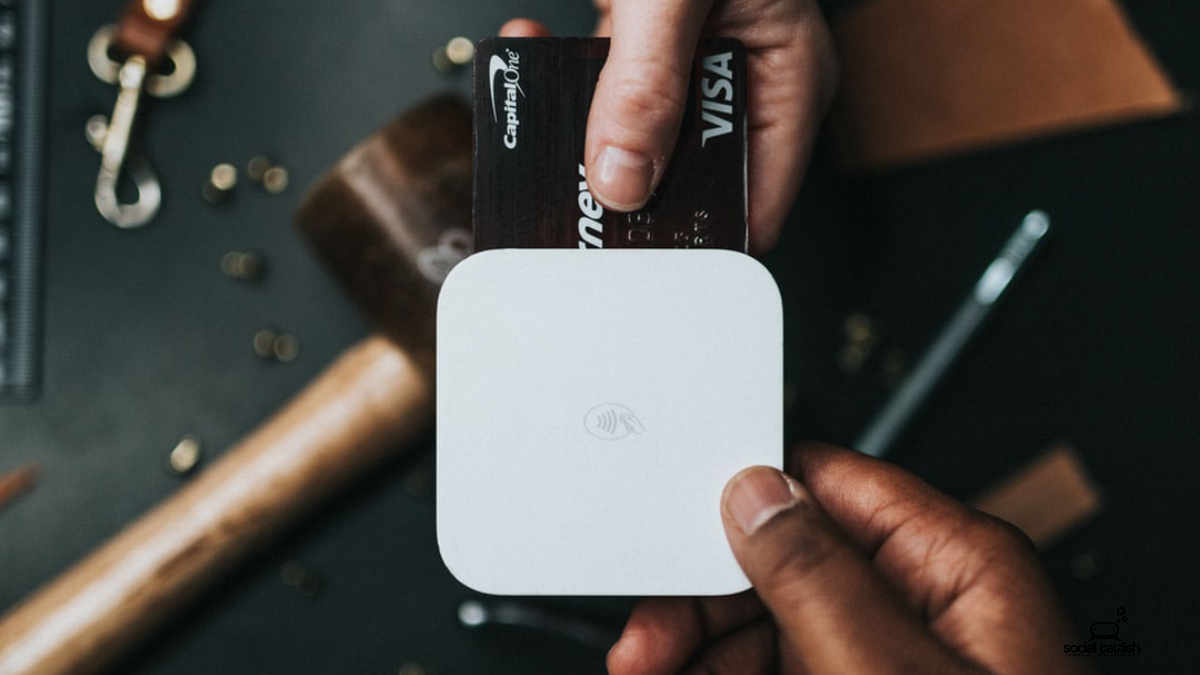
Credit card fraud is when any payment card is breached, stolen or used without permission. This could be your credit or debit card, or even having your Venmo or PayPal cards stolen and used. Stolen cards are typically used by a criminal to buy goods or services, or used to send or transfer and wire money to a criminal and their associates. Some credit card criminals work in crime rings and each play their role in locating, hacking/breaching, using, and sharing stolen credit card information. Their shared interest? Free goods and your money
Credit Card Fraud State by State Ranking
It’s not surprising that credit card theft often accompanies identity theft. According to the FTC, “The top 3 states for identity theft reports (per 100k of the population) are Georgia, Nevada, and California.” Even if you don’t live in one of the states where identity theft and credit card information are stolen more frequently, your credit cards are still at risk.
Just under half of the credit card fraud cases are from hacking (39% in 2018). Credit card manufacturers are attempting to combat credit fraud in our increasingly digital world, online shopping makes that process difficult.
In 2018, credit card fraud reports to the FTC reached just over 32k, with that specific type of fraud being 10% of reported fraud. In the time since, the number of credit card fraud cases has increased, as has consumer awareness and reports.
How to Avoid Credit Card Fraud
- Never share your credit card information over the phone or for purchases found through unsolicited emails or offers. These email or text offers might be phishing emails that steal your credit card details and use your money for theft.
- Check your credit score regularly and sign up for free credit monitoring. Not checking your credit card score could allow scammers to steal your information and you wouldn’t even realize it has occurred.
- Read through your credit card statements and check for unauthorized transactions. You might have recurring payments being charged that you aren’t even aware of.
- Be aware of your surroundings at the gas station or when dining. “Skimmers” machines that steal your information without you realizing it immediately. They might be attached to a gas station pay pump or done through a server at a restaurant- who scans and saves your card numbers.
- Use secure https connections and make sure you don’t access your financial accounts through shared, public Wi-Fi.
- Reverse search the email address and name of anyone you try and shop from online.
Conclusion
Although the goal is to avoid anyone breaching, phishing, or stealing your credit card information, there is no way to be 100% protected. Large company breaches may occur or your information might be exposed while you online shop. To find out more about you, scammers use the web and search you by name. Protect your personal information and perform a smart search on your full name, email address, phone number, username, and photograph (particularly your profile pictures). Remove any information from the web that you don’t want publicly accessible or available. Social Catfish can be used to protect your information and also to investigate the information of others who might be out to scam you! Search smart and private at Social Catfish.