
 Multiple Faces Detected


 February 14th, 2023
In today’s digital age, more and more of our personal information is stored and shared online. While this has made many aspects of our lives more convenient, it has also created new risks and challenges, including the threat of identity theft. Identity theft can result in serious financial and personal consequences, and it is important to take steps to protect your personal information when you are online. In this blog post, we’ll provide tips and strategies for keeping your personal information safe from identity theft scams online. From using strong passwords to being cautious of phishing scams, we’ll cover the best practices to help you safeguard your information and protect yourself from identity theft.
What is Identity Theft?
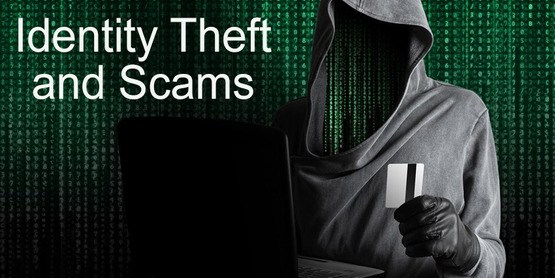
Identity theft is a type of fraud in which someone uses another person’s personal information, such as their name, Social Security number, or credit card number, without their permission, to commit fraudulent activities. Identity theft can have a significant impact on a victim’s financial stability, credit score, and reputation.
There are many ways in which an identity thief can obtain someone’s personal information, including:
- Stealing mail or wallets containing personal information
- Hacking into online accounts
- Phishing scams, in which an attacker tricks the victim into providing personal information
- Dumpster diving, in which the attacker searches through trash for personal information
- Skimming, in which an attacker uses a device to steal credit card information from a legitimate transaction
Once an identity thief has obtained someone’s personal information, they can use it to open new credit accounts, take out loans, apply for government benefits, and even commit crimes. Victims of identity theft may not realize they have been victimized until they receive bills for accounts they did not open, or their credit score is negatively impacted.
How You Can Protect Your Personal Online Information From These Types of Scams?
Protecting your personal online information is essential in order to avoid falling victim to scams. Here are some steps you can take to protect your personal information:
- Use strong, unique passwords: Use a different password for each of your accounts, and make sure that your passwords are complex, including a mix of letters, numbers, and symbols. Use a password manager to help you keep track of all your passwords.
- Use two-factor authentication: Two-factor authentication adds an extra layer of security to your accounts. It requires you to enter a code, which is sent to your phone, in addition to your password.
- Be cautious with links and downloads: Don’t click on links or download attachments from unknown sources. If you receive an unexpected email or message with a link or attachment, don’t open it until you have verified its source.
- Keep your software up to date: Keep your operating system, antivirus software, and other applications up to date to ensure that you have the latest security updates.
- Use a VPN: A virtual private network (VPN) can help protect your online privacy by encrypting your internet connection and hiding your IP address.
- Be cautious with personal information: Be careful with how much personal information you share online. Don’t give out your social security number, credit card information, or other sensitive information unless you are sure that you are dealing with a reputable company.
- Check your accounts regularly: Check your bank and credit card statements regularly to make sure that there are no unauthorized charges. If you notice anything suspicious, report it to your bank or credit card company right away.
By following these tips, you can help protect your personal online information and avoid falling victim to scams.
How Can I protect My Data From Identity Theft?
Identity theft is a serious issue that can result in financial losses, damage to your credit score, and the compromise of your personal information. One of the easiest ways for hackers to gain access to your data is by compromising your devices. Make sure that all your devices are secured with strong, unique passwords or passcodes, and enable biometric authentication if available. Install security software and keep it up to date, and be cautious about downloading apps from unknown sources.
Encryption is a method of converting data into a code that only authorized users can access. Use encryption for sensitive data such as financial records, tax documents, and medical records. Make sure that your backups and online storage are also encrypted.
Protecting your data from identity theft requires a multi-layered approach. By taking these steps, you can help prevent identity theft and keep your personal information safe.
How Can I Protect My SSN From Identity Theft?
Your social security number (SSN) is a critical piece of personal information that identity thieves can use to commit fraud, open credit accounts, and access financial accounts. Here are some steps you can take to protect your SSN from identity theft:
- Do not carry your Social Security card in your wallet or write your number on checks. Don’t give out your SSN unless it is absolutely necessary.
- Keep all documents that contain your SSN in a safe place, such as a locked filing cabinet or a safe. Shred any documents that you no longer need that contain your SSN or other personal information.
- Check your credit report regularly for any suspicious activity, such as new accounts that you didn’t open. You are entitled to a free credit report once a year from each of the three major credit bureaus. Consider setting up a fraud alert or credit freeze to prevent fraudulent accounts from being opened.
- Enable two-factor authentication for any accounts that contain your SSN, such as your bank or credit card accounts. This will add an extra layer of security to your accounts.
- Do not enter your SSN on unsecured websites or through unencrypted email. Only provide your SSN to trusted websites and only when absolutely necessary.
- Consider using a credit monitoring service that alerts you to any changes in your credit report or any suspicious activity.
How to Stop Identity Theft in Progress
If you suspect that you are a victim of identity theft, it is important to act quickly to stop the theft in progress and minimize the damage. Here are some steps you can take to stop identity theft:
Contact the three major credit bureaus
Contact Equifax, Experian, and TransUnion and request a fraud alert or credit freeze on your credit report. This will prevent anyone from opening new accounts in your name. Once you place a fraud alert, you can also request a free copy of your credit report from each of the bureaus to check for any unauthorized accounts.
Contact your financial institutions
Contact your bank, credit card company, and any other financial institutions where you have accounts and inform them of the suspected identity theft. They can freeze your accounts and help you monitor for any suspicious activity.
File a report with the Federal Trade Commission (FTC)
The FTC is the government agency that handles identity theft cases. You can file a report with them online or by phone.
Contact the police
File a report with the local police department or the police department where the theft occurred. This will create a record of the theft and may help with any future investigations.
Update your online accounts
If any of your online accounts have been compromised, update your passwords and enable two-factor authentication to prevent any further unauthorized access.
Monitor your accounts
Monitor your financial accounts and credit report regularly to ensure that there is no further fraudulent activity. Consider signing up for a credit monitoring service.
Be cautious with your personal information
Going forward, be cautious with your personal information and take steps to protect it from future theft.
How Much Information Does a Scammer Need to Steal Your Identity?
Identity theft is a serious and growing problem, and scammers use a variety of techniques to steal people’s personal information. The amount of information a scammer needs to steal your identity can vary depending on the specific type of scam or fraud they are attempting to perpetrate. However, in general, the more personal information a scammer has, the easier it is for them to steal your identity and commit fraud.
At a minimum, a scammer may only need your name, address, and Social Security number to commit identity theft. With this information, they may be able to open credit accounts, apply for loans, or even file tax returns in your name. Scammers may also use phishing scams or fake websites to trick you into providing additional information, such as your login credentials, bank account numbers, or credit card details.
In some cases, scammers may also use public records or data breaches to obtain more detailed information about you, such as your date of birth, driver’s license number, or medical history. The more information a scammer has, the more convincing their fraudulent activities can be.