Multiple Faces Detected


 February 19th, 2023
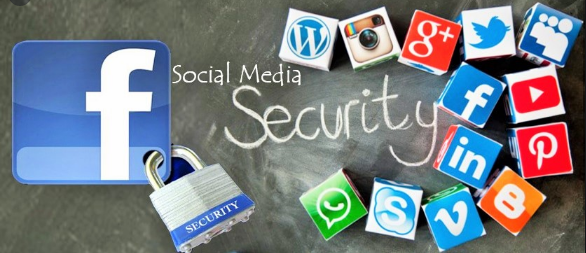
Social media has become an integral part of our daily lives, allowing us to connect with friends, family, and the world at large. However, with the rise of social media usage, there has also been an increase in cyber threats and attacks. Your personal information and sensitive data can be at risk if you do not take the necessary steps to secure your social media accounts. In this blog post, we will explore some practical and effective measures you can take to protect your personal information and secure your social media accounts. By following these tips, you can ensure that your online presence remains safe and secure, and you can enjoy the benefits of social media without worrying about the risks.
The Biggest Risk of Sharing Personal Information on Social Media
One of the biggest risks of sharing personal information on social media is the potential for identity theft. Identity theft is a type of fraud where someone uses your personal information, such as your name, address, social security number, or financial details, without your permission to commit crimes, open credit accounts, or make purchases.
When you share personal information on social media, you are essentially making it publicly available, and it can be easily accessed by anyone who has access to your profile. Hackers and identity thieves can use this information to impersonate you and carry out fraudulent activities in your name.
Another risk of sharing personal information on social media is the potential for cyberstalking or harassment. If you share too much information about your location, routines, or personal relationships, you may become a target of cyberstalkers or other online predators.
In addition, sharing personal information on social media can also have negative consequences for your personal and professional reputation. Employers, colleagues, and potential business partners may view your social media profiles, and anything you post or share online could impact their perception of you.
How Do You Protect Your Personal Information on Social Media?
Protecting your personal information on social media is crucial in today’s digital age. Here are some tips on how you can safeguard your personal information on social media:
- Limit the amount of personal information you share: Avoid sharing sensitive information such as your home address, phone number, social security number, or financial details on social media. Consider what information you are giving away when you post or comment on a public forum.
- Adjust your privacy settings: Social media platforms offer a range of privacy settings that you can adjust to control who can see your posts, photos, and personal information. Review these settings regularly to ensure that you are comfortable with the level of access that others have to your information.
- Be mindful of your friends and connections: Be careful when accepting friend requests or connections from people you do not know. Always verify the identity of the person before you accept their request.
- Use strong and unique passwords: Create strong and unique passwords for all your social media accounts. Never use the same password across different platforms.
- Enable two-factor authentication: Two-factor authentication provides an additional layer of security to your social media accounts. Enable this feature to make it harder for someone to gain unauthorized access to your account.
- Keep your software and apps up to date: Keep your social media apps and software up to date to ensure that you have the latest security patches and features.
How to Protect Your Social Media Accounts From Hackers
Protecting your social media accounts from hackers is essential to keep your personal information safe. Hackers can try to trick you into clicking on a malicious link or downloading malware through messages or emails. Be wary of suspicious links and messages from unknown or untrusted sources. Avoid using public Wi-Fi to access your social media accounts. Public Wi-Fi networks are often not secure and can be a target for hackers.
Which Piece of Information is Safest to Include on Your Social Media Profile
To reduce the risk of identity theft or other security threats, it’s best to limit the amount of personal information you include on your social media profile. While some information, such as your name and profile picture, are necessary to create an account, you should be cautious about sharing any additional personal information.
In general, information that is not sensitive and is commonly known or publicly available is considered safer to include on your social media profile. This might include your city or state of residence, your job title or industry, or your interests or hobbies. However, you should still exercise caution when sharing even this type of information, as it can still be used by hackers or identity thieves to target you.
It’s best to avoid sharing sensitive information on your social media profile, such as your home address, phone number, social security number, or financial details. Also, be wary of sharing any information that could be used to answer security questions or gain access to your other online accounts, such as your mother’s maiden name or your pet’s name.
In short, while it’s generally safe to share some basic information on your social media profile, it’s important to be mindful of the potential risks and exercise caution when deciding what information to include.
How Can You Protect Your Organization on Social Networking Sites
Protecting your organization on social networking sites is essential to prevent potential risks and threats to your business. Here are some tips on how to protect your organization on social networking sites:
- Create a social media policy for your organization that outlines guidelines for the use of social media by employees. This policy should include rules on what kind of information can be shared, how to handle negative feedback, and how to report any security incidents.
- Provide training and education to your employees on the best practices for using social media. This includes how to use social media safely and securely, how to protect confidential information, and how to respond to security incidents.
- Regularly monitor your organization’s social media accounts to ensure that they are being used in compliance with your social media policy. This will help you identify and address any potential security incidents or breaches.
- Use strong passwords and enable two-factor authentication for all social media accounts. This will help prevent unauthorized access to your accounts and protect your sensitive information.
- Limit the number of employees who have access to your organization’s social media accounts. This will reduce the risk of accidental or intentional misuse of the accounts.
- Be cautious when sharing information on social media and avoid sharing any confidential or sensitive information that could put your organization at risk.
Conduct Regular Audits
Conducting regular audits of your social media accounts is a critical part of protecting your personal and professional information online. Social media audits allow you to review your online presence and identify any potential security risks or privacy concerns. Here are some tips on conducting regular social media audits:
Review your privacy settings
Start by reviewing your privacy settings on each social media platform you use. Ensure that your settings are up-to-date and set to the highest level of privacy possible. Limit the visibility of your personal information to only those people who need to know it.
Review your friends/followers list
Review your friends/followers list and remove any individuals who you no longer interact with or who you do not recognize. This will help reduce the number of people who have access to your personal information and content.
Review your past posts
Take a look at your past posts and remove any that could be used to identify personal information. For example, remove any posts that include your home address, phone number, or other personal details.
Review your security settings
Check your security settings to ensure that your account is secure. Use two-factor authentication, strong passwords, and consider using a password manager.
Review third-party applications
Review the third-party applications that you have connected to your social media accounts. Remove any that are unnecessary or that you no longer use.
Use a Social Media Management Tool
A social media management tool is a software application that allows you to manage multiple social media accounts from a single platform. Using a social media management tool can help you to streamline your social media presence, save time, and improve your online security.
A social media management tool allows you to manage all of your social media accounts from a single platform. This saves time and makes it easier to manage your accounts and respond to messages and comments.
By using a social media management tool, you can reduce the risk of security breaches and hacking attempts. Many tools provide enhanced security features, such as two-factor authentication and SSL encryption, that can help keep your social media accounts safe.
Social media management tools typically offer scheduling and automation features, allowing you to plan and schedule posts in advance. This can save you time and ensure that your content is posted consistently.
Many social media management tools offer analytics and insights that can help you to track your social media performance and identify areas for improvement. These insights can help you to optimize your content and improve your social media strategy.
Many social media management tools offer collaboration features, allowing you to work with your team or clients to manage your social media accounts. This can help to improve communication and increase efficiency.