 Multiple Faces Detected


 February 16th, 2023
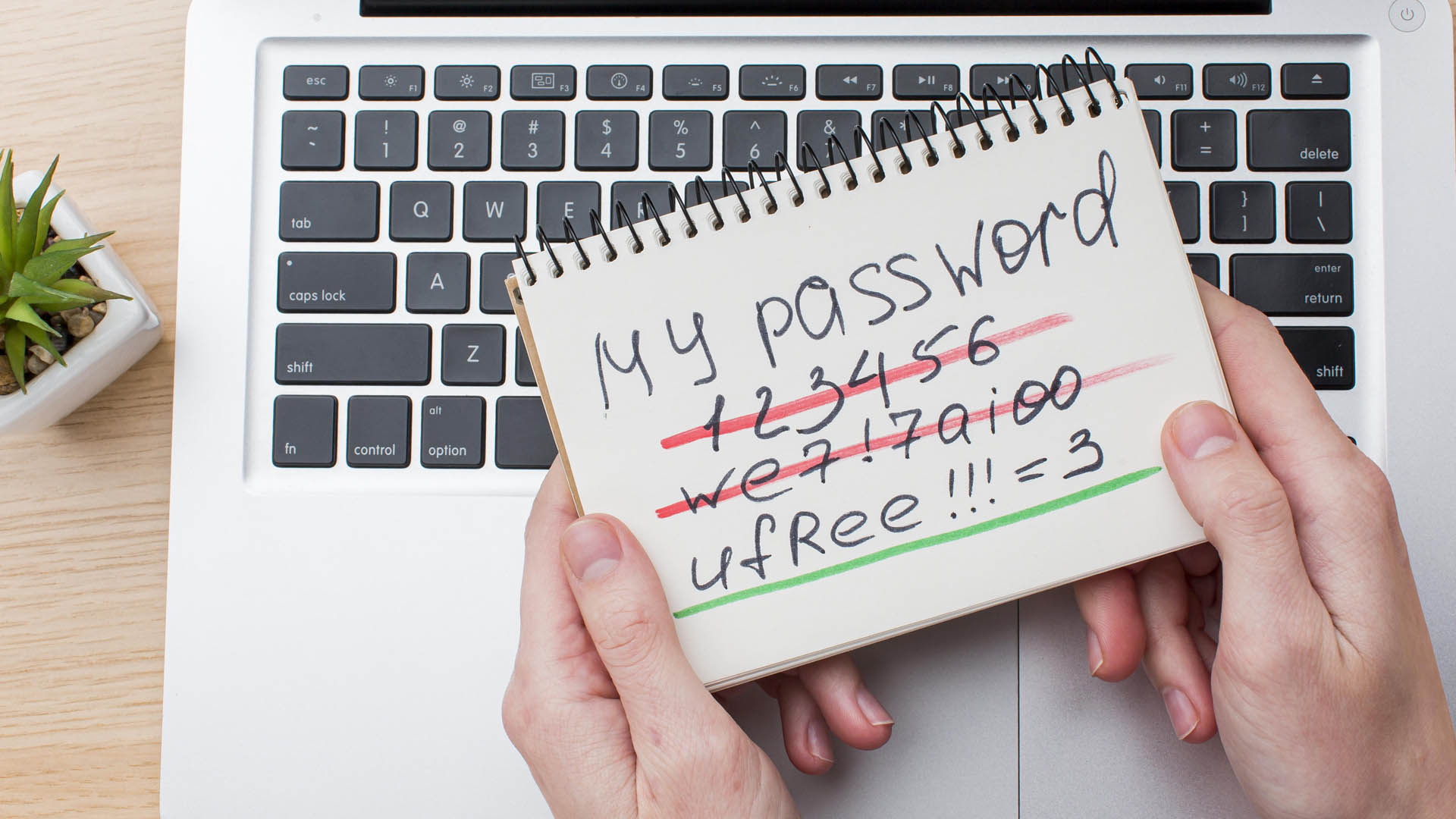
In today’s digital age, passwords are the keys to our online lives. We use them to access everything from social media accounts to online banking and shopping portals. With so much personal and sensitive information stored online, it’s crucial to ensure that our passwords are strong and secure. Unfortunately, many people still use weak and easily guessable passwords, making them vulnerable to hacking, identity theft, and other cyber threats. In this blog post, we’ll explore the importance of strong passwords, discuss the characteristics of a strong password, and provide tips for creating and managing strong passwords to keep your online accounts secure.
The Importance of Strong Passwords
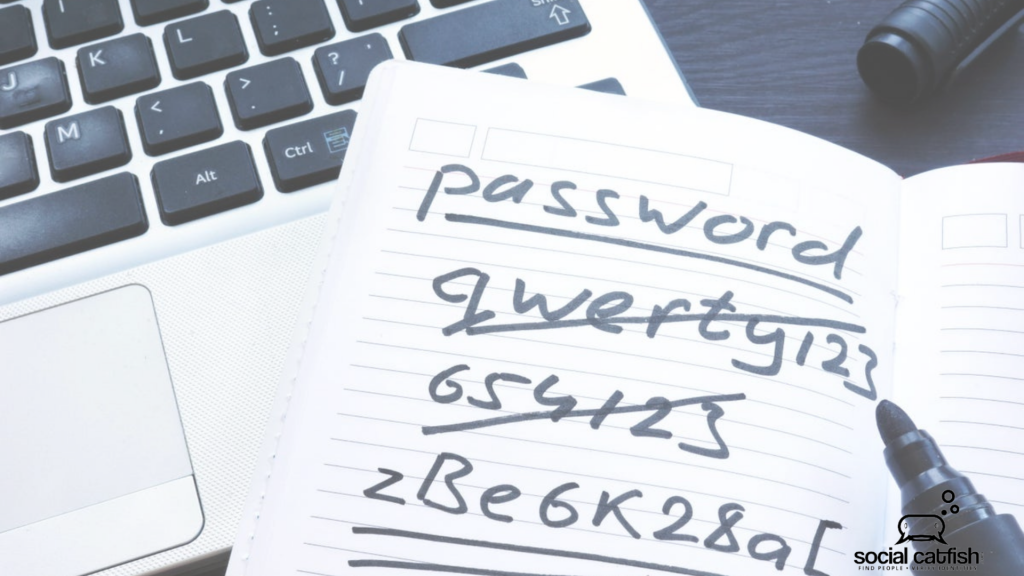
Strong passwords are essential for maintaining your online security and protecting your personal and sensitive information. Here are some reasons why strong passwords are so important:
Prevent Unauthorized Access
A strong password makes it harder for hackers to gain unauthorized access to your accounts. A weak or easily guessable password, on the other hand, can be easily cracked, giving hackers access to your personal and sensitive information.
Protect Sensitive Information
Strong passwords help protect sensitive information such as bank account details, credit card information, and personal documents. Without a strong password, this information can be accessed and misused.
Protect Your Reputation
If your password is compromised, hackers can gain access to your accounts and use them to send spam, viruses, and malware to your contacts. This can harm your reputation and lead to embarrassment or even legal trouble.
Compliance with Regulations
Certain industries and professions are required by law to use strong passwords to comply with regulations and standards related to data protection.
Peace of Mind
By using a strong password, you can have peace of mind knowing that your personal and sensitive information is protected and secure.
In summary, strong passwords are an essential component of online security. By using strong passwords, you can help protect your personal and sensitive information, prevent unauthorized access, and comply with regulations related to data protection.
The Dangers of Weak Passwords
Using weak passwords can put you at significant risk of cybercrime and data breaches. Here are some of the dangers of weak passwords:
- Easy to guess: Weak passwords that are based on common words, personal information or simple letter and number combinations are easy for hackers to guess. Once hackers guess your password, they can access your accounts and steal your sensitive information.
- Vulnerable to brute-force attacks: Brute-force attacks involve using automated software to try every possible combination of characters until they find your password. Weak passwords can be easily cracked by brute-force attacks, allowing hackers to access your accounts.
- Password reuse: Many people use the same password for multiple accounts, which can put all their accounts at risk if the password is compromised. If a hacker gains access to one account, they can use the same password to access other accounts that share the same password.
- Phishing scams: Weak passwords make it easier for hackers to trick you into giving them your password through phishing scams. These scams involve sending you an email or message that looks legitimate but asks you to provide your login credentials. If your password is weak, it is easier for hackers to guess or obtain your password through these scams.
- Malware attacks: If your password is weak, hackers can use malware to steal it from you. Malware is malicious software that can be installed on your computer or device without your knowledge, allowing hackers to record your keystrokes and steal your passwords.
To avoid these dangers, it’s crucial to use strong passwords that are difficult to guess or crack. Additionally, it’s important to use a different password for each account, and to change your passwords regularly. By doing so, you can significantly reduce your risk of falling victim to cybercrime or data breaches.
What is an Example of a Strong Password?
A strong password typically has a combination of uppercase and lowercase letters, numbers, and special characters. An example of a strong password might be “8L#hN2$!mK”. This password contains a mix of uppercase and lowercase letters, numbers, and special characters, making it difficult to guess or crack. It’s also relatively long, which adds an extra layer of security. However, it’s important to note that you should never use this exact password as your own, since it has been used as an example and could potentially be compromised. Instead, it’s best to create a unique and complex password that only you know.
5 Tips to Create a Strong Password
Here are five tips to create strong passwords:
- Use a mix of characters: A strong password should include a combination of uppercase and lowercase letters, numbers, and special characters. This makes it harder for someone to guess or crack your password.
- Make it long: The longer your password, the harder it is to crack. Aim for a password that is at least 12 characters long.
- Avoid personal information: Don’t use personal information such as your name, birthdate, or address in your password. Hackers can easily find this information online and use it to guess your password.
- Use a unique password for each account: It’s important to use a unique password for each account to prevent a data breach on one account from compromising your other accounts. Use a password manager if you have trouble remembering multiple passwords.
- Change your password regularly: It’s a good practice to change your password every few months. This reduces the risk of someone using an old password to access your account.
By following these tips, you can create a secure and strong passwords that protect your personal and sensitive information online.
Strong Password Checker
There are many online tools available that can help you check the strength of your password. Here are a few popular ones:
- The Password Meter is a free tool that analyzes the strength of your password and provides feedback on how to improve it. You can find it at https://www.passwordmeter.com/.
- How Secure Is My Password is another free online tool that checks the strength of your password and estimates how long it would take a computer to crack it. You can find it at https://howsecureismypassword.net/.
- Norton Password Generator is a tool that not only generates strong passwords for you but also checks the strength of your existing password. You can find it at https://identitysafe.norton.com/password-generator/.
These tools can be a helpful resource to evaluate your password strength and take steps to make your passwords stronger and more secure. However, always be careful when entering your password into a third-party website, and ensure that you’re using a trusted tool.
The Future of Password Security
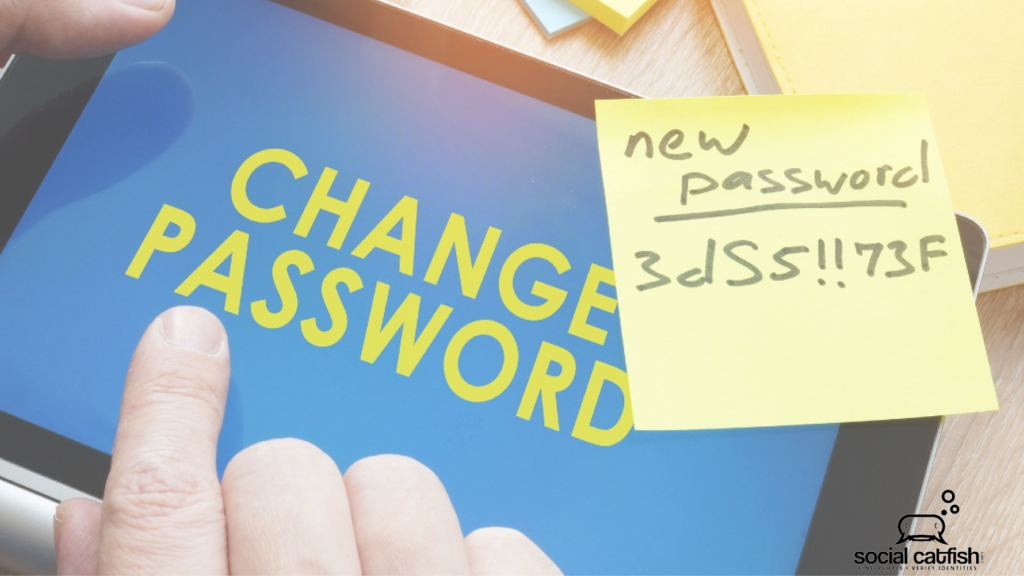
The future of password security is evolving rapidly, as new technologies and authentication methods are developed to better secure our online identities.
Biometric authentication uses unique physical or behavioral characteristics, such as fingerprints, facial recognition, or voice recognition, to verify your identity. This method is more secure than passwords, as biometric data cannot be easily replicated or stolen.
Passwordless authentication allows users to log in without the need for a traditional password. Instead, users are authenticated using factors such as biometrics, security keys, or one-time codes sent to their mobile devices.
Multi-factor authentication involves using more than one factor to verify your identity. This might include something you know (such as a password), something you have (such as a security token), or something you are (such as biometric data). Multi-factor authentication is more secure than single-factor authentication, as it adds an extra layer of security.
Risk-based authentication analyzes a range of factors, such as your location, device, and behavior, to determine the risk level of each login attempt. This approach can help detect and prevent fraudulent login attempts.
Machine learning and AI are being used to detect and respond to anomalous behavior on user accounts, which can help prevent unauthorized access and fraud.
As these technologies become more widespread, we may see a shift away from traditional passwords towards more secure, user-friendly authentication methods. This could help reduce the risk of data breaches and other types of cybercrime, while also making it easier for users to access their accounts securely.