 Multiple Faces Detected


 June 6th, 2023
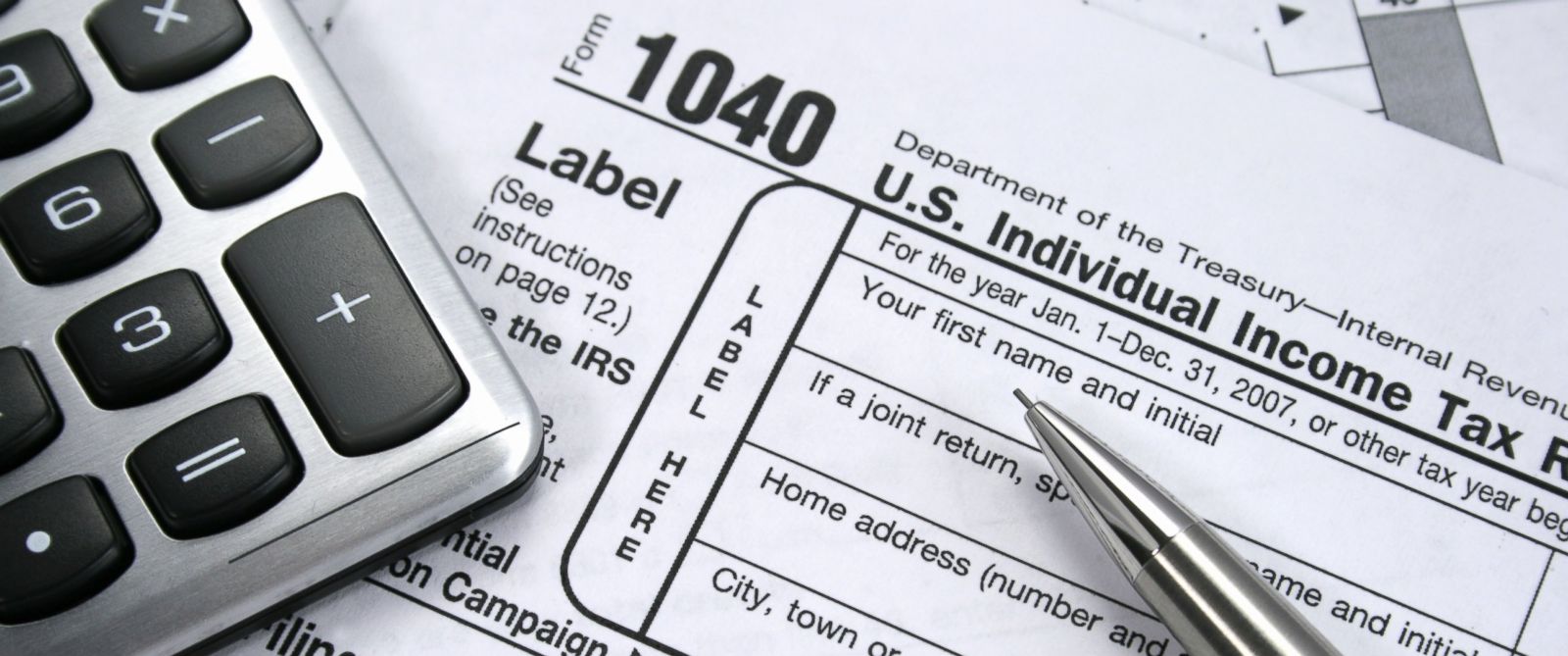
Tax season can be a stressful time for many individuals and businesses, but it also attracts the attention of fraudsters seeking to exploit unsuspecting taxpayers. With the rise of sophisticated scams and identity theft techniques, it has become increasingly important to stay vigilant and protect your personal and financial information from tax-related fraud. In this blog post, we will explore valuable tips and best practices to help you navigate the tax season safely. From recognizing common tax scams to implementing security measures, join us as we delve into the world of tax scams and discover how to safeguard your sensitive data.
Understanding Common Tax Scams: Recognizing the Red Flags
One of the most prevalent tax scams involves phishing emails and calls, where fraudsters pose as representatives from the Internal Revenue Service (IRS) or other tax authorities. They may request personal information, such as your Social Security number or bank account details, under the guise of resolving a tax issue. Be cautious of unsolicited emails or calls asking for sensitive information and never provide such information unless you can verify the legitimacy of the communication.
Scammers often target individuals expecting tax refunds. They may send fraudulent emails or make calls claiming to be from the IRS, promising a larger refund or requesting additional information to process the refund. Remember, the IRS will never contact you via email to request personal or financial information. Be wary of any unsolicited refund notifications and verify with the official IRS channels before taking any action.
Tax-related identity theft occurs when fraudsters use stolen personal information, such as Social Security numbers, to file fraudulent tax returns and claim refunds. Keep a close eye on any unexpected communications from the IRS, such as notices indicating multiple tax returns filed in your name. If you receive such notifications or suspect identity theft, report it to the IRS immediately and take necessary steps to protect your identity.
Be cautious when seeking assistance from tax preparers or tax filing services. Some fraudulent preparers may promise inflated deductions or credits to increase your refund amount. They might also encourage you to sign blank returns or charge exorbitant fees. Choose reputable tax professionals, check their credentials, and review your tax return carefully before signing or submitting it.
Scammers often take advantage of people’s generosity during tax season by creating fake charitable organizations. They may reach out via email, phone, or even door-to-door solicitations, urging you to make donations and promising tax deductions. Before donating, research the organization’s legitimacy, verify their tax-exempt status, and keep records of your contributions.
In recent years, ransomware attacks have targeted individuals and businesses during tax season. These attacks involve malicious software that encrypts your files and demands a ransom for their release. To avoid falling victim to such scams, ensure you have robust antivirus and cybersecurity measures in place. Regularly back up your important files, use secure networks, and be cautious of suspicious email attachments or downloads.
Safeguarding Your Personal Information: Best Practices for Data Protection
Safeguard physical documents containing sensitive tax information by storing them in a secure location, such as a locked filing cabinet or a safe. Keep your Social Security card, tax forms, and other related documents out of sight and reach of unauthorized individuals. When disposing of old tax documents, shred them thoroughly to prevent potential identity theft.
Create strong, unique passwords for your online tax accounts and any related financial platforms. Avoid using easily guessable information, such as your birthdate or a sequential series of numbers. Opt for a combination of letters, numbers, and special characters. Consider using a password manager to securely store and manage your passwords.
Add an extra layer of security to your online tax accounts by enabling multi-factor authentication. MFA requires an additional form of verification, such as a unique code sent to your mobile device, in addition to your password. This adds an extra barrier against unauthorized access to your tax-related information.
Avoid accessing or transmitting sensitive tax information when connected to public Wi-Fi networks, such as those in coffee shops or airports. These networks are often unsecured and can be easily compromised, allowing hackers to intercept your data. Instead, use a secure and private internet connection, such as a trusted home network or a virtual private network (VPN).
Stay vigilant against phishing attempts aimed at tricking you into revealing your personal or financial information. Be cautious of emails, text messages, or calls that claim to be from the IRS or tax authorities and request sensitive information. Legitimate organizations will not ask for such details via unsolicited communications. Verify the authenticity of any communication through official channels before providing any information.
Keep your computer, smartphone, and other devices updated with the latest operating system updates and security patches. Install reputable antivirus software and ensure it is regularly updated to protect against malware and other cyber threats. Regularly scan your devices for any potential vulnerabilities and remove any suspicious files or applications.
Staying Informed: How to Verify Legitimate Tax Communications
Know Official Communication Methods
Familiarize yourself with the official communication methods used by the tax authorities in your country. For example, in the United States, the Internal Revenue Service (IRS) primarily communicates through traditional mail. Understanding the preferred communication channels will help you identify potential scams or fraudulent attempts.
Verify Sender Identity
Be cautious of emails, text messages, or calls claiming to be from tax authorities. Verify the sender’s identity before responding or providing any personal information. Check for official email addresses or phone numbers associated with the tax agency. For example, the official IRS email domain is “@irs.gov.”
Authenticate Contact Information
When in doubt about the authenticity of a communication, independently verify the contact information of the tax authority. Use trusted sources, such as the official website or publicly available directories, to obtain the correct phone number or email address. Do not rely solely on information provided in suspicious communications.
Do Not Click on Links
Avoid clicking on links or downloading attachments in unsolicited tax-related communications. Fraudsters often use phishing techniques to trick individuals into visiting fake websites that resemble official tax authority portals. To ensure security, manually type the official website address into your browser or use bookmarked links.
Cross-Check Notice Details
If you receive a tax notice or letter, carefully review its content for any red flags. Pay attention to the language used, formatting inconsistencies, or unusual requests for personal information. Check for spelling errors or poor grammar, as legitimate tax communications are typically professionally written.
Contact Tax Authorities Directly
If you have concerns about a communication claiming to be from tax authorities, contact them directly using the official contact information available on their official website or in official documents. Provide them with the details of the suspicious communication and seek their guidance on its legitimacy.
Reporting and Responding to Tax Scams: Steps to Take if You Become a Victim
If you become a victim of a tax scam or suspect fraudulent activity, it is crucial to take immediate action. Here are the steps to follow when reporting and responding to tax scams:
- Contact the Tax Authorities: Report the scam to the appropriate tax authorities in your country. In the United States, you can contact the IRS by phone or through their official website. Provide them with detailed information about the scam, including any communication received and the actions taken by the fraudsters.
- File a Report with Law Enforcement: Report the incident to your local law enforcement agency or cybercrime unit. They can document the scam and initiate an investigation if necessary. Provide them with any evidence you have, such as emails, text messages, or bank statements related to the fraudulent activity.
- Notify Your Financial Institutions: If you suspect your financial information has been compromised, contact your bank or credit card issuer immediately. Inform them about the scam and follow their instructions for securing your accounts. They can help monitor your accounts for any suspicious activity and guide you on the appropriate steps to take.
- Place a Fraud Alert or Credit Freeze: Consider placing a fraud alert or credit freeze on your credit reports. A fraud alert notifies creditors to take extra precautions when verifying your identity, while a credit freeze restricts access to your credit reports, making it difficult for fraudsters to open new accounts in your name. Contact the major credit bureaus to initiate these protective measures.
- Update Your Security Measures: Review and strengthen your security measures to prevent future incidents. Change passwords for your online accounts, especially if you suspect they have been compromised. Enable multi-factor authentication whenever possible to add an extra layer of security. Regularly update your devices with the latest software and antivirus protections.
- Educate Yourself and Spread Awareness: Learn from the experience and educate yourself about common tax scams and fraud prevention measures. Share your story with friends, family, and colleagues to raise awareness and help others avoid falling victim to similar scams. Stay informed about the latest scam trends and share updates within your community.
Remember, taking swift action is crucial when responding to tax scams. By reporting the incident to the relevant authorities, securing your financial accounts, and raising awareness, you not only protect yourself but also contribute to the fight against tax fraud and help prevent others from becoming victims.