 Multiple Faces Detected


 May 17th, 2023
In today’s digital age, where social media platforms have become an integral part of our daily lives, safeguarding our privacy and protecting our personal information is of utmost importance. From sharing updates with friends and family to connecting with new acquaintances, social media offers a multitude of benefits. However, it also poses potential risks if not managed carefully. In this blog post, we will explore the best practices for safeguarding your social media privacy, empowering you to take control of your personal information and enjoy a safer online experience. By implementing these strategies, you can navigate the digital landscape with confidence, knowing that your privacy is protected.
Review and Adjust Privacy Settings: Taking Control of Your Social Media Profile
In today’s digital age, protecting your personal information on social media platforms is paramount. One of the most effective ways to safeguard your privacy is by reviewing and adjusting your privacy settings. By taking control of your social media profile, you can limit the amount of information visible to others and ensure that your personal data is only shared with trusted individuals. In this blog post, we will explore the importance of reviewing and adjusting privacy settings on social media platforms, as well as provide you with valuable tips on how to enhance your online privacy.
Firstly, it is crucial to familiarize yourself with the privacy settings offered by the social media platforms you use. Platforms like Facebook, Twitter, and Instagram provide a range of customizable privacy options that allow you to control who can see your posts, photos, and personal information. By accessing these settings, you can choose to make your profile private, restricting access to only approved connections, or adjust the visibility of specific content to different groups of people.
Secondly, consider limiting the amount of personal information you share on your social media profiles. It’s easy to get caught up in the excitement of sharing updates about your life, but oversharing can leave you vulnerable to privacy breaches. Review your profile information and ensure that you are only sharing necessary details. Avoid posting sensitive information such as your home address, phone number, or financial information. Remember, the less information available to the public, the better protected your privacy will be.
Next, take advantage of the option to review and approve tags and mentions on your social media posts. By enabling tag review, you can have more control over the content that appears on your profile. This feature allows you to review tags before they appear publicly, giving you the ability to remove any tags that you may not want associated with your profile. Similarly, the option to review and approve comments on your posts can help prevent unwanted interactions and maintain a positive and secure online environment.
Regularly auditing your friend or connection lists is another important step in taking control of your social media privacy. Review your list of friends or connections and consider removing individuals who you no longer have a relationship with or who you do not trust. It’s important to keep your network limited to people you know and trust, reducing the risk of unauthorized access to your personal information.
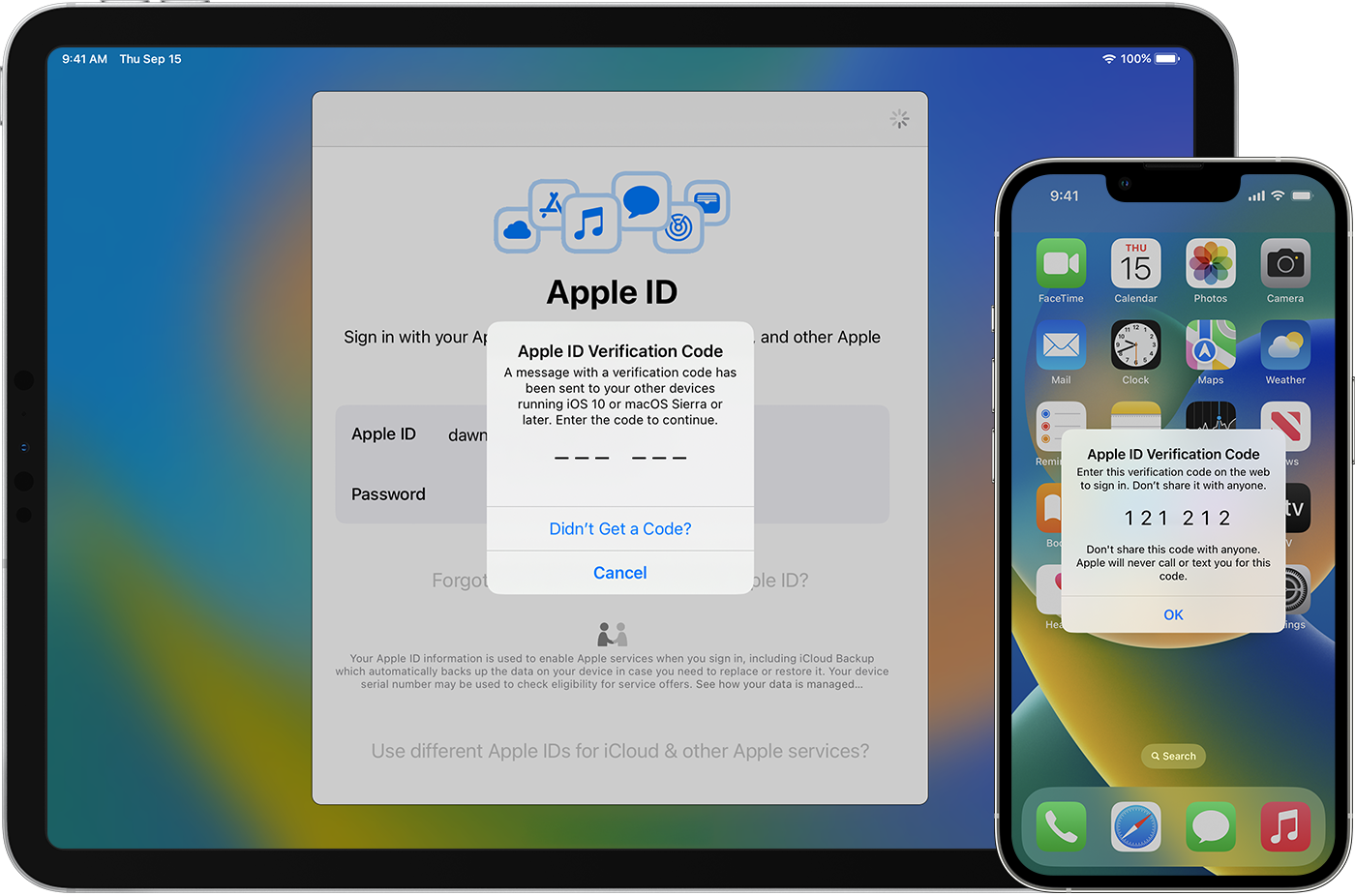
Furthermore, it’s worth exploring the additional privacy features offered by social media platforms. For instance, Facebook provides the option to enable two-factor authentication, adding an extra layer of security to your account. This feature requires you to provide a second form of verification, such as a code sent to your mobile device, in addition to your password when logging in. Enabling two-factor authentication can significantly enhance the security of your social media account.
Lastly, make it a habit to regularly review and update your privacy settings. Social media platforms often update their privacy features and settings, so it’s important to stay informed and adapt accordingly. Set aside time periodically to review your settings, ensuring they align with your desired level of privacy.
By reviewing and adjusting your privacy settings on social media platforms, you can take proactive steps to protect your personal information and maintain control over your online presence. Remember, safeguarding your social media privacy is an ongoing process, so stay vigilant and stay informed about the latest privacy features and best practices.
Think Before You Share: The Importance of Responsible Posting
It’s easy to share every moment of our lives on social media without much thought. However, it’s crucial to recognize the importance of responsible posting and consider the potential consequences before sharing any content. In this blog post, we’ll explore the significance of thinking before you share on social media platforms and provide you with valuable insights on how to practice responsible posting.
First and foremost, it’s essential to be mindful of the content you share and its potential impact on your personal and professional life. Remember that once something is posted online, it can be difficult to completely remove or control its dissemination. Even if you delete a post, it may have already been screenshotted or shared by others. Before hitting that “post” button, ask yourself if the content aligns with your values, beliefs, and personal brand. Consider the potential consequences and how it may be perceived by others.
Secondly, think about the privacy and safety implications of your posts. Avoid sharing sensitive information, such as your home address, phone number, or financial details. Be cautious when posting about your whereabouts or vacation plans, as it could potentially expose you to security risks. Additionally, think twice before posting photos or videos that involve others, ensuring that you have their consent and respect their privacy as well.
Responsible posting also involves being mindful of the potential impact on your relationships. Social media can sometimes be a breeding ground for misunderstandings and conflicts. Before posting something that may be controversial or offensive, consider how it may be perceived by your friends, family, or colleagues. It’s important to foster a respectful and inclusive online environment, where differing opinions can be shared constructively.
Furthermore, be cautious about oversharing personal details of your life. While social media can be a great platform for connecting with others and sharing experiences, it’s important to strike a balance. Avoid oversharing intimate aspects of your life that may leave you vulnerable or compromise your safety. Remember, you have control over what you choose to share, so prioritize your privacy and well-being.
Additionally, be aware of the potential impact of your posts on your professional life. Many employers and recruiters review candidates’ social media profiles as part of their evaluation process. Inappropriate or unprofessional content can have a negative impact on your professional reputation and potential job opportunities. Take the time to review your social media profiles and remove or adjust any content that may be inconsistent with your professional goals.
Lastly, consider the long-term implications of your posts. Social media is a digital archive that can leave a permanent footprint. Even if you delete a post, it may resurface through screenshots or archived versions. Be mindful that your online presence is a reflection of your identity, values, and character. Take pride in your digital footprint and ensure that it aligns with the image you want to project.
By practicing responsible posting, you can maintain a positive and respectful online presence while safeguarding your personal and professional reputation. Remember, each post has the potential to leave a lasting impression, so think before you share and use your social media platforms as a force for good.
Strengthen Your Passwords: Building a Strong Line of Defense
- Use a unique password for each social media platform: Avoid the temptation to reuse passwords across multiple accounts. By using a unique password for each platform, you minimize the risk of multiple accounts being compromised if one password is exposed.
- Create strong and complex passwords: Make sure your passwords are not easy to guess. Use a combination of uppercase and lowercase letters, numbers, and special characters. Avoid using common phrases or personal information that can be easily guessed.
- Use a password manager: Consider using a password manager tool to securely store and generate complex passwords. Password managers can help you keep track of your passwords and automatically fill them in when needed.
- Enable two-factor authentication: Two-factor authentication adds an extra layer of security by requiring an additional verification step, such as a unique code sent to your mobile device, when logging into your social media accounts. Enable this feature whenever possible to enhance the security of your accounts.
- Regularly update your passwords: Set a reminder to update your passwords periodically, ideally every few months. Regularly changing your passwords reduces the risk of unauthorized access to your accounts.
- Be cautious of phishing attempts: Be vigilant when it comes to phishing attempts, which are fraudulent attempts to obtain your login credentials. Avoid clicking on suspicious links or providing personal information in response to unsolicited emails or messages. Always verify the legitimacy of the source before sharing any sensitive information.
By following these best practices for password security, you can significantly enhance the protection of your social media accounts and reduce the risk of unauthorized access or data breaches. Remember, a strong line of defense starts with a strong password!
Beware of Phishing Attacks: Recognizing and Avoiding Social Media Scams
Be wary of suspicious messages
Pay attention to unsolicited messages, emails, or direct messages on social media platforms. Be cautious of requests for personal information, login credentials, or financial details. Legitimate organizations typically don’t ask for such information through unsolicited means.
Verify the source
Before clicking on any links or providing sensitive information, verify the legitimacy of the sender or the website. Check for signs of authenticity such as verified badges or official contact information. If in doubt, reach out to the organization directly through their official channels to confirm the legitimacy of the message.
Check for misspellings and suspicious URLs
Phishing attempts often use misspelled domain names or URLs that closely resemble legitimate websites. Scrutinize the URL carefully before entering any login credentials or personal information. Look for HTTPS encryption and ensure the website address matches the official domain.
Be cautious of urgency or fear tactics
Phishing emails often create a sense of urgency or fear to prompt immediate action. They may claim that your account is compromised, and you must take immediate action to avoid consequences. Take a moment to assess the situation calmly and critically before responding or providing any information.
Keep your software up to date
Regularly update your operating system, web browser, and security software to protect against known vulnerabilities. Software updates often include patches for security loopholes that phishers may exploit.
Educate yourself
Stay informed about the latest phishing techniques and scams. Familiarize yourself with common red flags and warning signs of phishing attempts. Share this knowledge with friends and family to help them stay protected as well.