 Multiple Faces Detected


 October 10th, 2023
The internet has made it easier than ever for people to share their thoughts and opinions with others through online forums and comment sections. While this can be a great way to connect with like-minded individuals and engage in meaningful discussions, it also comes with risks. Unfortunately, many people are unaware of the dangers of sharing personal information in these online spaces. From identity theft to cyberbullying, there are a multitude of ways that sharing personal information can put you at risk. In this blog post, we will explore some of the most significant dangers of sharing personal information in online forums and comment sections and provide tips for protecting your online privacy.
What are The Dangers of Sharing Personal Information Online?
Sharing personal information online can expose individuals to various dangers and risks. One significant concern is the potential for identity theft and fraud. When personal information, such as full names, addresses, or financial details, is shared online, it becomes accessible to cybercriminals who can misuse it for illegal activities. They may impersonate individuals, gain unauthorized access to accounts, or even engage in financial scams, leading to significant financial and emotional consequences.
Another danger is the potential for online harassment and stalking. When personal information is disclosed online, it can be exploited by individuals with malicious intent to harass, intimidate, or harm the person involved. Online forums and comment sections, which often allow anonymity, can become breeding grounds for cyberbullying and targeted harassment. The consequences can extend beyond the digital realm, impacting individuals’ mental well-being and even their physical safety.
Furthermore, the permanence of information on the internet poses a significant risk. Even if someone tries to remove their personal information from online platforms, search engines like Google continue to index and archive content. This means that once personal information is shared, it can remain accessible long after it has been deleted or removed from the original source. The inability to completely erase personal information can perpetuate the risks associated with sharing sensitive data online, leaving individuals vulnerable to privacy breaches and potential harm.
Identity Theft: How Sharing Personal Information can Put you at Risk of Financial Fraud and Other Types of Identity Theft
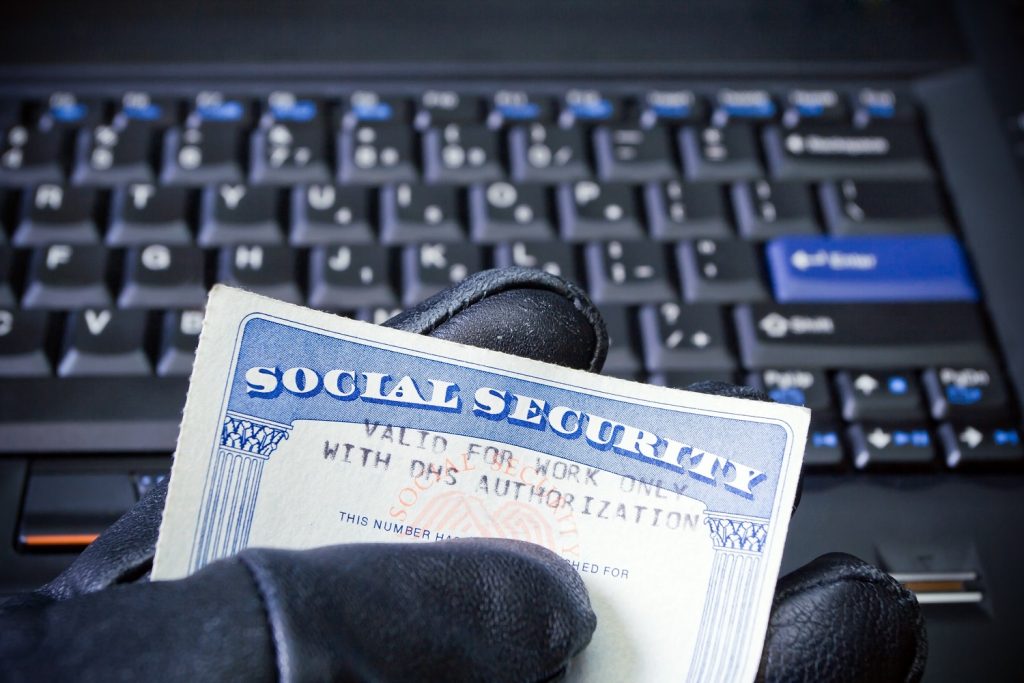
Identity theft is one of the most significant dangers of sharing personal information online. When you share information such as your full name, date of birth, address, or social security number, you are essentially giving away the keys to your identity. Identity thieves can use this information to open credit accounts, take out loans, and even commit crimes in your name.
One of the most common ways that identity thieves obtain personal information is through online forums and comment sections. Scammers may pose as legitimate users and ask for personal information under false pretenses. Alternatively, they may hack into forums and extract personal information from user profiles.
In addition to financial fraud, identity theft can also lead to other types of criminal activity. For example, identity thieves may use your personal information to create fake online profiles or email accounts, which they can then use to perpetrate scams or phishing attacks.
Even if you are careful about not sharing sensitive information like your social security number or credit card details, other pieces of personal information can also put you at risk of identity theft. For example, your full name and address can be used to conduct a search for your credit report or other personal information.
Cyberbullying and harassment: The Dangers of Sharing Personal Information in Comment Sections and Online Forums, and How it can Lead to Cyberbullying and Harassment
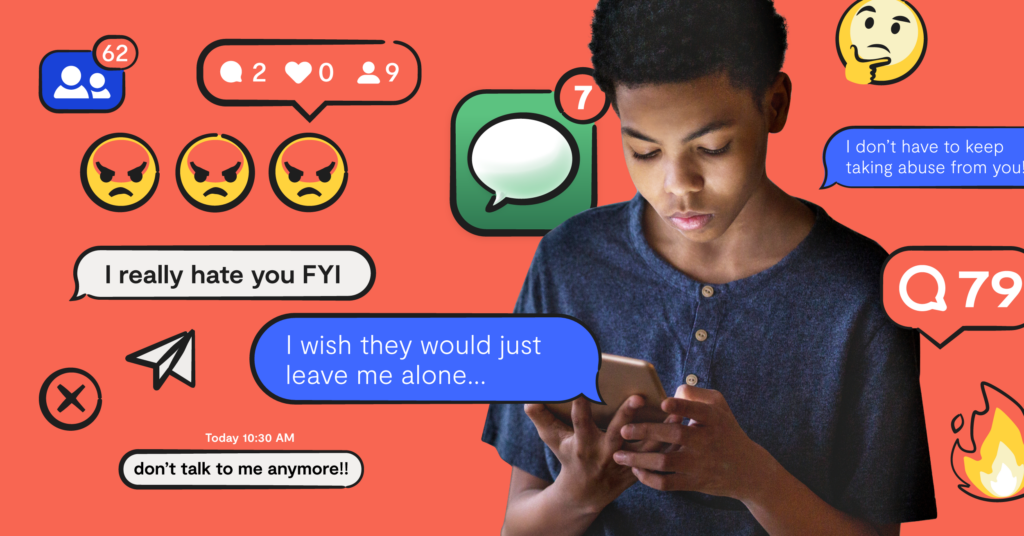
Cyberbullying and harassment are serious problems that can have devastating consequences for victims. When personal information is shared in online forums and comment sections, it can provide bullies with the ammunition they need to launch attacks on their targets.
One of the ways that cyberbullies use personal information is by doxxing their victims. This involves sharing personal information such as names, addresses, and phone numbers online in order to intimidate or harass the victim.
Additionally, cyberbullies may use personal information to make false accusations against their victims, spread rumors, or post humiliating photos or videos. The anonymity of online forums and comment sections can make it easier for bullies to carry out these attacks without fear of reprisal.
Victims of cyberbullying and harassment may suffer from a range of negative consequences, including anxiety, depression, and social isolation. In some cases, cyberbullying has even led to suicide.
Stalking and Doxxing: How Sharing Personal Information Online can Put you at Risk of being Stalked or Doxxed by Malicious Individuals
Stalking and doxxing are serious problems that can have devastating consequences for victims. When personal information is shared in online forums and comment sections, it can provide stalkers and doxxers with the information they need to track down their victims.
Stalkers may use personal information such as names, addresses, and phone numbers to follow their victims in real life. They may show up uninvited at their victim’s workplace or home, or send unwanted gifts or messages.
Doxxing, on the other hand, involves sharing personal information about a person with the intention of inciting harassment or other malicious behavior. This can include personal information such as addresses, phone numbers, and even family members’ names.
The anonymity of online forums and comment sections can make it easier for stalkers and doxxers to carry out their attacks without fear of reprisal. In some cases, they may even use fake profiles or identities to gain the trust of their victims or to hide their own identity.
Reputation Damage: How Sharing Personal Information Online can Lead to Damage to your Personal and Professional Reputation

Sharing personal information online can have serious consequences for your personal and professional reputation. Once information is online, it can be difficult to control how it is used or who has access to it.
Personal information such as photos, videos, or comments can be taken out of context or used to misrepresent you. This can lead to damage to your reputation, both in your personal and professional life.
Employers and potential employers often conduct online searches of job candidates. If personal information is available online that paints you in a negative light, it can harm your chances of being hired or even lead to termination of employment.
Similarly, personal information shared online can be used to damage personal relationships or social standing. Embarrassing photos or comments can be shared widely, leading to humiliation and social isolation.
Data breaches: The Risk of Sharing Personal Information in Online Forums and Comment Sections in Light of Recent High-Profile Data Breaches
In recent years, there have been numerous high-profile data breaches that have exposed the personal information of millions of people. When personal information is shared in online forums and comment sections, it can increase the risk of becoming a victim of these types of breaches.
Cybercriminals may use personal information such as usernames, email addresses, and passwords to gain access to other online accounts or financial information. This can lead to financial losses or identity theft.
The anonymity of online forums and comment sections can make it difficult to determine who has access to personal information. In some cases, individuals may even unknowingly provide personal information to scammers or hackers posing as legitimate sources.
Why is it Important to Keep Personal Information Private Online?
There are several compelling reasons why individuals should prioritize the protection of their sensitive data in the digital realm.
Firstly, personal information is highly valuable and can be exploited for malicious purposes. Cybercriminals actively seek out sensitive data, such as social security numbers, bank account details, or login credentials, to commit identity theft, financial fraud, or even gain unauthorized access to individuals’ online accounts. By keeping personal information private, individuals can mitigate the risk of falling victim to such criminal activities and protect their financial well-being and overall digital security.
Secondly, privacy is a fundamental right, and maintaining control over one’s personal information is crucial in preserving individual autonomy and freedom. The internet has the potential to be an intrusive space where personal data can be collected, analyzed, and potentially misused by various entities, including corporations, governments, or even malicious individuals. By safeguarding personal information and limiting its exposure, individuals can assert their right to privacy and retain a sense of control over their digital lives.
Keeping personal information private online is essential for maintaining trust and building secure relationships. Whether it’s engaging in online transactions, sharing information with healthcare providers, or connecting with others on social media platforms, trust forms the foundation of these interactions. By safeguarding sensitive data, individuals can establish and uphold trust, ensuring that their information is handled responsibly and with the utmost care by the parties involved.
Why Should We Avoid Sharing Personal Information on Social Media?
Avoiding the sharing of personal information on social media is crucial for several reasons:
- Sharing personal information like your full name, address, phone number, or financial details on social media can expose you to various privacy and security risks. Cybercriminals and identity thieves may use this information to commit fraud, impersonate you, or gain unauthorized access to your accounts.
- Oversharing personal information can lead to identity theft, where malicious actors steal your identity and use it for fraudulent purposes. This can result in financial losses, damage to your credit score, and legal troubles.
- Sharing too much personal information can make you vulnerable to online harassment or stalking. Individuals with malicious intent may use your information to track your movements, invade your privacy, or threaten your safety.
- Cybercriminals often use personal information shared on social media to craft convincing phishing emails or messages. When they have details about your life, interests, or contacts, they can create deceptive messages that are more likely to trick you into clicking on malicious links or revealing sensitive information.
- Social media platforms and third-party companies frequently collect user data to create targeted advertising campaigns. Sharing personal information can result in a barrage of personalized ads and can contribute to the commodification of your personal data.
- Inappropriate or controversial personal information shared on social media can damage your reputation, both personally and professionally. Employers, schools, and organizations often review social media profiles when considering applicants or employees, potentially impacting your future opportunities.
- Some social media platforms automatically tag your location when you post. Sharing your location in real-time can compromise your safety and privacy, especially if you’re not careful about who can see this information.
- Social media platforms can suffer data breaches where user information is exposed. Even if you’re cautious about what you share, your data could still be compromised if the platform itself is breached.
- Sharing personal photos, artwork, or creative content on social media may affect your ownership rights. Always be aware of the platform’s terms of service and copyright policies.
Tips for Protecting your Online Privacy: Practical Steps you can Take to Protect your Personal Information when Engaging in Online Forums
Here are some tips for protecting your online privacy:
- Be mindful of what personal information you share online. Avoid sharing sensitive information such as your home address, phone number, or financial information. Even seemingly harmless information such as your birthdate or the name of your pet can be used to gain access to other accounts or information.
- Use strong, unique passwords for each of your online accounts. Avoid using the same password across multiple accounts, and consider using a password manager to help generate and remember strong passwords.
- Enable two-factor authentication on all accounts that offer it. This provides an extra layer of security and helps prevent unauthorized access to your accounts.
- Be wary of phishing scams and other types of online fraud. Avoid clicking on suspicious links or downloading files from unknown sources, and never provide personal information in response to unsolicited emails or messages.
- Use a reputable virtual private network (VPN) when accessing the internet from public Wi-Fi networks or other unsecured connections. This can help protect your online activity from prying eyes.
- Regularly monitor your financial accounts and credit reports for suspicious activity. If you notice any unauthorized activity, contact your financial institution or credit bureau immediately.
By taking these steps, you can help protect your online privacy and reduce the risk of becoming a victim of cybercrime or online harm. Remember, your personal information is valuable and should be treated with care.