 Multiple Faces Detected


 August 24th, 2023
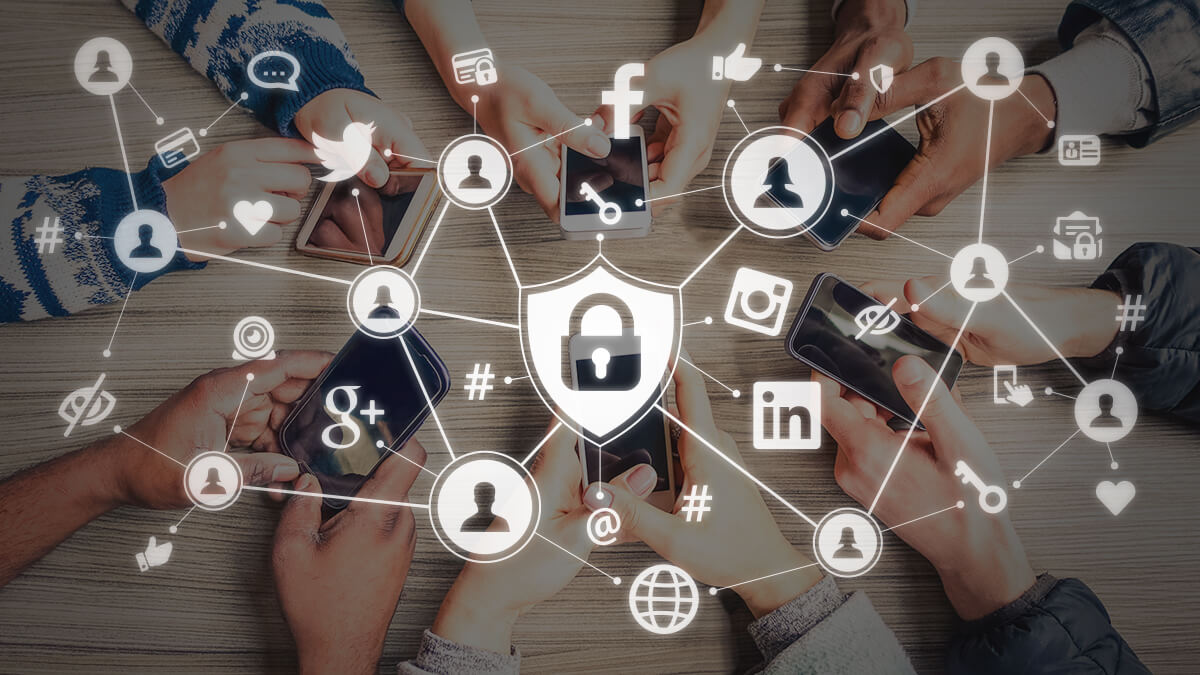
In an era where social media has become an integral part of staying connected and engaged, seniors are embracing these platforms to connect with loved ones, share experiences, and explore new interests. However, as seniors embark on their social media journey, it’s crucial to prioritize their privacy and security. Navigating the intricacies of social media privacy settings and safeguarding personal data is essential to ensure a positive online experience. In this blog post, we delve into the world of social media privacy for seniors, providing valuable insights and practical tips to help them effectively manage their digital footprint while enjoying the benefits of social networking.
Understanding the Importance of Social Media Privacy: Delving into the Digital Footprint
In today’s interconnected digital age, social media has become an integral part of our lives, enabling us to connect, share, and engage with others like never before. For seniors, social media can provide a wonderful platform to stay in touch with loved ones, reconnect with old friends, and explore new interests. However, this digital realm comes with its own set of challenges, especially when it comes to privacy. Understanding the importance of social media privacy is crucial for seniors to navigate this dynamic landscape safely.
Your digital footprint is the trail of data you leave behind as you interact with the online world. Every post, photo, comment, and interaction contributes to your digital presence, shaping how you are perceived by others and potentially revealing personal information. Seniors, like anyone else, generate a digital footprint through their social media activities. This footprint can extend to information about your daily routines, travel plans, personal preferences, and even sensitive details if not managed carefully.
Maintaining control over your digital footprint is essential to protect your personal information and ensure your online interactions align with your privacy preferences. While social media platforms offer varying levels of privacy settings, it’s crucial for seniors to be aware of how these settings work and how to customize them according to their comfort levels. By understanding the implications of sharing information openly or restricting access to certain posts, seniors can make informed decisions about what to share and with whom.
The digital footprint also plays a significant role in safeguarding your online reputation. Potential employers, friends, family members, and even scammers can access your social media profiles to gather information about you. Seniors need to be cautious about what they share, keeping in mind that the internet has a long memory, and once something is posted, it can be challenging to completely erase it. By comprehending the far-reaching impact of their digital footprint, seniors can make more conscious choices about the content they post and how they engage on social media platforms.
In the following sections of this blog post, we will explore how seniors can effectively manage their social media privacy by navigating privacy settings, implementing practical tips, and utilizing educational resources. By taking control of their digital footprint and understanding the significance of social media privacy, seniors can continue to enjoy the benefits of online connection while protecting their personal information.
Exploring Privacy Settings on Popular Platforms: A Guide for Seniors
As seniors venture into the realm of social media, one of the first lines of defense against potential privacy risks is the array of privacy settings offered by popular platforms. Each social media platform provides a range of options to control who sees your posts, personal information, and interactions. Exploring and understanding these settings is a fundamental step in safeguarding your online privacy.
Facebook, for instance, offers a comprehensive set of privacy controls that allow you to customize the visibility of your posts, profile information, and friend list. You can adjust settings to restrict access to your posts to only your friends or a selected group, ensuring that your updates are shared only with those you trust. Instagram, another widely used platform, provides options to make your account private, requiring approval for anyone who wants to follow you and view your content.
Twitter allows users to protect their tweets, limiting their visibility to approved followers. This can be particularly useful for seniors who prefer to keep their interactions within a smaller circle of friends and family. Similarly, LinkedIn offers privacy controls that let you determine who can view your professional information and connections. By taking advantage of these settings, seniors can share their expertise and network while maintaining a level of privacy.
For seniors who enjoy photo sharing, platforms like Snapchat and Pinterest also offer privacy features. Snapchat allows you to customize who can see your snaps and location, while Pinterest allows you to set your boards as private or public, controlling who can access your collections of images and ideas.
As seniors explore each platform’s privacy settings, it’s essential to take a proactive approach and regularly review and update these settings as needed. New features and changes in privacy policies can impact your online security, so staying informed and adapting your settings accordingly is crucial. By delving into the privacy options provided by popular platforms, seniors can confidently tailor their online presence to their comfort levels and interact with a sense of control and security.
Practical Tips for Safeguarding Personal Data: Navigating the Social Media Landscape
Seniors, in particular, should be equipped with practical tips to ensure their online interactions are both enjoyable and secure. Let’s explore a range of measures that seniors can take to protect their personal information and maintain a safe online presence.
- Strong Passwords and Two-Factor Authentication: Begin with a solid foundation by creating strong, unique passwords for your social media accounts. Incorporate a combination of letters, numbers, and symbols. Additionally, enable two-factor authentication (2FA) whenever possible. This extra layer of security ensures that even if your password is compromised, a code sent to your phone or email will be required for login.
- Regular Privacy Checkups: Make it a habit to conduct regular privacy checkups on your social media accounts. Review your privacy settings and ensure they align with your comfort level. Limit the amount of personal information visible to the public, such as your birthdate, address, and phone number. Be cautious about sharing sensitive details that could be used maliciously.
- Think Before You Share: Exercise caution when sharing personal updates, photos, and information online. While it’s natural to want to connect with friends and family, avoid oversharing. Remember that once something is posted, it can be challenging to control who sees it and how it might be used.
- Accept Friend Requests Wisely: Be discerning when accepting friend requests or connections. While it’s enjoyable to reconnect with old acquaintances and make new friends, ensure that you are adding people you genuinely know and trust. Fake profiles and scammers often use friend requests as a way to gain access to personal information.
- Educate Yourself About Scams: Stay informed about common online scams and tactics used by cybercriminals. Be cautious of unsolicited messages, especially those asking for money or sensitive information. If something seems too good to be true, it likely is.
- Regularly Update Software: Keep your device’s operating system, apps, and antivirus software up to date. Software updates often include security patches that protect against known vulnerabilities. Regular updates help ensure that your device is equipped to defend against cyber threats.
Educational Resources and Support: Empowering Seniors to Take Control of Their Privacy
Empowering seniors to take control of their privacy on social media involves providing them with educational resources and support tailored to their needs. As seniors navigate the intricacies of the digital world, it’s important to equip them with the knowledge and tools to make informed decisions about their online presence. Here are some valuable resources and support options that can help seniors enhance their privacy on social media:
- Host workshops and webinars specifically focused on social media privacy for seniors. These sessions can cover topics such as understanding privacy settings, recognizing potential risks, and practicing safe online behavior. Experienced facilitators can guide seniors through practical demonstrations and answer their questions.
- Create user-friendly online tutorials and guides that seniors can access at their convenience. These resources should walk them through step-by-step instructions on adjusting privacy settings, managing friend requests, and identifying suspicious activity. Clear visuals and straightforward language can make these resources more accessible.
- Offer one-on-one assistance to seniors who may prefer personalized guidance. Trained volunteers or tech-savvy individuals can sit down with seniors, either virtually or in person, to help them set up privacy preferences, install security software, and address any concerns they might have.
- Some social media platforms offer senior-friendly versions or features that prioritize user privacy. Explore these options and recommend platforms that have user-friendly interfaces and comprehensive privacy controls suitable for seniors.
- Collaborate with local community centers, senior centers, or libraries to organize privacy-focused workshops. These events provide seniors with an opportunity to learn from experts, share experiences with peers, and build a stronger sense of digital community.
- Establish a helpline or hotline dedicated to assisting seniors with their online privacy queries. Trained professionals or volunteers can provide guidance, answer questions, and offer immediate support when seniors encounter privacy-related challenges.
- Distribute informative pamphlets, brochures, or digital handouts that seniors can keep as quick references. These materials can cover essential privacy tips, warning signs of scams, and steps to take if they suspect their privacy has been compromised.
- Partner with local law enforcement agencies, cybersecurity firms, or advocacy groups to organize workshops specifically focused on social media safety. These workshops can delve into broader cybersecurity topics while emphasizing the importance of safeguarding personal information.
- Create online discussion groups or forums where seniors can share their experiences, ask questions, and offer advice to one another. Peer support is invaluable, as seniors can learn from real-life scenarios and collectively enhance their privacy awareness.
- Keep seniors informed about the latest trends, security updates, and best practices through regular newsletters or email updates. These communications can serve as a reminder to stay vigilant and make the most of available privacy features.