

 Multiple Faces Detected



 February 8th, 2023
In today’s digital age, there are certain types of online scams that have become more prevalent and sophisticated. From phishing scams to investment frauds, scammers are always finding new ways to trick unsuspecting victims into giving away their personal and financial information. As a result, it’s important to stay informed and vigilant about the latest scams and how to avoid them. In this blog post, we’ll take a look at some of the most common types of online scams and provide tips on how to protect yourself from becoming a victim.
Types of Online Scams: Phishing Scams
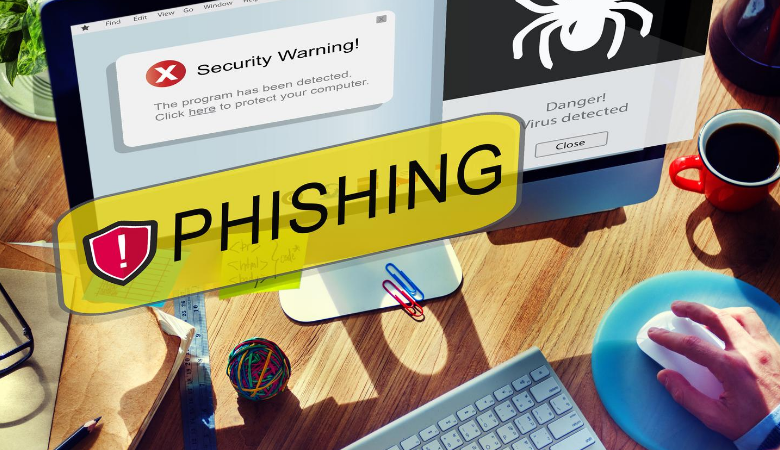
Phishing scams are a type of online fraud that involves tricking individuals into providing sensitive information such as passwords, credit card numbers, and other personal details. Scammers typically use email, text messages, or fake websites that mimic well-known brands to deceive victims.
In a typical phishing scam, the attacker will send an email or message that appears to be from a reputable source, such as a bank, social media site, or online retailer. The message may ask the recipient to click on a link or provide personal information, and may include urgency or fear tactics to convince the recipient to act quickly.
If a person falls for a phishing scam, they may end up giving away their personal information to the attacker. This information can then be used for identity theft, financial fraud, or other malicious purposes. In addition, phishing scams can also result in the installation of malware on the victim’s device, which can compromise their data and privacy.
To avoid falling for a phishing scam, it is important to be cautious when receiving emails or messages that ask for personal information. Always verify the sender’s identity, check the website’s URL carefully, and never enter personal information on a website that is not secure. Additionally, it’s important to keep anti-virus software updated, and to never download attachments or click links from unknown sources.
The warning signs of these scams are the sender’s email address may be slightly different from the legitimate source, the message may contain spelling or grammar errors, and the website may not have a secure connection. Always be on the lookout for these signs and err on the side of caution when in doubt.
If you believe you have received a phishing email or message, it’s important to report it to the proper authorities. You can typically report phishing scams to the Federal Trade Commission (FTC) or the Anti-Phishing Working Group (APWG). Many banks and social media sites have reporting mechanisms in place to help prevent phishing scams from spreading.
Types of Online Scams: Tech Support Scams
Tech support scams are fraudulent schemes in which individuals posing as technical support representatives contact consumers and trick them into paying for unnecessary or worthless services. They may call, send pop-up messages, or direct victims to a fake website, where they are prompted to provide sensitive information or to download malware.
In a typical tech support scam, the attacker will contact the victim and claim that their computer is infected with a virus or has other technical issues. They will then try to convince the victim to pay for technical support services, which may include installing malware, downloading unnecessary software, or providing sensitive information.
The biggest risk of tech support scams is the loss of money. Victims may end up paying hundreds or even thousands of dollars for worthless services. In addition, tech support scams can also compromise the security of victims’ devices, putting their sensitive information and personal data at risk.
To avoid falling for a tech support scam, it’s important to be wary of unsolicited technical support calls or messages. Never provide sensitive information to unsolicited callers, and never install software or download attachments from unknown sources. Additionally, it’s important to keep your software and anti-virus programs up-to-date and to regularly back up your data.
There are several red flags that can indicate a tech support scam. For example, unsolicited calls or messages from individuals claiming to be technical support representatives, requests for sensitive information or payment, and high-pressure sales tactics are all warning signs. Always be on the lookout for these signs, and err on the side of caution when in doubt.
You can typically report tech support scams to the Federal Trade Commission (FTC) or the Internet Crime Complaint Center (IC3). Additionally, you can also alert your bank or credit card company if you have provided payment information, to help prevent unauthorized transactions.
Types of Online Scams: Online Shopping Scams
Online shopping scams are fraudulent schemes in which individuals posing as legitimate online retailers trick consumers into buying fake or worthless products. They may also steal payment information or personal data during the transaction. These scams can occur on any online platform, including e-commerce websites, social media, and online marketplaces.
Online shopping scams can take many forms, including fake websites, phishing scams, and fake ads. The perpetrators of these scams often use fake or misleading information about the products or services they offer, such as low prices or limited-time offers, to lure victims into making a purchase. They may also use sophisticated tactics to steal payment information or personal data during the transaction.
The biggest risk of online shopping scams is the loss of money. Victims may end up paying for fake or worthless products, or they may become the victim of identity theft if their payment information or personal data is stolen. In addition, online shopping scams can also cause emotional and psychological harm, as victims may feel frustrated or embarrassed about being scammed.
To avoid falling for an online shopping scam, it’s important to thoroughly research any online retailer or product before making a purchase. Check for reviews and ratings from other consumers, and verify the credibility of the retailer by checking its website, business information, and privacy policy. Additionally, always use secure payment methods, such as credit cards or PayPal, to reduce the risk of payment fraud.
The red flags consist of low prices that are too good to be true, requests for payment through unconventional methods, and fake or misleading product information are all warning signs. Be wary of unsolicited offers, and always be cautious when dealing with online retailers or products that you are not familiar with.
These scams can be reported to the Federal Trade Commission (FTC) or the Internet Crime Complaint Center (IC3). By reporting online shopping scams, you can help protect others from falling victim and bring the perpetrators to justice.
Types of Online Scams: Lottery and Prize Scams
Lottery and prize scams are fraudulent schemes in which individuals posing as representatives of a lottery or prize company trick consumers into paying fees or taxes in order to receive a fake prize. These scams often use fake or misleading information about the prize, such as a large sum of money or a luxurious vacation, to convince victims to pay the fees or taxes.
Lottery and prize scams typically involve unsolicited phone calls, emails, or letters informing the victim that they have won a large sum of money or a valuable prize. The scammer will then ask the victim to pay fees or taxes in order to receive the prize, and may also request sensitive information, such as banking information or social security numbers.
The biggest risk of lottery and prize scams is the loss of money. Victims may end up paying hundreds or even thousands of dollars in fees or taxes, only to find out that the prize is fake. In addition, lottery and prize scams can also compromise the security of victims’ sensitive information, putting them at risk of identity theft or financial fraud.
To avoid falling for a lottery or prize scam, it’s important to remember that if you haven’t entered a lottery or contest, you can’t win it. Never provide sensitive information or payment to unsolicited callers or senders, and always verify the credibility of the lottery or prize company before providing any information or payment.
The red flags are unsolicited messages about a prize or winnings, requests for payment or sensitive information, and high-pressure sales tactics are all warning signs. Be cautious of anyone who claims that you have won a prize without your knowledge or consent.
If you believe that you have received a lottery or prize scam message or call, it’s important to report it to the proper authorities. You should report lottery and prize scams to the Federal Trade Commission (FTC) or the Internet Crime Complaint Center (IC3).
Effects of Cybercrime
- Financial Loss: One of the most significant effects of online scamming is the financial loss that victims experience. Online scams can steal money from victims in a variety of ways, including through the sale of fake products, phishing attacks, and investment frauds. This loss can be devastating for individuals and families, especially for those who are already struggling financially.
- Emotional Trauma: In addition to financial loss, online scamming can also have a profound emotional impact on victims. Scammers often target vulnerable individuals, such as the elderly or those who are experiencing financial difficulties. This can result in feelings of shame, guilt, and betrayal, which can be difficult to overcome.
- Compromised Personal Information: Online scams can also compromise personal information, such as Social Security numbers, bank account numbers, and addresses. This information can then be used for identity theft and other types of financial fraud, which can have long-term consequences for victims.
- Damage to Reputation: Online scams can also damage the reputation of legitimate businesses and organizations. For example, phishing scams can mimic the emails or messages of well-known companies, which can lead to distrust among consumers. Similarly, charity scams can damage the reputation of legitimate charities, making it more difficult for them to raise funds and support their causes.
- Loss of Confidence: Online scams can also result in a loss of confidence in the internet and digital technology. Victims of online scams may become more hesitant to engage in online transactions or to use digital tools, which can limit their access to important resources and opportunities.
- Wider Economic Impacts: Online scams can also have broader economic impacts, as victims are less likely to spend money or make investments due to fear of being scammed again. This can result in decreased consumer spending.
Online Research

Importance of Research
Online scamming is a growing problem, and research is essential to understand its causes, effects, and potential solutions. Research into online scams can provide insights into the motivations of scammers, the methods they use, and the demographics of those who are most likely to fall victim. This information can then be used to develop targeted prevention and intervention strategies.
Methods of Research
Online scamming research can be conducted using a variety of methods, including surveys, interviews, and case studies. Researchers may also analyze data from online forums, social media platforms, and scam reporting sites to gain a deeper understanding of online scams and their impact. In some cases, researchers may even conduct their own experiments or simulations to study online scams in a controlled environment.
Focus on Victims
One of the main focuses of online scamming research is the victims of these scams. Researchers are interested in understanding the experiences of victims, including the impact of online scams on their emotions, finances, and personal relationships. This information can then be used to develop support and resources for victims and to educate the public about the risks of online scams.
Examining Scammers
In addition to studying victims, online scamming research also focuses on the individuals or groups who engage in these activities. Researchers may study the motivations of scammers, including greed, a desire for power, and a lack of empathy. They may also examine the methods used by scammers, such as social engineering and phishing, to better understand how to prevent these scams from occurring.
Impact on Society
Online scamming research also considers the broader impact of these scams on society. Researchers may study the impact of online scams on consumer trust, the economy, and the overall level of security and privacy in the digital world. This information can be used to develop policies and regulations that help to protect consumers and promote a safer online environment.
Ongoing Efforts
Online scamming research is an ongoing effort, as new scams and technologies emerge and evolve. Researchers are constantly updating their knowledge and developing new approaches to better understand and prevent online scams. This includes collaboration with industry experts, law enforcement agencies, and technology companies to share information and work together to tackle the problem of online scams.