Multiple Faces Detected



 October 10th, 2023
At one point, it took nearly seven years for the FBI to receive its first million complaints from online scams. Now, it has only taken 14 months to reach another million complaints due to online scams during the pandemic. According to the IC3, they recorded five million complaints on March 12, 2020. As of May 15, 2021, they are now at six million complaints, receiving another million within only the span of a year and two months. This has shown just how much of an impact the coronavirus pandemic has had on online scams within the past year and why we need to report online scams.
It Used to Take Over Three Years Each Time Just to Get a Million Complaints

FBI
According to the FBI, they reached their first million scam complaints on June 11, 2007. Then over three years later on November 9, 2010, they reached another million complaints which made their total of crime complaints go up to two million. Then three and a half years later on May 10, 2014, there were another million complaints which made the total go up to three million complaints. Then over three years later on October 12, 2017, there were another million complaints which made the total go up to four million complaints.
Then two and a half years later on March 12, 2020, the total of online scams went up to another million complaints, equaling five million complaints. Then just fourteen months later on May 15, 2021, the total went up another million complaints to six million complaints. While it used to take over three years to get to a million complaints, it now only took fourteen months to get to the same amount of complaints. Since the pandemic was occurring around the same time, it’s safe to assume that it has played a part in the rise of scam complaints to the IC3.
Not Everyone Chose to Report Online Scams

IC3 Chief Donna Gregory commented, “On one hand, the number holds some positive news, people know how to find us and how to report an incident. But on the other hand, these numbers indicate more people are being affected by online crimes and scams.” However, according to a poll we ran at Social Catfish, 73% out of 693 of our scam victims did not report the scam after being scammed out of money.
While it is a good thing that there were some people who did report the scam they were a part of, there was a good portion of people who didn’t. Many people don’t report out of embarrassment, shame, or feeling like reporting it won’t help their situation. However, reporting the crime helps the FBI and FTC educate their audience on the severity of online scams and just how common it is to fall for one. The IC3 releases a report each year and the more people report their scams, the more accurate the data is that the IC3 presents.
By not reporting, it’s hard for the FBI and FTC to determine the exact amount of people being affected by scams on a daily basis. It just goes to show that even though most people don’t report a scam, the FBI is still receiving a record number of complaints which means scams are on the rise.
The Top Online Scams People Are Falling For According to the FBI

Here are the scams that most people reported in 2020:
Phishing Scams
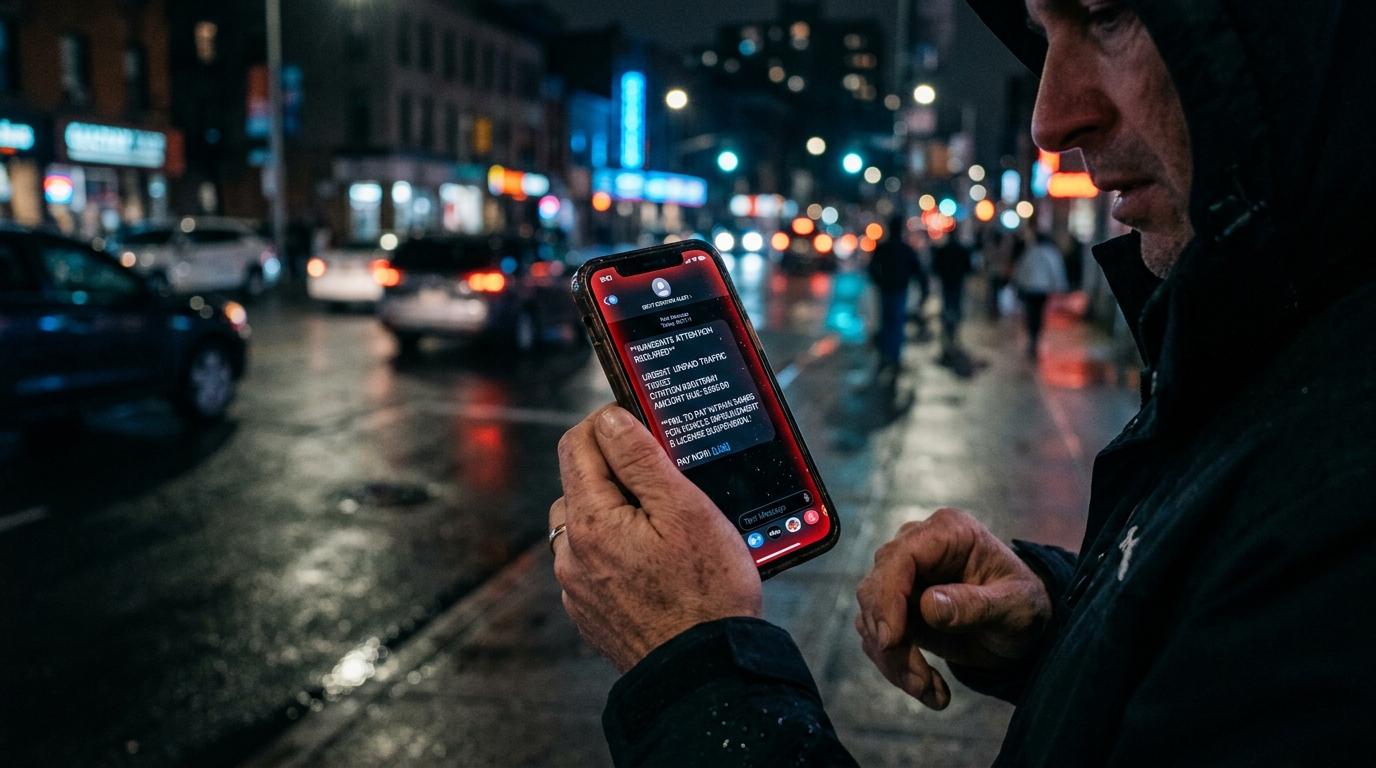
Scammers send out phishing links to their victims via email, texting, or instant messaging apps. They create excuses with a sense of urgency as to why victims need to click these links, and the victims fall for the excuses thinking that they are legit.
Once they click on the links, they are prompted to fill out their personal and financial information for an urgent reason that the scammer creates, and the victims fall for it not realizing the harm this would place on them. After this information is filled out, scammers commit identity theft and drain their bank accounts without victims realizing it until it’s too late.
Non-Payment/ Non-Delivery Scams
Scammers send phishing emails to victims claiming that the payment information they entered for a product they purchased isn’t correct. They then ask their victims to re-enter the payment information using the link in the email. Victims want the item they purchased, so they click the link and re-enter their information. Scammers use the information they entered to steal their money and information.
Scammers create fake websites that look like online stores and sell items for deals that are too good to be true. Victims can’t resist these deals so they go onto these fake websites and purchase products that are for sale. They enter their personal and financial information in order to purchase the product advertised on the website. Once they enter this information, scammers steal it and use it to drain their bank accounts and commit identity theft.
Extortion Scams
Scammers use blackmail in order to trick their victims out of the money they worked so hard to earn. One of the most popular versions of this scam is the sextortion scam where scammers send emails out to their victims claiming that they know their Internet history. They claim that they have seen their victims watch porn and will send their Internet history and secret videos of them watching porn to their loved ones if the victim doesn’t send money.
The victims fear their videos and history surfacing the Internet, so they send the money to the scammers out of fear. However, the scammer was lying the whole time and doesn’t actually have your videos or history. They just wanted to get their hands on your money.

Here are the scams that people lost the most money to in 2020:
BEC Scams
Scammers create fake email addresses that make them look like they are a boss or a coworker of a company. They then email their victims stating that they owe money for an order that was placed by the company they work for.
Thinking that the email is legit, they follow the directions on the email on how to send them money. They either wire transfer money or send gift cards to the scammer thinking that they are a large corporation. However, they find out after it’s too late that they aren’t who they say they are.
Romance Scams
Scammers create fake profiles on dating apps and social media networks then message random people on these platforms. Scammers make their victims feel special and claim that they are the most beautiful person that they’ve laid their eyes on so that victims will message them back.
Victims feel flattered by these messages and feel like they want to get to know the scammer better. They develop an online connection with them and fall in love with them. Once the victim’s trust is gained, the scammer starts asking them for money, claiming it’s for an emergency situation. They continue to guilt-trip their victims for money until the victim’s bank account runs dry.
Investment Fraud
Scammers create money-making opportunities on social media that look like they are too good to resist. They convince their victims to sign up, claiming that they only need to pay a small fee in order to receive a large sum of money. Victims give scammers their personal and financial information in order to sign up for the investment opportunity.
However, as soon as they provide scammers with this information, they steal their money and identities. They block their victims without giving them the promised sum of money.
How to Avoid These Scams

- Don’t give your personal or financial information to anyone that you meet online for any reason.
- Only shop at trusted online stores and do your research before shopping anywhere new.
- Don’t click on links to emails or messages that you’re unfamiliar with or seem suspicious.
- If you are unsure about an email, go to the company’s official website yourself instead of clicking the link on the email.
- Check with your boss or CEO in person before sending money to anyone and make sure it’s a verified company.
- Don’t participate in an investment opportunity without doing prior research.
- Don’t fall for anyone trying to blackmail you out of money. Scammers usually don’t follow through with their threats.
How to Report Online Scams

Report any online scam that you’ve been a victim of to the IC3 and FTC. They need the most accurate data of how many people have been scammed in order to educate their audience most efficiently. There are even times where the FBI catches the scammer you reported or is able to get your money back.
You never know what could happen if you at least try to report them. They will be able to help you recover financially and emotionally while also giving you peace of mind that things will get better.
Social Catfish is Here to Help You While You Report Online Scams!
At Social Catfish, we want to help you verify the identities of those who might seem suspicious to you. If you have their name, email address, phone number, social media username, or image, you can reverse search and see who the suspected person was that you’ve been in contact with to avoid being scammed out of an unemployment claim. If you were involved in a scam, make sure to report online scams to the FTC and IC3 as well.