
 Multiple Faces Detected


 June 5th, 2021
You may now be shopping for some pride merch online as part of your preparation for the Pride Month celebration. However, before purchasing your favorite pride shirts, hats, or bracelets, know that scammers are out there waiting for an opportunity to fool another victim and enjoy the monetary gain. In this article, we will tell you why the LGBT community must watch out for online shopping scams, the types of pride month shopping scams, and how you can avoid these kinds of scams. Continue reading to learn how to shop pride products safely!
Why You Should Watch Out for Pride Month Shopping Scams

Online shopping activity continues to increase. However, online shopping scams skyrocket as well. The same thing applies to shopping for pride merchandise. You must watch out for these online shopping scams because you might end up losing your money without even getting the pride product that you want. Scammers will also take any chance to steal your personal information and collect your money, so shop with caution.
Types of Pride Month Shopping Scams

While you’re eager to shop for items that you can use for Pride Month, scam artists also love to shop for their next victim. So, beware of the following types of online shopping scams.
Fake Retail Sites
One of the most popular online shopping scams is the use of fake retail websites. Scammers are creative enough to use colorful and attractive designs as well as fake logos. They will also use a domain name that is similar to a real pride store.
Scammers will then offer various pride products at low prices. However, you will receive a defective item, or you won’t get any product at all. Note that these scammers will usually require you to pay via wire transfer or a preloaded money card. If you agree with these payment options, it will be impossible for you to get your money back.
Phishing
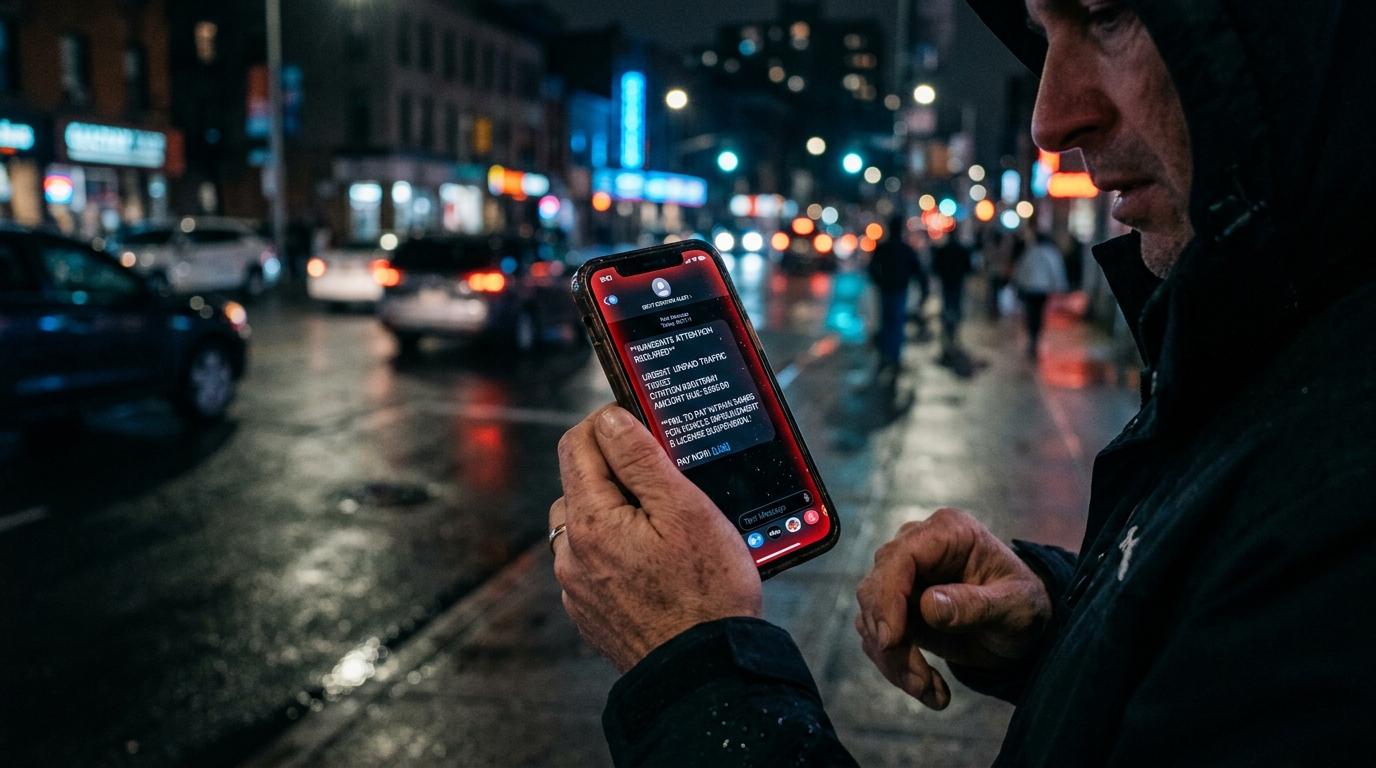
Scam artists also rely on phishing to trick you into disclosing your personal and credit card information. They will say that there were some issues with your pride merch order and that they have to verify your personal details, including your home address and your credit card numbers.
Other emails will say that you’ve won huge prizes. All you have to do to claim them is to provide your personal information. Ignore these kinds of emails because these are common tactics that scammers have been using.

Fake Ads
LGBT online shopping scams involve fake ads that are posted on various social media platforms. They may also appear on legitimate sites. Here, they will advertise huge discounts for various pride items. However, when you click on the link, you will reach a page that will ask for your personal information. Other links include malware that will just harm your device, so avoid opening malicious links.
Fake Coupons and Gift Cards
LGBT online shopping scams do not only advertise crazy discounts. They also offer fake coupons and gift cards. While there are retailers that offer real gift cards and coupons, scammers will take the time to set up fake coupon sites.
They will have you complete a fake survey intended to collect your personal and financial information. Remember that these coupons and gift cards are often released through the company’s official channels. So, do not entertain any unsolicited gift cards and coupon offers.
How to Avoid Pride Month Shopping Scams

Avoid the different pride month shopping scams that we have shared above by performing these steps:
- Review the terms and conditions, including delivery dates and refund policies. See if there’s a full money-back guarantee in case you’re not satisfied with the item. If there is little to no information about these crucial details, the site is most likely fake.
- Never pay through wire transfer or gift card. Scammers prefer these payment options because it will be difficult for you to get your money back.
- Immediately exit from sites that ask you to enter your personal data or download software just to get coupons or gift cards. Research the official channels of these retailers and see if they have an app where they provide coupons and gift cards.
- Disregard unsolicited emails that tell you to visit a link, complete a survey, or claim prizes for something that you’ve never signed up for.
- Compare prices from various shops. Do not get swayed by tempting offers online. Do your research and see if the discounts are true based on people’s reviews.
- If you think you’ve been a victim of online shopping scams or someone has attempted to scam you, report the incident to the Federal Trade Commission (FTC) and the Federal Bureau of Investigation’s (FBI) Internet Crime Complaint Center (IC3).
Spot LGBT Online Shopping Scams With Social Catfish
Now that Pride Month is just around the corner, scammers are applying all techniques to scam you with pride month shopping scams. These can be through fake retail sites, ads, or phishing attacks. If you encounter something suspicious while shopping online, proceed to the Social Catfish page for a reverse search.