 Multiple Faces Detected


 March 4th, 2026
You’re at checkout, your cart is full, and Klarna offers to split it into four easy payments, no hard credit check, no interest, no problem. Millions of shoppers use it every week without a second thought. But here’s what you might not know: The FTC reported a 400% increase in imposter scams in 2024, resulting in over $789 million in losses. BNPL fraud is one of the fastest-growing financial crimes in the country, and in a scheme that went viral on TikTok in late 2024, scammers used stolen personal information to open fraudulent Klarna accounts and max them out on electronics, leaving innocent victims with debt, damaged credit, and no recourse.
So is Klarna safe to use in 2026? The short answer is yes, with conditions. Klarna itself is a legitimate, regulated financial company. But scammers have made it a prime target, and knowing the difference between a real Klarna interaction and a fraudulent one could save you from serious financial damage. If something feels off, Social Catfish can help you verify who you’re really dealing with. Here’s everything you need to know.
What Is Klarna and How Does It Work?
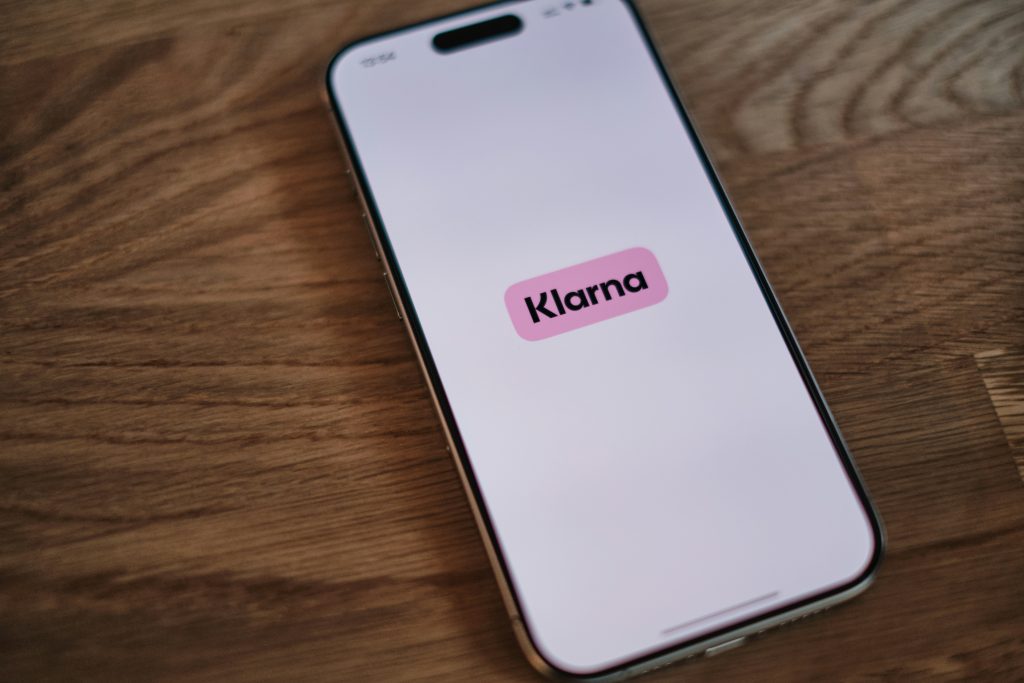
Founded in Sweden in 2005, Klarna provides online financial services to 114 million consumers and partners with 850,000 merchants globally. Initially offering buy now, pay later services, Klarna has expanded to include interest-free payments, digital banking services, and retail and marketing services for the e-commerce industry.
When you use Klarna at checkout, the company pays the merchant directly, and you repay Klarna in installments, typically four payments over six weeks with no interest. Klarna makes its money through merchant fees rather than charging you. It’s a model that’s made it one of the most widely used fintech companies in the world.
Klarna is not a scam. It’s a legitimate buy-now, pay-later service provider reviewed favorably by several third-party publications; both NerdWallet and Business Insider rate it 4.5 out of 5 stars.
Is Klarna Actually Safe? A Look at Its Security
Klarna implements multiple layers of security to protect your personal and financial information. Encryption protects all payment information using TLS 1.3 protocols, the same security standard used by major financial institutions. Your card details are tokenized, meaning merchants never see your actual payment information. The platform also uses real-time fraud detection with machine learning algorithms to flag suspicious activity.
Klarna holds banking licenses in Sweden and the UK, meaning it must comply with strict financial regulations that protect consumers.
Additional protections include two-factor authentication (2FA), biometric login options, one-time virtual cards for purchases, and 24/7 account monitoring. These are the kinds of safeguards you’d expect from a traditional bank, not just a shopping app.
That said, no platform is immune to risk. In 2021, Klarna experienced an incident that reportedly exposed the account information of up to 9,500 users. And in 2025, a technical issue involving recycled phone numbers potentially exposed limited personal information, though not card data, for fewer than a few thousand users.
The platform’s track record is solid for a company processing millions of transactions daily, but these incidents are a reminder that your own security habits matter just as much as the platform’s.
The Scams Targeting Klarna Users in 2026
This is where things get serious. Klarna itself isn’t the threat, but fraudsters actively impersonate it and exploit its systems. Here are the scams you need to know about.
The “Klarna Method” Identity Theft Scheme
Viral videos on TikTok and Telegram promoted a so-called “Klarna Method,” falsely marketed as a “money glitch” to acquire free electronics and luxury goods. In reality, the scheme involved using stolen personal data known as “Fullz” on the dark web to open fraudulent Buy Now, Pay Later accounts. By exploiting Klarna’s instant soft-check approval process, criminals maxed out credit limits on high-value items like iPhones and PlayStations, leaving unsuspecting victims with massive debt and ruined credit scores.
Klarna issued a warning, calling the scheme “fraud, plain and simple,” and reminding users that federal wire fraud carries penalties of up to 20 years in prison.
Phishing Emails and Fake Klarna Messages
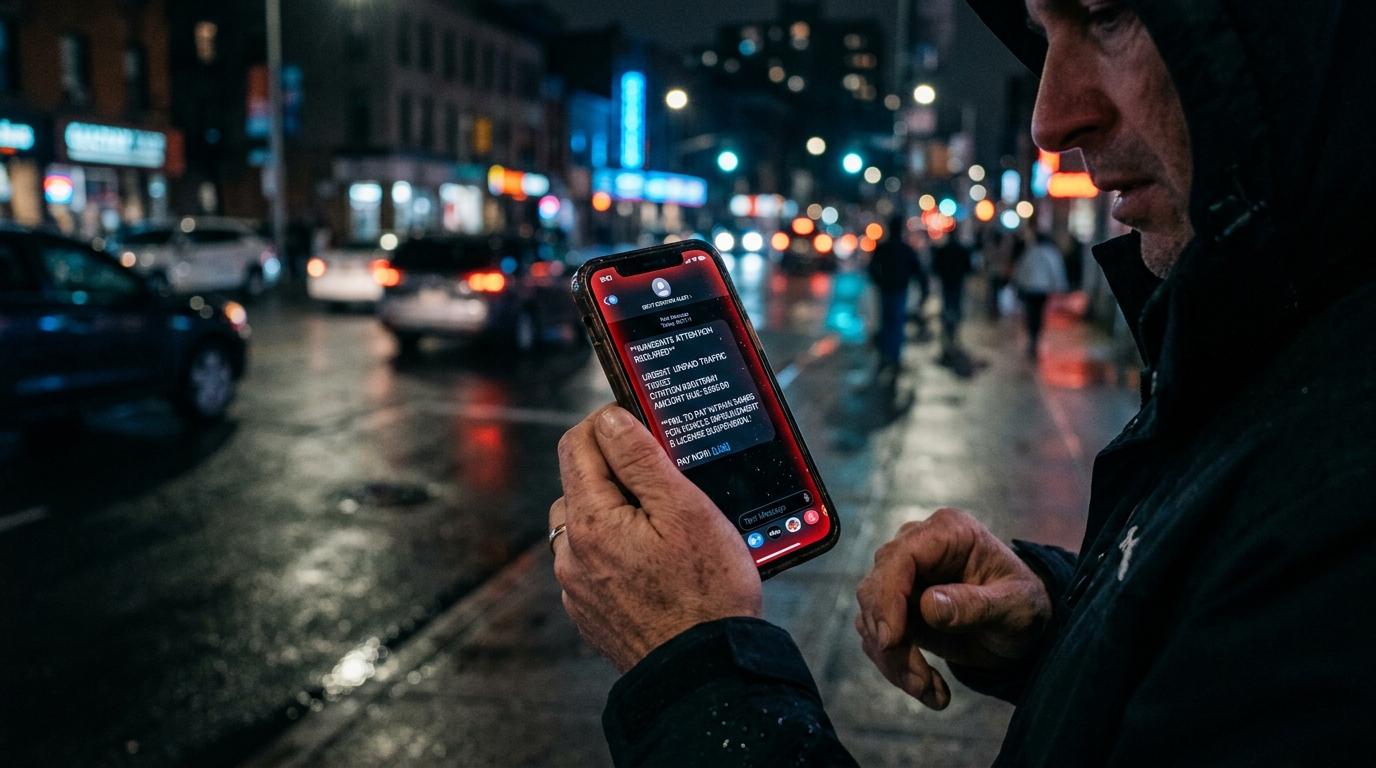
Phishing attacks are among the most common Klarna scams. Attackers send emails or texts claiming to be from Klarna that include links to fake websites. These messages often urge recipients to update their accounts, input card details, or click suspicious links using urgent language and official-looking branding.
The Better Business Bureau has an active alert on Klarna’s profile, warning consumers that they may receive scam emails, phone calls, text messages, and fake job offers that appear to come from Klarna.
Vishing and Smishing Attacks
Beyond email, scammers also use voice calls (vishing) and SMS messages (smishing) to impersonate Klarna support. Klarna will never ask for your credentials over the phone, email, or SMS. If someone claiming to be from Klarna asks for your one-time password or login details, hang up immediately.
Fake Job Offers
A less obvious scheme involves fraudulent text messages offering lucrative remote work supposedly from Klarna. These messages promise unrealistic pay, sometimes several hundred dollars per day, for vague tasks like “updating data.” They use non-Klarna email domains and pressure recipients to act fast. These are phishing attempts designed to harvest personal information.
Account Takeover Fraud
Scammers gain access to existing Klarna accounts through phishing emails, credential stuffing using leaked username and password combinations from other breaches, or SIM swapping. Once inside an account, they change the shipping address and make purchases before the victim notices. Because the account already has an established history, these transactions often slip through fraud detection systems.
Red Flags That a Klarna Message May Be Fake
Not every message that claims to be from Klarna is legitimate. Watch for these warning signs:
- The message creates urgency, threatening account suspension or demanding immediate action
- You’re asked to click a link outside of the official Klarna app or website
- The email address doesn’t end in @klarna.com
- Someone asks for your one-time password or PIN code over the phone
- You receive an unsolicited job offer via text with vague responsibilities and unusually high pay
- The message has spelling errors, odd formatting, or mismatched branding
To report a suspicious email or website, forward it to phishing@klarna.com, and Klarna’s security team will investigate.
How to Protect Yourself When Using Klarna
Knowing the threats is half the battle. Here’s how to use Klarna safely in 2026:
Enable two-factor authentication. Klarna offers 2FA through SMS or authenticator apps, and this simple step blocks 99% of automated attacks. Turn it on in your account settings.
Use Klarna’s one-time card feature. Klarna generates a virtual card number for individual purchases, so your actual card details are never exposed to merchants. This significantly reduces the risk of card data being stolen.
Only access Klarna through official channels. Go directly to the Klarna app or klarna.com. Never click links in emails or texts, even ones that look legitimate.
Monitor your account regularly. The deferred payment option means users might not notice their accounts have been breached until they receive payment alerts. Check your Klarna account and linked bank accounts frequently for unauthorized activity.
Use a strong, unique password. Don’t reuse passwords across sites. If your credentials from another platform are leaked in a data breach, a unique Klarna password means your BNPL account stays protected.
Check your credit report. If you suspect someone has used your identity to open a fraudulent Klarna account, check your credit report at AnnualCreditReport.com for unfamiliar accounts or hard inquiries.
How to Verify If Someone Is Scamming You Through Klarna
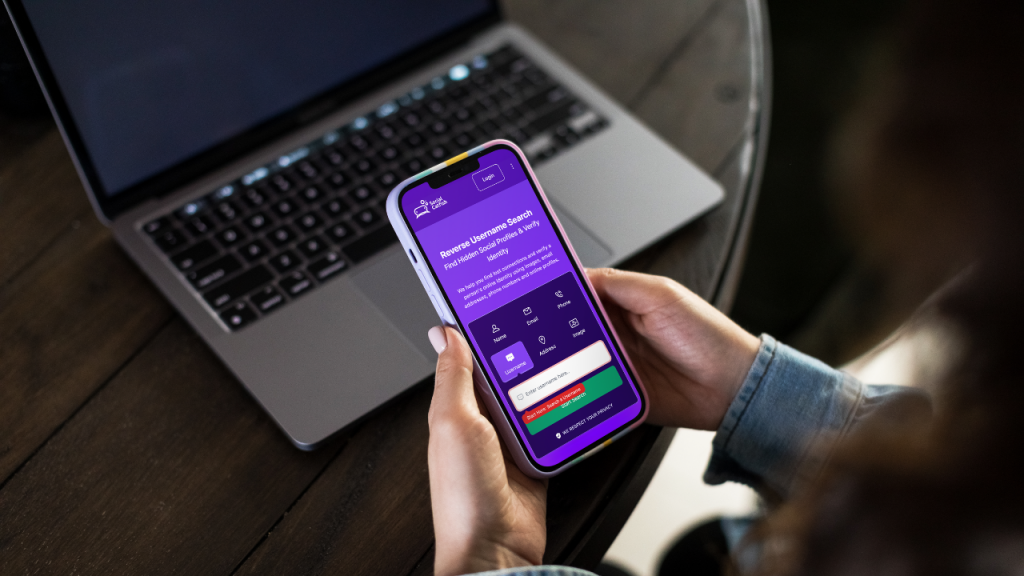
If you’ve been contacted by someone asking you to pay via Klarna, or you’ve met a person online who seems too good to be true, a reverse lookup can tell you a lot before you hand over money or personal information.
Reverse Phone Search — If you received a suspicious call or text supposedly from Klarna, run the number through Social Catfish’s Reverse Phone Search. It can reveal whether the number belongs to a real person or has been flagged in previous scam reports.
Reverse Email Search — Scammers frequently send phishing emails from accounts that look similar to official addresses. A Reverse Email Search through Social Catfish can help you verify whether an address is connected to a legitimate identity.
Reverse Image Search — If you’ve been interacting with someone on a marketplace or social platform who asked you to pay them using Klarna, use Social Catfish’s Reverse Image Search to verify their profile photo. Scammers routinely steal photos from other people’s accounts to build fake personas.
Name Search — If someone gave you a name and claimed to represent Klarna or a Klarna-affiliated service, a Name Search can help you cross-reference their identity against public records and online profiles.
Search Specialists — If you believe you’ve already been the victim of a Klarna-related scam and need help tracing who was behind it, Social Catfish’s Search Specialists can conduct a deeper investigation on your behalf.
What to Do If You’ve Already Been Scammed
If you believe you’re a victim of Klarna fraud, act quickly:
Contact Klarna immediately through the official app to freeze your account and dispute any unauthorized transactions. Notify your bank or card provider to flag suspicious charges and request new card numbers if needed. File a report with the FTC at reportfraud.ftc.gov and with your local police department. If your Social Security number was used to open a fraudulent account, place a fraud alert or credit freeze with all three major credit bureaus: Equifax, Experian, and TransUnion.
Frequently Asked Questions
Yes. Klarna was founded in Sweden in 2005 and is now listed on the New York Stock Exchange, serving 114 million consumers and 850,000 merchants globally. It holds banking licenses in both Sweden and the UK.
Yes, and it has happened. Scammers have used stolen Social Security numbers and personal information to open fraudulent Klarna accounts, max them out on electronics, and leave victims with unauthorized debt and damaged credit scores. Monitor your credit report regularly to catch this early.
No. Klarna will never ask for your credentials over the phone, email, or SMS. If you receive a call like this, hang up and report it through the Klarna app.
Do not click any links. Forward the email to phishing@klarna.com so Klarna’s security team can investigate. Then delete the message.
Legitimate sellers don’t pressure you to use a specific payment method, especially on peer-to-peer marketplaces or classified ad sites. Fraudsters often ask you to pay for goods or services using Klarna on unfamiliar websites or trading platforms like classified ad sites or marketplaces. If someone is insisting you pay through Klarna for an informal transaction, verify their identity before completing the purchase.
The Bottom Line
Klarna is a legitimate, well-secured financial platform, but it has become a magnet for scammers who exploit its name recognition and fast approval processes. The threat isn’t Klarna itself. It’s the fraudsters impersonating it, using stolen identities to open fake accounts, and tricking consumers into handing over personal information through convincing phishing messages.
The best thing you can do is stay informed, verify before you trust, and use tools like Social Catfish to investigate anyone or anything that feels off. When in doubt, trust your instincts and run the search.