
 Multiple Faces Detected


![[2021 Chip Shortage] 4 Ways The Chip Shortage Can Effect Your Shopping This Year](https://wp.socialcatfish.cloud/scamfish/wp-content/uploads/2020/12/Screen-Shot-2020-12-17-at-4.07.06-PM.jpg)
 March 11th, 2022
Due to the global chip shortage, the cost of purchasing electronics is on the rise. This holiday season, prices for electronics will be higher than usual, causing many people to look for listings for these goods elsewhere. When deal hunting, it’s important to understand the red flags to be on the lookout for this holiday season.
Types of Holiday Online Shopping Scams to Watch Out For

Why Is There a Chip Shortage?
The pandemic altered how everyone in the world lived their lives for more than a year. More people were working from home than ever before, which meant that more people needed laptops than ever before. This was the cause of the chip shortage. This is because every electronic needs what is known as a semi-conductor. These semiconductors are only made in a few places in the world because they are so difficult to manufacture. Once the demand for all of the laptops hit, a shortage in the previous chips made all other electronics more difficult to make. If you’ve been on a car lot recently, you may have noticed how expensive used cars are at the moment.
Whenever goods become less available, shoppers look to third-party sellers or resellers to find what they’re looking for, which means the number of scams increase. It’s important to understand how these scams work in order to understand how to avoid them. Tha
1. Holiday Online Shopping Phishing Scams
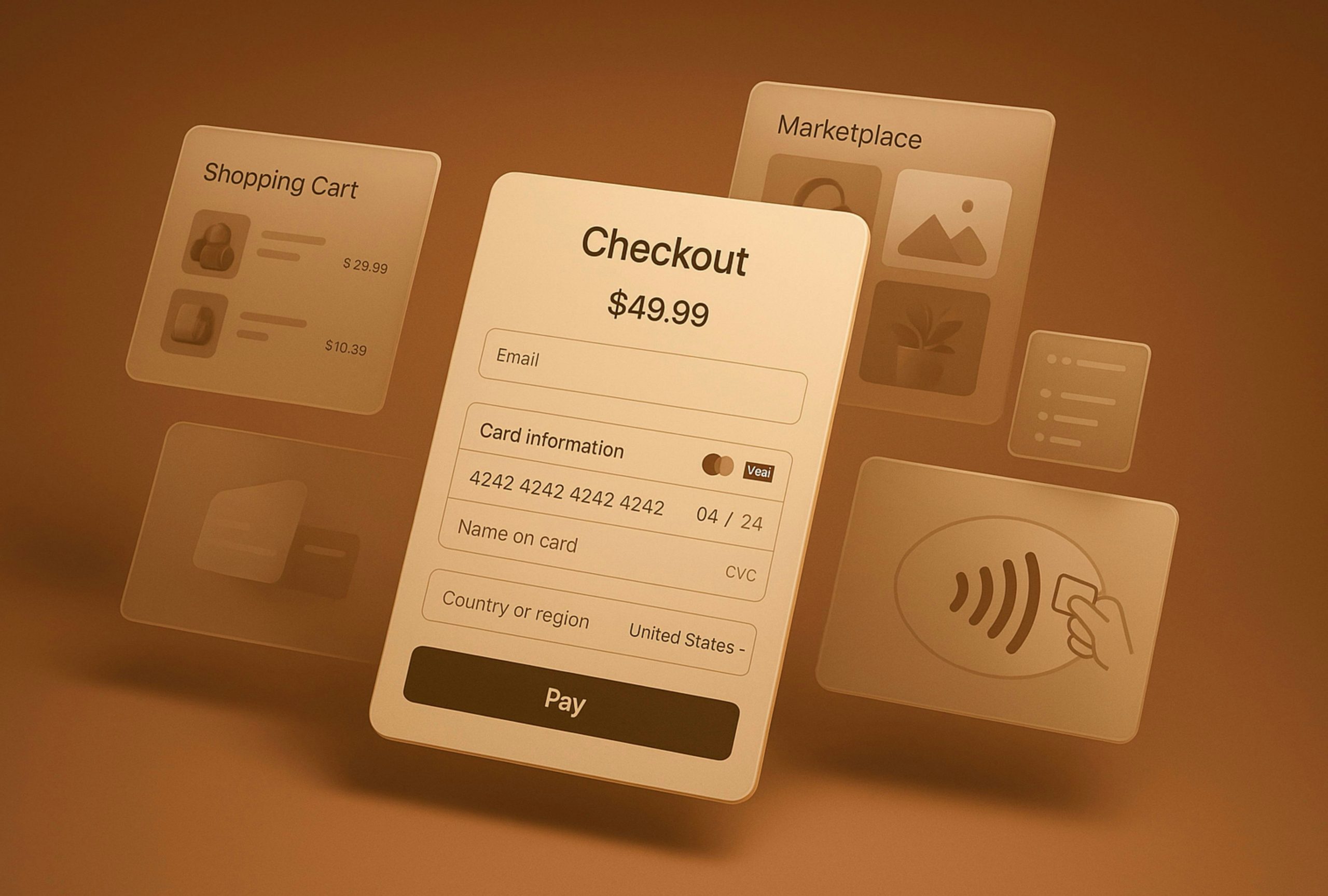
Phishing Scams can be the most devastating type of scam. A phishing scam is when someone puts up a fake website to get your personal information. While looking for a good that relies on a chip to run, you might find yourself on a tech website that seems to have the lowest price for a new iPhone that you can find. You go to check out and enter your credit card information and get a fake email notification saying your order has been confirmed. Now the scammers have all of your payment info and can start using it around the internet and commit identity fraud.
The victims click on an item to buy on the website for a good deal, and the website asks for personal and financial information. Once the victims give up their personal and financial information, the scammer can then steal it to commit identity theft and drain their bank accounts.
2. Paying With a Gift Card or Wire Transfer
In some instances, the fake websites that are mentioned above require that you pay for their items using a gift card or wire transfer. This is because these methods of payment are untraceable, making it nearly impossible for the victims to get their money back. Any online store requesting a wire transfer is a red flag. Encountering this is a sure sign that it is time to shop somewhere else. When it comes to making purchases with gift cards, you should stick to using them in stores with familiar reputations. Using a gift card from a large store like Bets Buy is likely to be fine, but using gift cards for a small store that you’ve never heard of before could potentially leave you vulnerable to scams.

3. Data Breaches and Credit Card Fraud
Even when you are shopping on an official online retail store, such as Amazon or Best Buy, there are instances where data breaches happen. Data breaches are where scammers hack into a store’s security system and steal stored credit card information, account information, and personal information from customers.
With this information, they can take a customer’s credit card information and commit credit card fraud by stealing your money or buying things for themselves on online stores. They can also commit identity theft with this information.
4. Not Receiving Your Item
This could happen for numerous reasons. The first reason is that someone stole the package off your doorstep before you could realize that it arrived. The second reason is that the item never shipped in the first place, and the scammer just took your money without providing you with a package in return.
The third reason is that your package got lost in transit, which is why it’s important to keep tracking your package with your tracking code. If you didn’t receive a tracking code or an email with tracking information, this is a huge red flag that you bought a fake item that isn’t coming and you were involved in a scam.
How to Avoid Holiday Online Shopping Scams

- Don’t give out your personal information to an online store if it doesn’t make sense. The online store will need your name, email address, phone number, and address to send the package, but don’t give out information like your social security number or your driver’s license number. Also, do your research on the online shop before giving your information out while online shopping.
- Don’t give out your financial information to an online store without doing your research. When buying something, make sure to do your research on the online store before filling out a credit card form, and don’t save the credit card information in case of a data breach. If the website you are purchasing an item from requires a wire transfer or gift card to purchase the item, this is a huge sign that the website is fake and you should exit out of it.
- If you notice unfamiliar charges on your card, report them to your credit card company. By reporting this to the company, they might be able to get you some or all of your money back.
- If you don’t receive your item, make sure to report it to the FTC and the online store you purchased it from immediately. With Amazon, usually, you will get your money back if you didn’t receive your item. However, if you purchased the item from a store that’s not very known or doesn’t have any contact information, chances are you have been involved in the scam and need to contact the FTC.
Social Catfish is Here to Help You
At Social Catfish, we want to help you verify the identities of those who might seem suspicious to you. If you have their name, email address, phone number, social media username, or image, you can reverse search and see who the suspected person was that you’ve been in contact with if you think you’ve been a victim of online holiday shopping scams.