Multiple Faces Detected


 July 6th, 2023
In an era where digital communication dominates, we must not overlook the potential dangers of voice-based social engineering attacks, commonly known as vishing. Vishing leverages the power of human interaction to deceive individuals and extract sensitive information over phone calls. Attackers manipulate trust, employ persuasive techniques, and exploit vulnerabilities to trick unsuspecting victims into divulging confidential data or performing actions that compromise their security. In this blog post, we will explore the insidious nature of vishing attacks, shed light on common tactics employed by attackers, and provide practical strategies to recognize and prevent these voice-based social engineering threats. By understanding the risks associated with vishing and equipping ourselves with knowledge, we can safeguard our personal and financial information from falling into the wrong hands.
Understanding Vishing Attacks
Vishing attacks, a form of voice-based social engineering, exploit human interaction to deceive and manipulate individuals over phone calls. Understanding the nature of vishing attacks is crucial in recognizing and defending against them effectively. Here are key points to grasp about vishing attacks:
Definition and Distinction: Vishing, short for “voice phishing,” involves the use of persuasive techniques to trick victims into disclosing sensitive information or performing actions that compromise their security. Unlike other social engineering tactics that primarily rely on digital communication, vishing exploits the human element through phone conversations.
Objectives of Vishing Attacks: Vishing attackers typically aim to acquire valuable information such as credit card numbers, social security numbers, login credentials, or other personally identifiable information (PII). They may also attempt to gain access to financial accounts, commit identity theft, or conduct fraudulent activities.
Manipulative Tactics: Vishing attackers employ a range of manipulative tactics to deceive victims and gain their trust. These tactics include impersonating trusted individuals or organizations, creating a sense of urgency or fear, offering enticing rewards or prizes, or using social engineering techniques to exploit psychological vulnerabilities.
Pretexting and Social Engineering Techniques: Vishing attacks often involve pretexting, where attackers fabricate a believable scenario or story to deceive the victim. They may pose as bank representatives, government officials, tech support personnel, or other trusted figures to trick individuals into divulging sensitive information or performing actions they would not normally do.
Call Spoofing and Caller ID Manipulation: Vishing attackers frequently employ call spoofing techniques to manipulate caller ID information, making it appear as if the call is coming from a different phone number or a trusted source. This manipulation adds a layer of authenticity to the attack and increases the chances of success.
Psychological Manipulation: Vishing attacks exploit psychological vulnerabilities, such as the desire to be helpful or the fear of consequences. By using persuasive language, urgent requests, or emotional manipulation, attackers aim to bypass the victim’s critical thinking and coerce them into revealing sensitive information or complying with their demands.
Recognizing Vishing Red Flags
Recognizing the red flags of vishing attacks is crucial in protecting yourself and your sensitive information. By being aware of these indicators, you can identify potential vishing attempts and take appropriate precautions.
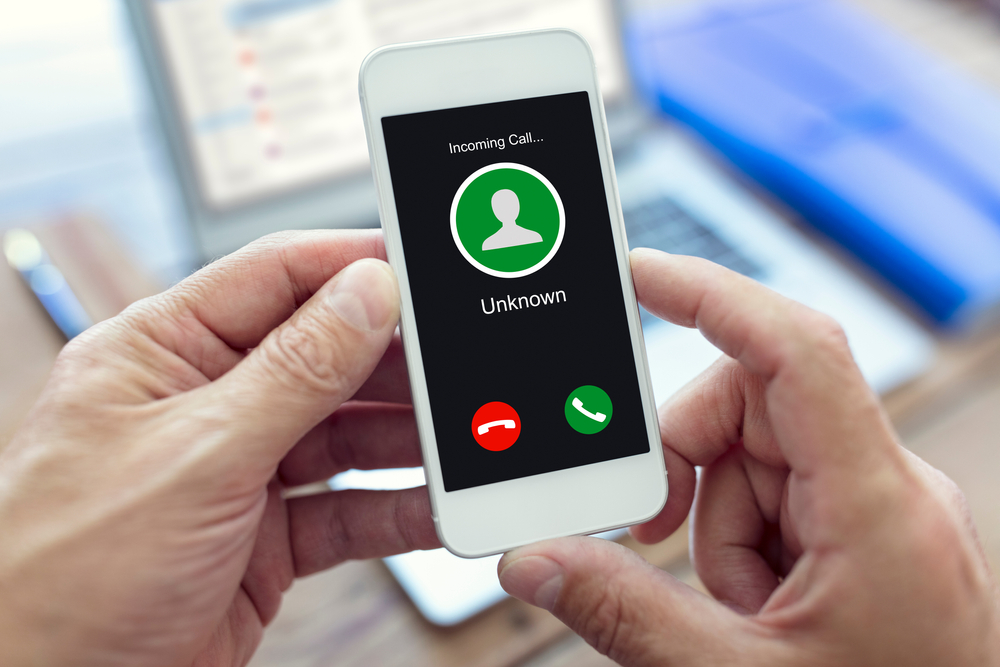
Vishing attacks often begin with unsolicited phone calls. If you receive a call from an unknown number or a caller you were not expecting, exercise caution. Be particularly wary if the caller claims to be from a financial institution, government agency, or a service provider.
Vishing attackers create a sense of urgency or exploit emotions like fear to prompt quick action. They may claim that there is an issue with your account, a pending legal matter, or a time-sensitive opportunity. Be cautious if the caller insists on immediate action or threatens negative consequences for non-compliance.
Vishing attackers often manipulate caller ID information to make it appear as if the call is coming from a legitimate source. They may impersonate well-known companies, government agencies, or even people you trust. Keep in mind that caller ID information can be falsified, and don’t solely rely on it as a verification method.
Be wary of any caller who requests sensitive information such as your social security number, credit card details, passwords, or other personal identifiers. Legitimate organizations typically do not ask for such information over the phone, especially unsolicited.
Vishing attackers may entice victims with attractive offers, discounts, or prizes to gain their trust and cooperation. Exercise skepticism if you receive unexpected offers that seem too good to be true, especially if they require you to provide personal information or make immediate payments.
Pay attention to inconsistencies or discrepancies in the information provided by the caller. Vishing attackers often struggle to maintain a consistent narrative, and their stories may change or lack credibility upon closer scrutiny. Trust your instincts and question any inconsistencies you observe.
Preventing Vishing Attacks
Never Share Personal or Sensitive Information
Refrain from sharing personal, financial, or sensitive information over the phone, especially if the call is unsolicited. Legitimate organizations would not ask for such information over the phone.
Verify the Identity of the Caller Independently
If you receive a call requesting personal information or urgent action, independently verify the caller’s identity. Contact the organization directly using their official contact information to confirm the legitimacy of the call.
Be Cautious of Unsolicited Calls and Requests
Exercise caution when receiving unsolicited calls, particularly those that request immediate action, payments, or personal information. Take the time to evaluate the situation and do not be coerced by urgency or high-pressure tactics.
Educate Yourself and Your Employees
Stay informed about common vishing tactics and educate yourself and your employees on how to recognize and respond to vishing attacks. Conduct training sessions to raise awareness and promote a culture of vigilance within your organization.
Use Call-Blocking Features or Apps
Utilize call-blocking features provided by your phone service provider or install reputable call-blocking apps on your mobile device. These tools can help filter out suspicious calls and reduce the number of vishing attempts reaching you.
Report and Raise Awareness
If you encounter a vishing attempt, report it to the appropriate authorities, such as your local law enforcement agency or the Federal Trade Commission (FTC). By reporting incidents, you contribute to the collective effort of combating vishing and protecting others from falling victim to similar attacks.
Strengthening Phone Security
In addition to being vigilant against vishing attacks, it is crucial to strengthen the overall security of your phone to minimize the risk of falling victim to social engineering attempts. Consider the following strategies to enhance phone security:
Implementing strong and unique PINs or passwords for your phone accounts is a fundamental step in protecting your device and sensitive information. Avoid using common or easily guessable codes and opt for longer, complex passwords that include a combination of letters, numbers, and special characters.
Enabling additional security measures, such as two-factor authentication (2FA), adds an extra layer of protection to your phone accounts. 2FA requires users to provide a second form of verification, such as a unique code sent to their registered email or mobile device, before gaining access. This ensures that even if attackers obtain your password, they still require the second verification factor to gain access.
Regularly updating and patching your phone’s software and applications is essential to address any security vulnerabilities. Keep your operating system and apps up to date to benefit from the latest security enhancements and bug fixes provided by the developers.
Being cautious of public Wi-Fi networks and unsecured connections is crucial for protecting your phone and data. Avoid connecting to unfamiliar or untrusted Wi-Fi networks, as they may be compromised by attackers aiming to intercept your communications or steal your information. Instead, use secure and encrypted networks or consider using a virtual private network (VPN) to ensure a secure connection.
Educating Others and Raising Awareness
To combat vishing attacks effectively, it is crucial to educate others and raise awareness about the risks and prevention measures. By sharing knowledge and promoting responsible phone use, you can empower individuals and create a community of vigilant users. Consider the following approaches:
Share information about vishing attacks with family, friends, colleagues, and your wider social network. Communicate the dangers of vishing and the tactics employed by attackers to manipulate unsuspecting victims. Encourage them to stay vigilant and adopt preventive measures to protect themselves.
Conduct training sessions or workshops to provide in-depth knowledge about vishing attacks and prevention strategies. Offer practical examples and real-life scenarios to help participants understand the tactics used by attackers. Emphasize the importance of critical thinking and skepticism when receiving unsolicited calls or requests for personal information.
Promote responsible phone use by advocating for good security practices. Encourage individuals to regularly update their phones, use strong passwords, and enable security features such as two-factor authentication. Emphasize the significance of being cautious with personal information and the need to verify the identity of callers independently.
Collaborate with organizations, schools, or community groups to raise awareness about vishing attacks. Offer to deliver presentations or participate in panel discussions to educate a broader audience about the risks and prevention strategies. Share resources and educational materials that can be disseminated to spread awareness effectively.
Utilize social media platforms, blogs, or other online channels to share informative content about vishing attacks. Create engaging and accessible materials, such as infographics or videos, that highlight red flags, prevention tips, and real-life stories. Encourage your audience to share this content to reach a wider audience.
Conclusion
Protecting ourselves from vishing attacks and voice-based social engineering requires a combination of awareness, vigilance, and proactive security measures. In this blog post, we have explored the nature of vishing attacks, identified red flags, and discussed strategies to prevent such attacks.
By understanding the tactics used by vishing attackers and recognizing the warning signs, we can take steps to safeguard our personal and sensitive information. Strengthening phone security, being cautious of unsolicited calls, and educating ourselves and others are vital components of building resilience against vishing attacks.
However, it is important to remember that the landscape of social engineering is ever-evolving, and attackers constantly find new ways to exploit vulnerabilities. Therefore, it is essential to remain vigilant, stay informed about emerging threats, and adapt our preventive measures accordingly.
By fostering a culture of skepticism, critical thinking, and responsible phone use, we can collectively combat vishing attacks and protect ourselves and our communities from falling victim to these manipulative tactics.
Remember, if you encounter a suspected vishing attempt, report it and share your experience with others. By sharing knowledge, raising awareness, and promoting best practices, we can create a safer digital environment for everyone.
Stay informed, stay vigilant, and stay resilient against voice-based social engineering attacks. Together, we can build a stronger defense and protect our personal information in an increasingly interconnected world.