Multiple Faces Detected


 January 31st, 2023
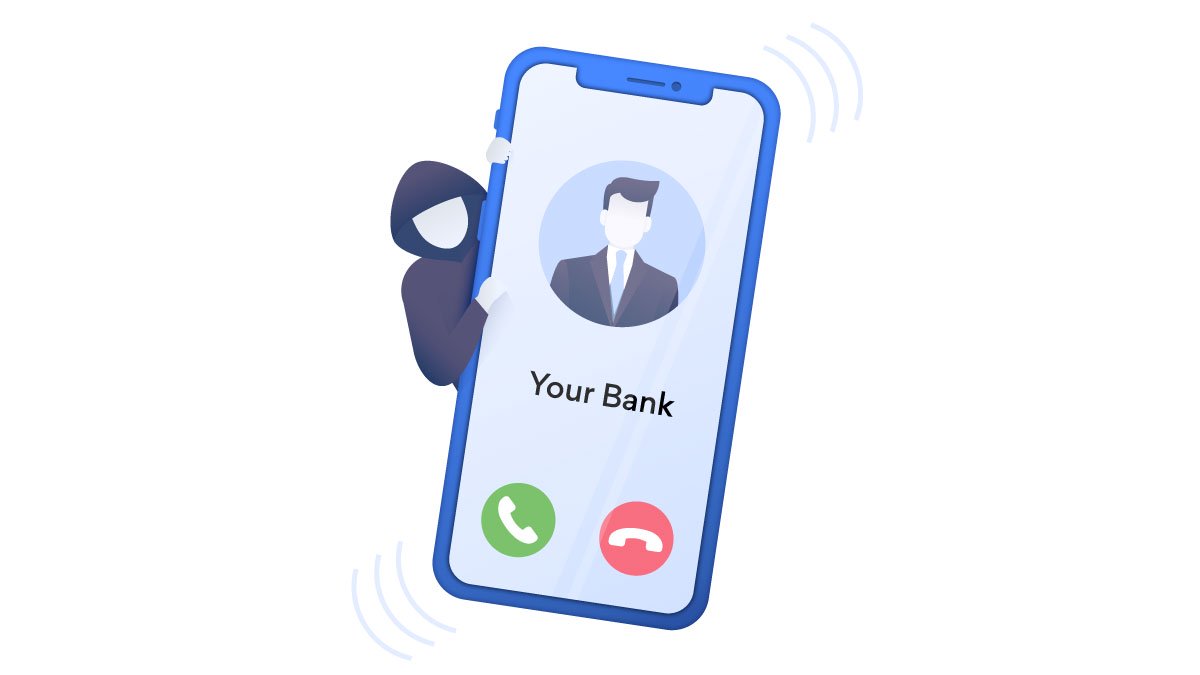
Vishing, short for voice phishing, is a form of social engineering where criminals use voice calls or voice messaging systems to trick individuals into revealing sensitive information such as passwords, credit card numbers, and other personal details. As technology continues to advance, vishing has become a more sophisticated and prevalent threat, affecting individuals and businesses alike. In this blog post, we will explore the tactics used by vishing scammers, how to detect and prevent vishing attacks, and best practices for protecting yourself and your organization from this type of fraud.
What is it and How Does it Work?
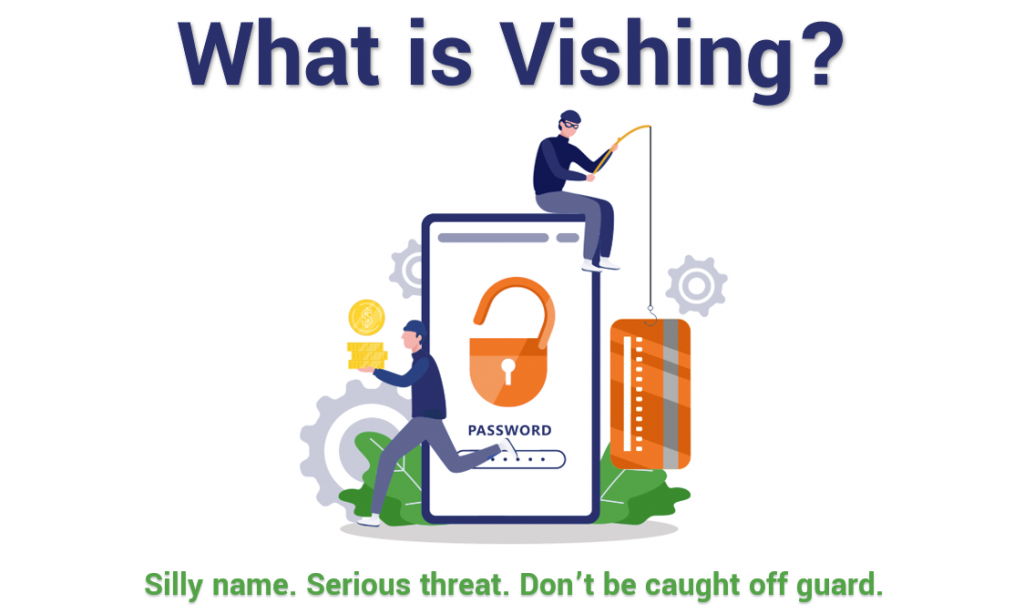
Vishing is a type of phishing attack that uses voice calls or voice messaging systems to trick individuals into revealing sensitive information. Vishing attacks can take many forms, including automated voice messages, pre-recorded voice messages, or live phone calls. The goal of vishing is to deceive the victim into providing personal information or making a payment, which the attacker can then use for their own financial gain.
In vishing attacks, criminals often pose as representatives from reputable organizations such as banks, government agencies, or tech support companies. The attacker may use tactics such as urgency, fear, or a sense of authority to pressure the victim into divulging sensitive information. For example, the attacker may claim that the victim’s account has been compromised and that they need to take immediate action to protect their assets.
Vishing is a particularly effective form of phishing because it leverages the trust that people have in voice communication. People are more likely to believe someone who is speaking to them directly, and this can make it easier for vishing attackers to deceive their victims. Additionally, vishing can be more difficult to detect than other forms of phishing because it relies on the victim’s voice and speech patterns, rather than visual cues.
The methods used in vishing attacks have become increasingly sophisticated in recent years. For example, attackers may use “spoofing” techniques to manipulate the caller ID information displayed on the victim’s phone, making it appear as if the call is coming from a legitimate source. They may also use voice recognition and speech synthesis software to mimic the speech patterns of a specific individual or organization, further convincing the victim of their authenticity.
Vishing attacks can cause significant financial harm to individuals and organizations. Victims may lose money directly, such as when they make a payment to the attacker, or they may experience indirect harm such as identity theft or unauthorized access to their accounts. In some cases, vishing attacks can also have far-reaching consequences, such as damaging the reputation of the targeted organization or causing data breaches that expose sensitive information.
Scams Where Vishing is Used
Some common vishing scams include:
- Social Security scam: The attacker poses as a Social Security Administration employee and asks for Social Security numbers, birth dates, and other personal information.
- Bank scam: The attacker claims to be from a bank and asks for the victim’s account number, PIN, and other sensitive information.
- Tech support scam: The attacker claims to be from a technical support team and asks for remote access to the victim’s computer to “fix” a problem.
- Tax scam: The attacker claims to be from the IRS and demands immediate payment for a supposed tax debt.
- Investment scam: The attacker offers a “too good to be true” investment opportunity and asks for the victim’s investment account information.
Red Flags to Identify Vishing Attempts
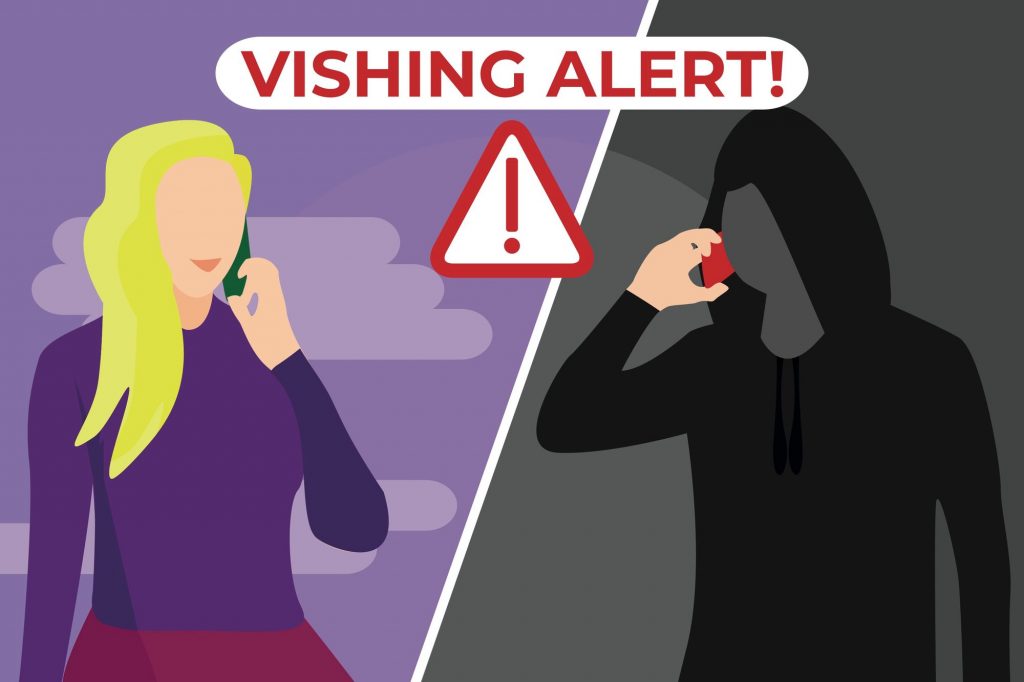
A common tactic used by vishing scammers is to ask for personal information such as passwords, Social Security numbers, or credit card information. This is a red flag, as legitimate organizations typically don’t request sensitive information over the phone.
Vishing scammers often create a sense of urgency to pressure you into making a quick decision. They may threaten to cancel a service or account if you don’t comply with their request. This is a red flag, as legitimate organizations will give you time to verify their identity and protect your information.
Vishing scammers may use technology to manipulate the information displayed on your caller ID, making it appear that the call is coming from a legitimate organization. This is a red flag, as caller ID spoofing is a common tactic used by vishing scammers.
If you receive a call from an unfamiliar number claiming to be from a company or organization, be wary. Legitimate organizations typically call from a number that you recognize and can verify.
Vishing scammers may ask for payment through methods such as gift cards or wire transfers, which are difficult to trace and retrieve. This is a red flag, as legitimate organizations typically use secure and traceable methods of payment.
Vishing scammers may pressure you to act immediately without allowing you time to think or verify their identity. This is a red flag, as legitimate organizations will give you the time you need to protect your information. Always take a step back and verify the identity of the caller before providing any personal information or making a payment.
Protecting Yourself from Vishing Scams
To protect yourself from vishing scams, you can follow these tips:
- Don’t give out personal information to unsolicited callers, even if they claim to be from a legitimate organization like your bank or government.
- If you receive a call from someone claiming to be from an organization, hang up and call the organization back using a number you know is legitimate.
- Don’t press any buttons in response to an automated voice message, as this may lead you to a scammer or lead the scammer to believe you’re a live person.
- Scammers often try to create a sense of urgency to trick you into taking immediate action, such as giving them money or personal information. Don’t act quickly and take the time to verify the information.
- If you suspect you’ve been a target of a vishing scam, report it to the organization that the scammer claimed to be from and to the authorities, such as the Federal Trade Commission (FTC).
Best Practices for Organizations to Prevent Vishing Attacks
Regular training sessions for employees on vishing and other types of social engineering attacks can go a long way in reducing the risk of vishing attacks. Employees should be made aware of the methods used by scammers, such as creating a sense of urgency or posing as a trusted authority, and be equipped with the knowledge and skills to recognize and respond to these attacks.
Organizations can implement technical controls to prevent vishing attacks. For example, using voice over IP (VoIP) systems with advanced security features, such as call authentication and encryption, can help prevent unauthorized access to the organization’s phone system.
Organizations should have a clear policy in place that outlines what employees should do in the event of a vishing attack. This policy should include procedures for reporting the attack and who to contact for assistance.
Regular monitoring and reviewing of phone systems and call logs can help organizations identify any suspicious activity and respond quickly to any potential vishing attacks.
Using multi-factor authentication, such as a combination of a password and a one-time code sent to a separate device, can help prevent unauthorized access to sensitive information and systems.
Collaborating with other organizations and sharing information on vishing attacks can help organizations stay informed and up-to-date on the latest tactics used by scammers. This can help organizations stay one step ahead of vishing attacks and be better prepared to respond when an attack does occur.
Conclusion
In conclusion, vishing scams are a serious threat that can have significant financial and personal consequences for individuals and organizations alike. Staying vigilant and informed about the latest tactics used by scammers is essential in the fight against vishing.
By following best practices, such as regular employee training, implementing technical controls, and using multi-factor authentication, organizations can reduce the risk of vishing attacks and protect themselves and their customers.
Additionally, being aware of the warning signs and taking quick action if a vishing attack is suspected can help minimize the damage and prevent further harm. The fight against vishing requires ongoing efforts and collaboration, but by staying vigilant and informed, we can help prevent these attacks and protect ourselves and our communities.