 Multiple Faces Detected


 May 4th, 2023
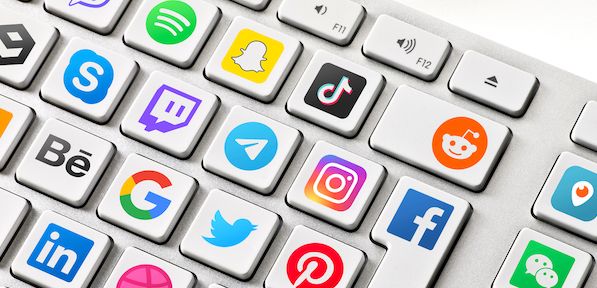
Social media has become an integral part of our daily lives. From sharing personal updates to connecting with friends and family, it provides a platform for us to stay connected with the world. However, this growing reliance on social media has also led to an increase in social media scams. Cybercriminals are using social media to collect personal information, spread malware, and trick users into sharing sensitive data. In this blog post, we will explore the risks of sharing personal information on social media and provide tips on how to stay safe from social media scams.
Common Types of Social Media Scams
Social media scams come in various forms and are designed to trick users into sharing their personal information or downloading malware. Here are some of the most common types of social media scams:
- Phishing scams: These scams typically involve a fake message or post that appears to be from a legitimate source, such as a bank or social media platform. The message will ask the user to click on a link or provide personal information, which is then used by the scammer for fraudulent purposes.
- Fake giveaways and contests: These scams offer users the chance to win a prize or participate in a contest in exchange for their personal information. However, the prize is often non-existent, and the personal information is used for malicious purposes.
- Romance scams: These scams involve creating a fake profile on a dating site or social media platform to lure victims into a romantic relationship. Once the scammer has gained the victim’s trust, they may ask for money or personal information.
- Tech support scams: These scams involve a fake tech support representative contacting the victim and offering to fix a non-existent problem with their computer or device. The scammer may ask for remote access to the victim’s device or payment for the fake service.
- Malware distribution: Scammers may use social media to distribute malware, such as viruses or spyware, by tricking users into downloading infected files or clicking on malicious links.
- Impersonation scams: Scammers may impersonate a trusted individual or organization on social media to gain the victim’s trust and collect personal information.
Risks of Sharing Personal Information on Social Media
Sharing personal information on social media can put you at risk of identity theft, fraud, and other types of cybercrime. Identity thieves can use the information you share on social media, such as your full name, date of birth, and home address, to steal your identity and open credit accounts or apply for loans in your name.
Scammers can use the personal information you share on social media to perpetrate various types of fraud, such as phishing scams or fake contests. Sharing personal information on social media, such as your location or daily routine, can put you at risk of being stalked or harassed.
Sharing personal information on social media, such as photos or sensitive details, can make you a target for cyberbullying. Sharing personal information on social media, such as inappropriate photos or comments, can damage your reputation and affect your personal and professional relationships. Sharing personal information on social media, such as your location or travel plans, can put you at risk of physical harm, such as burglary or assault.
How Social Media Scams Can Impact Individuals and Organizations
Social media scams can have a significant impact on both individuals and organizations. Here are six ways social media scams can impact both:
- Scammers can trick individuals and organizations into giving them money through fake contests, phishing scams, or other types of fraud. This can result in significant financial loss, particularly for small businesses or individuals on a tight budget.
- Social media scams can damage an individual or organization’s reputation, particularly if the scam is shared widely on social media or picked up by the news media. This can affect an organization’s ability to attract customers or investors, or an individual’s ability to secure employment or build a professional network.
- Individuals and organizations that fall victim to social media scams may be held liable for any illegal activity that results from the scam, such as copyright infringement or fraud.
- Social media scams can also result in data breaches, where sensitive information such as passwords, credit card numbers, or personal information is compromised. This can lead to identity theft or other types of cybercrime.
- Social media scams can disrupt an organization’s business operations, particularly if the scam involves a cyberattack or malware that infects an organization’s systems.
- Social media scams can erode an organization’s customer trust and confidence, particularly if the organization is perceived as not taking appropriate measures to protect its customers or prevent fraud.
Tips for Staying Safe on Social Media
Be careful about what you share
Be cautious about sharing personal information such as your address, phone number, or email address on social media. Avoid posting sensitive information such as your Social Security number or financial information.
Use strong passwords
Use strong, unique passwords for your social media accounts, and consider using a password manager to keep track of your passwords.
Enable two-factor authentication
Two-factor authentication adds an extra layer of security to your social media accounts by requiring a second form of verification, such as a code sent to your phone.
Be wary of friend requests and messages from strangers
Be cautious about accepting friend requests or messages from people you don’t know, and avoid clicking on links or downloading attachments from unknown sources.
Keep your software up-to-date
Keep your operating system, web browser, and social media apps up-to-date with the latest security updates and patches.
Use privacy settings
Use privacy settings to control who can see your posts and information on social media. Limit the amount of information that is visible to the public or to friends.
Educate yourself on common scams
Educate yourself on common social media scams and phishing attacks, and be wary of any requests for money or sensitive information.