Multiple Faces Detected


 February 20th, 2023
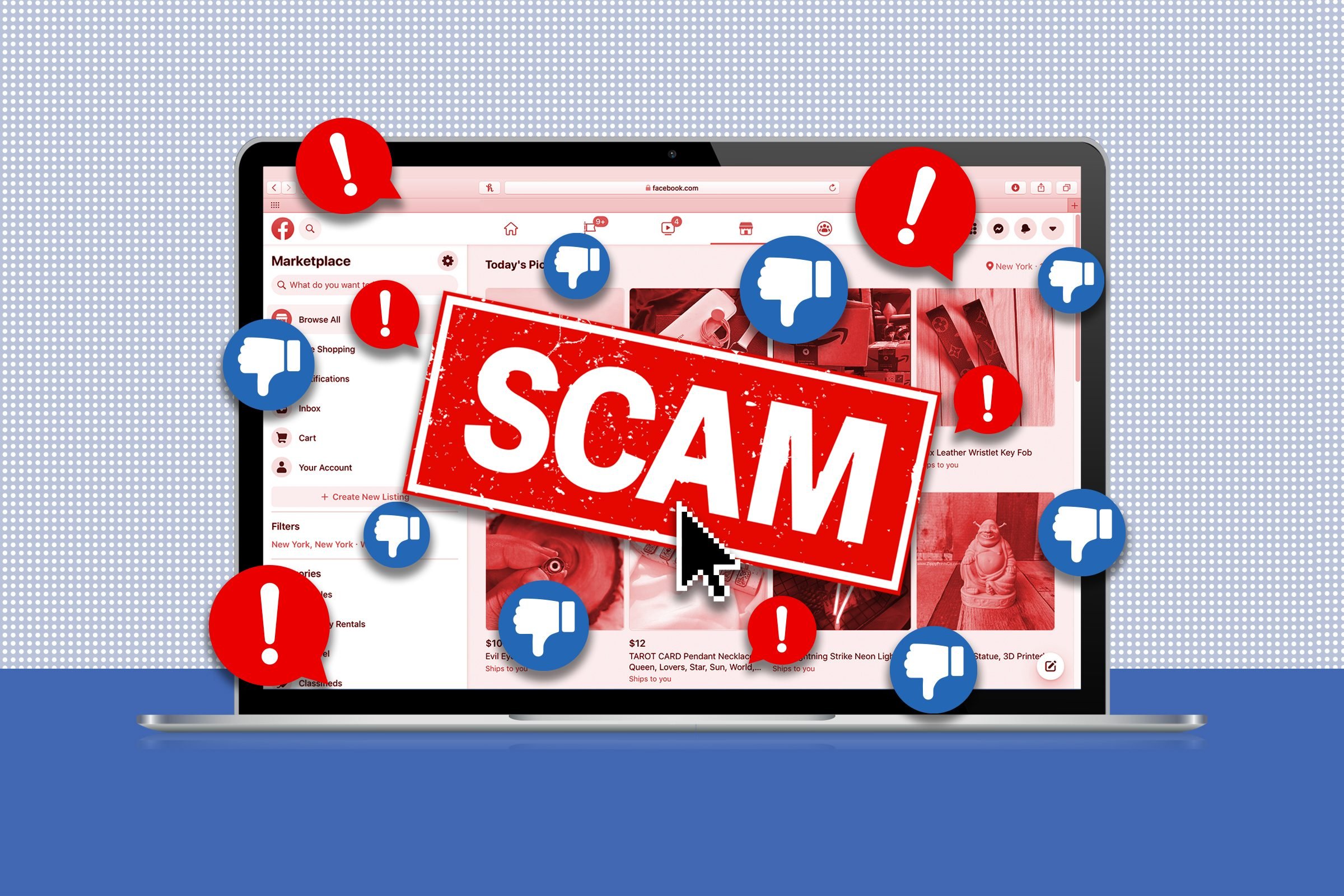
Online marketplaces have become a popular way to shop and sell items, providing a convenient platform for buyers and sellers to connect. However, with the rise of online marketplaces, there has also been a corresponding increase in the number of scams and fraudulent activities. As a buyer, it can be difficult to determine the legitimacy of a seller, and there is always a risk of falling victim to a scam. In this blog post, we will explore the dark side of online marketplaces and provide tips on how to verify sellers and protect yourself from scams. By following these guidelines, you can shop with confidence and avoid becoming a victim of online marketplace fraud.
The Dark Side of Online Marketplaces: How Can You Tell a Fake Marketplace Seller?
There are several signs that can indicate a fake marketplace seller:
- Unusually low prices: If a seller is offering prices that are significantly lower than other sellers for the same product, it could be a sign of a scam.
- No reviews or ratings: A legitimate seller on a marketplace platform will usually have a history of positive reviews and ratings from previous customers. If a seller has no reviews or ratings, it could be a red flag.
- Poor-quality product images: If the images of the product are low-quality or appear to be copied from other websites, it could be a sign of a fake seller.
- Poor communication: If a seller is slow to respond to messages or is unresponsive to your questions or concerns, it could be a sign that they are not a legitimate seller.
- Suspicious payment methods: If a seller asks for payment through an unusual method, such as wire transfer or gift cards, it could be a sign of a scam.
- Poor website design: If the seller’s website looks unprofessional or poorly designed, it could be a sign that they are not a legitimate seller.
It’s important to note that one or two of these signs alone may not necessarily indicate a fake seller, but if you notice several of these signs, it’s best to proceed with caution or avoid the seller altogether. Always do your research on a seller before making a purchase, and if something seems too good to be true, it probably is.
The Dark Side of Online Marketplaces: How Do I Make Sure an Online Seller is Legit?
A legitimate seller will usually have a professional-looking website that clearly displays their contact information and business details. Look for an “About Us” or “Contact Us” page that includes a physical address, phone number, and email address.
Check the seller’s ratings and reviews on the marketplace platform or other review websites. Make sure to read both positive and negative reviews to get a well-rounded picture of the seller’s reputation.
You can verify the legitimacy of a seller’s business by checking their registration with the relevant authorities, such as the Better Business Bureau or your country’s Chamber of Commerce.
A legitimate seller will usually have a clear return and refund policy that protects the buyer’s interests. Look for details on the seller’s website or marketplace platform, and make sure you understand the policy before making a purchase.
If the seller is offering a unique or high-value product, do your research to make sure the product is legitimate and in line with market prices. Check other websites and marketplaces to compare prices and product information.
When making a purchase, use secure payment methods such as credit cards, PayPal, or other reputable payment services. Avoid using wire transfers or gift cards as these are less secure and more difficult to trace.
The Dark Side of Online Marketplaces: How Can I Avoid Being Scammed as a Seller?
As an online marketplace seller, it’s important to take steps to protect yourself from scams and fraudulent activities. Here are some tips to help you avoid being scammed:
Verify the buyer’s identity
Before completing a transaction, verify the buyer’s identity by checking their profile and contacting them directly. Look for any red flags, such as a lack of personal information or suspicious behavior.
Use secure payment methods
When accepting payment, use secure payment methods that provide fraud protection, such as PayPal or a credit card payment processor. Avoid accepting payment through unsecured methods, such as wire transfers or money orders.
Be wary of overpayments or requests for refunds
Scammers may overpay for a product or request a refund after the transaction is complete, hoping to trick you into sending them money. Be wary of these requests and verify the legitimacy of the buyer’s claims.
Ship to verified addresses
When shipping a product, only ship to the verified address on the buyer’s profile. Avoid shipping to unverified addresses or to buyers who request shipping to a different address.
Be cautious of unusual requests
If a buyer makes an unusual request, such as asking for personal information or shipping the product to a different address, it could be a red flag for a scam.
Monitor your account for suspicious activity
Regularly monitor your account for any suspicious activity, such as unusual logins or changes to your payment or shipping information.
The Dark Side of Online Marketplaces: Facebook Marketplace Scams as a Seller
As a seller on Facebook Marketplace, it’s important to be aware of common scams that can target you. Here are some common Facebook Marketplace scams that you should watch out for:
- Overpayment Scam: A buyer sends you a payment for an amount that’s higher than the agreed-upon price and requests a refund for the difference. However, the initial payment is fraudulent, and you end up losing both the product and the refunded amount.
- Shipping Scam: A buyer requests that you ship the product to them, but after you send the item, the buyer claims they never received it, and you are left without any evidence of shipment.
- Identity Theft Scam: A scammer impersonates a legitimate buyer, contacts you with an offer, and asks you to enter your login credentials into a fake Facebook login page, thus stealing your account information.
- Fake Payment Scam: A buyer contacts you claiming to be interested in your product and requests your email address or phone number to send a payment through a third-party payment service. However, the payment is fake, and you may end up losing your product.
To avoid falling victim to these scams, it’s important to take precautions such as:
- Avoiding overpayments and refunds, and double-checking payments before completing a transaction.
- Always using trackable shipping methods and keeping records of shipment.
- Verifying the identity of the buyer, and avoiding suspicious or unverified buyers.
- Refusing to provide personal or sensitive information, and avoiding clicking on any links from unknown or suspicious sources.
The Dark Side of Online Marketplaces: Facebook Marketplace Scams Asking For Phone Number
In this scam, a scammer posing as a buyer contacts a seller on Facebook Marketplace and expresses interest in purchasing their item. The scammer then asks the seller for their phone number, claiming that they would like to arrange a pickup or delivery. Once the seller provides their phone number, the scammer will send them a text message with a link, requesting the seller to click on it. The link may be a phishing attempt or could contain malware that will give the scammer access to the seller’s account.
Clicking on a link that a scammer sends you could be very dangerous. The link may lead to a phishing website that is designed to steal your Facebook login credentials. Once the scammer has your login credentials, they could gain access to your personal information, messages, and even your bank account if you have linked it to your Facebook account.
To avoid falling victim to this type of scam, be very cautious when someone asks for your phone number. Don’t provide it until you are sure that the person is legitimate and has a real interest in your product. Also, be careful when clicking on links that you receive in text messages, even if they appear to be from a legitimate source. Always verify the source and destination of a link before clicking on it.
One way to avoid giving out your phone number is to use Facebook Messenger to communicate with potential buyers. Facebook Messenger provides a safe and secure way to communicate with buyers without revealing your personal information.
If you encounter a scammer who is asking for your phone number, you should report them to Facebook immediately. Facebook has a dedicated team that reviews reports of suspicious behavior on the platform and takes appropriate action, such as suspending or banning the user’s account.
It’s important to stay vigilant when using Facebook Marketplace and to be aware of the many different types of scams that are out there. By taking the necessary precautions and following the platform’s safety guidelines, you can reduce the risk of falling victim to a scam and have a positive buying and selling experience on Facebook Marketplace.
The Dark Side of Online Marketplaces: Facebook Marketplace Scams Asking For Address
One common Facebook Marketplace scam involves scammers asking for a seller’s address in order to purchase an item. Here are some paragraphs on this type of scam:
In this scam, a scammer posing as a buyer contacts a seller on Facebook Marketplace and expresses interest in purchasing their item. The scammer then asks the seller for their address, claiming that they would like to pick up the item. Once the seller provides their address, the scammer may claim that they are no longer interested in the item, or they may not show up to pick it up.
Scammers may also ask for your address in order to commit identity theft. They may ask for your full name, phone number, and other personal information, claiming that they need it for the pickup or delivery. They may then use this information for fraudulent purposes, such as opening new credit accounts in your name or making unauthorized purchases.
To avoid falling victim to this type of scam, be very cautious when someone asks for your address. If possible, try to arrange a pickup or delivery location that is not your home address, such as a public place or a designated pickup location. Be careful about providing any personal information, and don’t give out your full name or phone number until you are sure that the person is legitimate and has a real interest in your product.
One way to avoid giving out your address is to use Facebook Messenger to communicate with potential buyers. Facebook Messenger provides a safe and secure way to communicate with buyers without revealing your personal information.
If you encounter a scammer who is asking for your address, you should report them to Facebook immediately. Facebook has a dedicated team that reviews reports of suspicious behavior on the platform and takes appropriate action, such as suspending or banning the user’s account.
It’s important to stay vigilant when using Facebook Marketplace and to be aware of the many different types of scams that are out there. By taking the necessary precautions and following the platform’s safety guidelines, you can reduce the risk of falling victim to a scam and have a positive buying and selling experience on Facebook Marketplace.
The Dark Side of Online Marketplaces: I Got Scammed on Facebook Marketplace, What Can I Do?
I’m sorry to hear that you were scammed on Facebook Marketplace. If you have been scammed, there are several steps you can take to try and recover your losses and prevent it from happening again:
- Report the Scammer: You should report the scammer to Facebook Marketplace immediately. Go to the conversation with the seller and select “report seller.” Provide Facebook with all the information you have about the transaction, including the seller’s name, the product, and the price you paid.
- Try to Recover Your Money: If you paid for the item with a credit card, contact your credit card company and dispute the charge. They may be able to reverse the transaction and refund your money. If you paid with PayPal or another online payment system, contact their support team to see if you can initiate a dispute or refund.
- Contact Law Enforcement: If the scammer has stolen a large amount of money or if they are part of a larger scamming network, you should contact your local law enforcement agency. They may be able to help you recover your money or prevent others from being scammed.
- Be Vigilant: Once you’ve been scammed, it’s important to be extra vigilant when using Facebook Marketplace or any other online marketplace. Be wary of deals that seem too good to be true, and don’t share any personal or financial information with unknown or suspicious buyers.
- Educate Yourself: Learn about common Facebook Marketplace scams and how to avoid them. Knowing what to look out for can help you identify suspicious behavior and avoid falling victim to another scam.