 Multiple Faces Detected



 January 21st, 2023
Dating apps have become a popular way to meet new people, but unfortunately, they also attract scammers. One type of scam that is becoming increasingly common on dating apps is the HUD scam. HUD stands for “hookup and casual dating” and scammers will often use this type of app to target vulnerable individuals looking for love. In this blog post, we will discuss what HUD dating app scams are, how to spot them, and what to do if you become a victim. Keep reading to learn more and protect yourself from these online predators.
What Are HUD Dating App Scams?
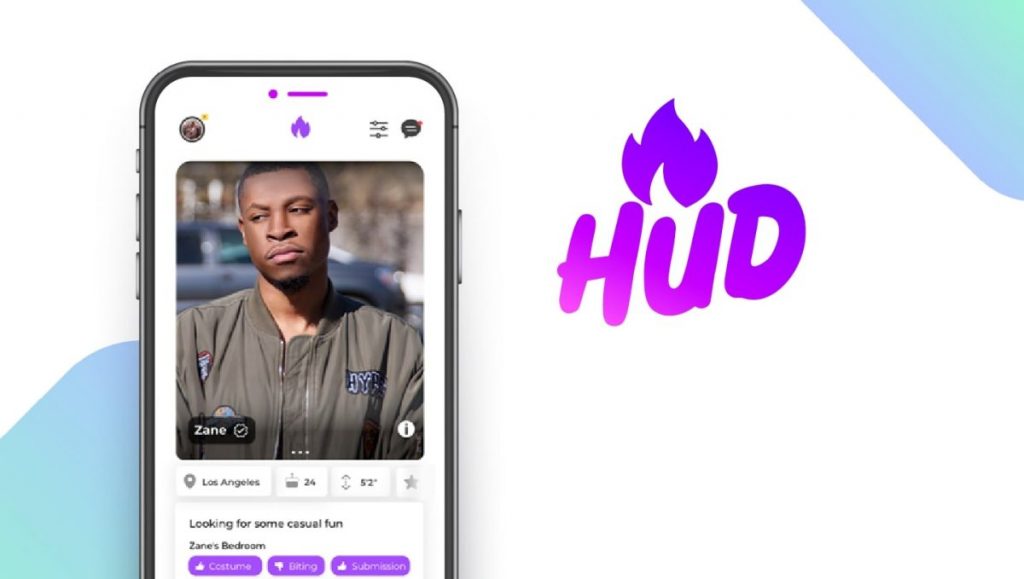
HUD dating app scams are a type of scam that takes place on dating apps that are geared towards casual relationships, such as hookups, dating, or casual sex. Scammers will often create fake profiles on these apps and use them to target vulnerable individuals looking for love. They may use a variety of tactics to lure their victims in, such as making promises of romantic relationships or sharing fake photos and personal information. The ultimate goal of the scammer is to extract money or personal information from the victim. These scams can be financially and emotionally damaging, so it’s important to be aware of them and know how to spot them.
HUD Dating App Scams: Common Tactics
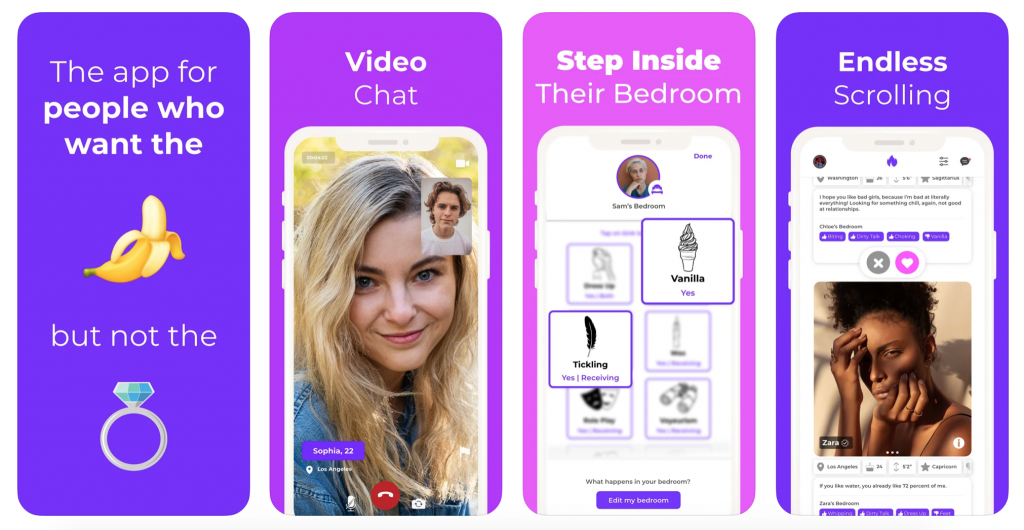
One common tactic used by scammers on HUD dating apps is creating fake profiles. They may use stolen photos and fake information to create a persona that is attractive and appealing to potential victims. They may also use the profiles to gain the trust of their victims before asking for money or personal information.
Scammers on HUD dating apps may also use the promise of a romantic relationship to lure victims in. They may send messages or messages that are overly affectionate or romantic, in an effort to build a connection with the victim. They may then use this connection to ask for money or personal information.
Another tactic used by scammers on HUD dating apps is to ask for money directly. They may claim to be in a financial crisis and ask the victim for money to help them out. They may also ask for the victim to send them gift cards or other forms of payment.
Scammers may also use the guise of a “emergency” situation to ask for money. They may claim to be stranded abroad or in a hospital, and ask the victim to send money to help them out. They may also ask the victim to wire money or provide credit card information.
Scammers may also use the pretext of a “investment” opportunity to ask for money. They may claim to have a business opportunity or investment opportunity and ask the victim to invest money in it. This is a common tactic to scam people out of their money.
Scammers may also use the tactic of sending links or attachments that can compromise the victim’s device. They may claim that the link or attachment is necessary for the relationship, when in reality it contains malware that can steal personal information from the victim’s device. This can compromise the victim’s online safety and lead to further scams. It’s important to be cautious about opening links or attachments from unknown sources.
How to Spot HUD Dating App Scams
In case you find yourself on the HUD dating app, it’s crucial that you be aware of how to spot the scams on the app. Here’s a list of how to spot them:
- Be suspicious of profiles that have only one or a few pictures and little to no personal information
- Be wary of messages that are overly affectionate or romantic, especially from someone you haven’t met in person
- Be cautious of requests for money or personal information, especially from someone you haven’t met in person
- Watch out for profiles that ask for personal information, such as your social security number or credit card information
- Be suspicious of profiles that claim to be located in one area, but their messages indicate another location
- Be cautious of profiles that claim to be in an emergency situation and ask for money or personal information
- Be suspicious of profiles that claim to have a business or investment opportunity and ask for money
- Watch out for profiles that ask you to open links or attachments, as these may contain malware or phishing attempts
- Do a reverse image search on the profile picture, if it’s a stock photo or someone else’s picture, it’s likely a scam
- Consider using a background check service to verify the person’s identity
- Be skeptical of profiles that move too quickly into a relationship and make unrealistic promises
- Be aware of profiles that want to quickly switch to communicating through personal email or chat apps instead of the dating app
What to Do If You Become a Victim of a Scam
The first thing you should do if you become a victim of a HUD dating app scam is to stop all communication with the scammer. This will prevent them from continuing to scam you and potentially scamming others.
Report the scam to the dating app, they can take down the scammer’s profile and warn other users. Additionally, you should report the scam to your local police department, as well as the Federal Trade Commission (FTC) in the US and other relevant regulatory bodies in other countries. This will help to bring the scammer to justice and prevent them from scamming others.
If you have sent money or provided personal information to the scammer, take immediate steps to protect yourself. This may include contacting your bank or credit card company to report the fraud, changing your passwords, and monitoring your credit report for unauthorized activity.
It’s also important to take care of yourself emotionally after falling victim to a scam. Scammers can take a toll on your emotions and self-esteem, it’s important to seek support from friends, family or professional help if needed. Remember that scammers are experts at manipulating people, and it’s not your fault that you fell victim to their tactics.
Tips for Protecting Yourself on HUD
- Be cautious of profiles that have only one or a few pictures and little to no personal information
- Be wary of messages that are overly affectionate or romantic, especially from someone you haven’t met in person
- Be cautious of requests for money or personal information, especially from someone you haven’t met in person
- Be suspicious of profiles that claim to be located in one area, but their messages indicate another location
- Be cautious of profiles that claim to be in an emergency situation and ask for money or personal information
- Be suspicious of profiles that claim to have a business or investment opportunity and ask for money
- Be suspicious of profiles that ask you to open links or attachments, as these may contain malware or phishing attempts
- Do a reverse image search on the profile picture, if it’s a stock photo or someone else’s picture, it’s likely a scam
- Consider using a background check service to verify the person’s identity
- Be skeptical of profiles that move too quickly into a relationship and make unrealistic promises
- Be aware of profiles that want to quickly switch to communicating through personal email or chat apps instead of the dating app
- Be careful about sharing personal information with someone you’ve met on a dating app, even if you think you know them well
- Use privacy settings on dating apps to limit the amount of personal information that is visible to others
- Be mindful of your emotions and don’t rush into a relationship, take your time to get to know the person
- Trust your gut and if something feels off, it’s better to be safe than sorry