 Multiple Faces Detected



 October 12th, 2021
Today is National Savings Day, and while you might be thinking that your money is protected, sometimes you can fall for a scam without even knowing it. Scammers have become super clever and have come up with sneaky ways to get their hands on your hard-earned money. Some scammers pretend to fall in love with their victims while other scammers pretend to have no-risk investment opportunities. No matter what the scam, we are committed to helping you keep your money safe and have come up with tips on how to protect your money from online scams.
National Savings Day: How to Protect Your Money From Online Scams

Educate yourself on scams and stay updated with Social Catfish. We write blogs on a daily basis that explain different types of scams and how to avoid them. We also offer resources such as our reverse search, in-depth search, and YouTube videos that share different romance scam stories from many people. To stay updated, run a search on someone who you think is scamming you and see if they are who they say they are.
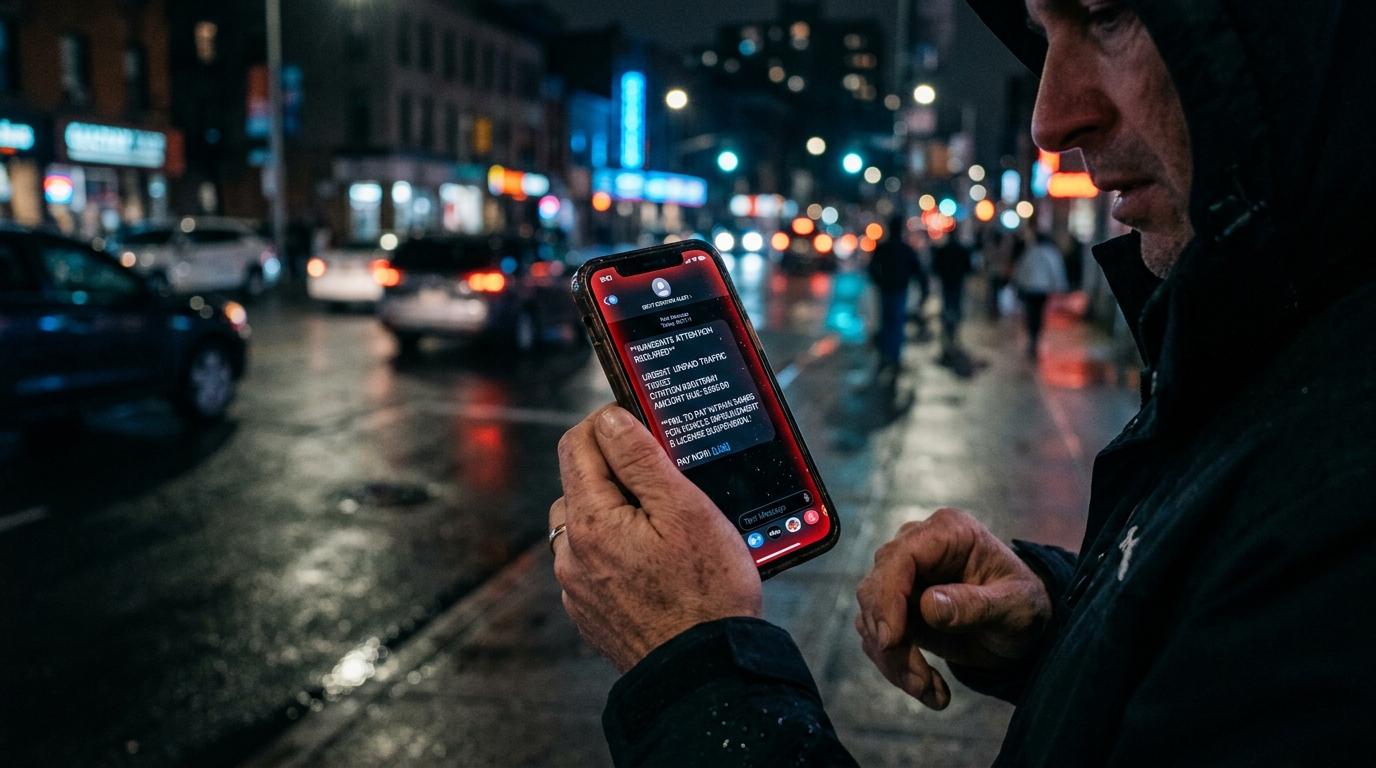
Do not open suspicious text messages or emails, and don’t open links attached to these messages. If you notice that you got a text message or email with a suspicious message or subject line, the best thing you can do is delete it. This is true especially for messages that contain threats, shopping ads, or requests to send someone money. If you are not familiar with the sender and it contains any of these things, block the sender and delete the message immediately.
Do your research on an online shopping site before shopping on it. Scammers create fake websites and pose as online stores so that way they can trick many people out of their hard-earned cash. Victims fall for these scams, thinking that these sites are legit and can give them the best deals. If you notice an unfamiliar online shopping site, make sure to do your research on reviews before giving the website a try.
Don’t give anyone remote access to your computer for any reason. Scammers pretend to be tech support and claim that they need access to your computer in order to fix it. However, once they get access to your computer, they start snooping your device for any sensitive information that might be on it. This could include your personal information, financial information, or account log-in information to any of your online accounts. If someone claims you need service on your computer, the best thing to do is to go to an authorized computer technician in person at their local shop.
Don’t get into a serious relationship with anyone online until you video chat with them first. Many romance scammers rush their relationships with their victims by claiming that they love them and want to be with them forever way too soon. They claim to have everything in common with their victims to make them feel like there’s some sort of connection between them. Then once they make their victims fall in love with them and gain their trust, they ask for money for emergency excuses. In order to avoid these romance scammers, make sure to video chat with them before getting into a serious relationship with them. This will help you verify whether or not they are real before you continue to talk to them.

Don’t give anyone any money online for any reason. Scammers will do and say anything they can to get their hands on your money. They will threaten you, try to sell you something, claim you won something, and even pretend to fall in love with you to get what they want. The best thing you can do is not give money to anyone that you met online for any reason. If someone really needed help, they would ask their loved ones for help. If someone was serious with their threats, then the action would follow through with it. If you ever feel like your safety is being threatened call local authorities immediately and don’t give the scammer money.
Keep your personal details to yourself and don’t give them to anyone online. Your personal details such as your full name, social security number, birth date, security questions, and other sensitive information should be kept to yourself and no one else. If anyone else is trying to get this information out of you in order for you to purchase something, open an account up, or is trying to trick you into logging into your account, block them immediately. They are most likely trying to scam you out of money. There are also people who will pretend to be the IRS and claim you are in trouble in order to get their hands on your information. If this phone call happens to you, hang up on them immediately.
Set strong passwords for your online accounts. If you use one password for every single online account, then you make it easier for scammers to access all of your online accounts. One password is equivalent to one key that could be used to unlock many online accounts. However, if you create multiple strong passwords for each account, you create many keys that unlock many online accounts. Therefore, if a scammer has access to one account, then they couldn’t gain access to another one of your accounts unless they guessed that password too.
Make sure you are on a secure Internet connection. If you are on a public wi-fi connection, do not log in to any accounts that may contain sensitive information. This could be your banking account, online shopping accounts, or other accounts that may contain your sensitive information. Instead, make sure you are on your own personal secure network before accessing this information.
Keep an eye on your bank account every day to make sure no one else has access to your funds. By keeping an eye on your bank account each day, you can always see how much money is taken out each day and where it is going. This will help you make sure that no one else has access to your bank account but you. If you know where each purchase was made, then you know your bank account is secure. However, if you notice that there are unfamiliar purchases within your bank account, this might mean that a scammer has access to it.
Keep Your Money Safe with Social Catfish!
At Social Catfish, we want to help you verify the identities of those who might seem suspicious to you on National Savings Day. If you have their name, email address, phone number, social media username, or image, you can reverse search and see who the suspected person was that you’ve been in contact with when trying to protect your money from scammers on National Savings Day!