
 Multiple Faces Detected


 October 11th, 2023
Communication has evolved into a realm where anonymity and privacy often reign supreme. As we navigate the intricate web of messages and phone calls, the use of fake number apps has become an increasingly common practice. These apps enable users to disguise their true identities and contact information, raising important questions about trust and transparency in our interconnected world. In this blog post, we’ll delve into the art of detecting whether someone is employing a fake number app, equipping you with the knowledge to decipher between genuine connections and those obscured behind a virtual curtain. Whether you’re a cautious dater, a vigilant business owner, or simply curious about this hidden facet of modern communication, join us in unraveling the mystery of identifying these digital disguises.
Understanding The World of Fake Number Apps
In a world where communication is predominantly digital, fake number apps have become increasingly prevalent. These apps offer a cloak of anonymity, allowing users to interact with others while concealing their true identities. This anonymity can be alluring for various reasons, but it also opens the door to deceptive and sometimes malicious activities. It’s essential to recognize the wide range of purposes these apps can serve, as not all users have ill intentions. Some may use fake number apps for personal privacy or security, while others may exploit them for fraudulent activities, making it important to understand the context in which these apps are employed.
How Fake Number Apps Work
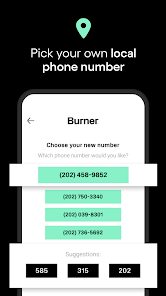
Fake number apps operate by providing users with virtual or secondary phone numbers that can be used for texting and calling. These numbers are typically generated through internet-based services and are not tied to a physical SIM card or a specific phone. This means that users can easily change or dispose of these numbers, making it challenging to track their true identities. By offering disposable, untraceable numbers, these apps create an environment where users can engage with others without revealing their actual phone numbers or the associated personal information.
The Motivations Behind Fake Number App Use
Understanding the motivations behind using fake number apps is a crucial aspect of recognizing their implications. Individuals may employ these apps for a range of reasons. Some use them to maintain privacy and safeguard their primary phone numbers from potential spam, telemarketers, or unwanted contacts. Others may use fake numbers in the world of online dating or social media to interact with new acquaintances while avoiding potential harassment or abuse. On the darker side, these apps can be harnessed by scammers and fraudsters to deceive, manipulate, or perpetrate crimes. Recognizing that people use fake number apps for various purposes can help individuals make informed decisions about their interactions.
Recognizing and Responding to Fake Number Apps
With the awareness that fake number apps exist and are being employed for a multitude of purposes, individuals can better navigate the digital landscape. Whether it’s in the context of online dating, business interactions, or personal relationships, recognizing the signs of a fake number is an important skill. Learning how to identify these numbers and understanding the motivations behind their use enables individuals to make informed decisions about whom they engage with and how they protect themselves in a world where communication can be both a convenience and a risk.
Spotting Red Flags in Conversations
Spotting red flags in conversations is an essential skill when dealing with individuals using fake number apps. Some common signs of suspicious behavior include a reluctance to share personal information, being excessively secretive, or refusing to have voice or video calls. If the person on the other end avoids answering direct questions or offers inconsistent details about themselves, it may be an indication that they are not who they claim to be.
Unusual Requests or Stories: Another red flag is when someone makes unusual requests or tells improbable stories. Scammers or deceptive individuals often use fake numbers to engage in fraudulent activities, such as requesting money or sharing fabricated sob stories. Being cautious when encountering such narratives and verifying the authenticity of requests can help protect against potential scams.
Excessive Flattery or Rapid Escalation: If a conversation rapidly escalates in intensity or becomes excessively romantic, be cautious. Some individuals may use fake number apps to create emotionally charged connections. Their goal could be to manipulate or scam others by gaining their trust through flattery and affection. Recognizing this tactic can prevent falling into emotional traps.
Inconsistencies in Communication: Inconsistent communication can also be a sign of suspicious activity. If someone frequently changes their phone number or uses multiple numbers, it may be an indication of deceptive behavior. Additionally, be wary if the person’s writing style or tone fluctuates significantly, as this could suggest the involvement of multiple individuals or insincere intentions.
Investigating the Number Itself
When attempting to identify whether someone is using a fake number app, it’s essential to investigate the number itself. Look for telltale signs of authenticity or deception. First, check if the area code matches the location the person claims to be from. If there is a significant mismatch, it could be a sign that the number is not genuine. However, some individuals may have legitimate reasons for having a different area code, so consider this in context.
One effective way to investigate a number is by conducting a simple Google search. Enter the number in question into the search engine and see if any results appear that link it to known scam reports or fraudulent activities. This can provide valuable insights into whether the number has been associated with deceptive behavior in the past. It’s not a foolproof method but can be an initial step in the investigation.
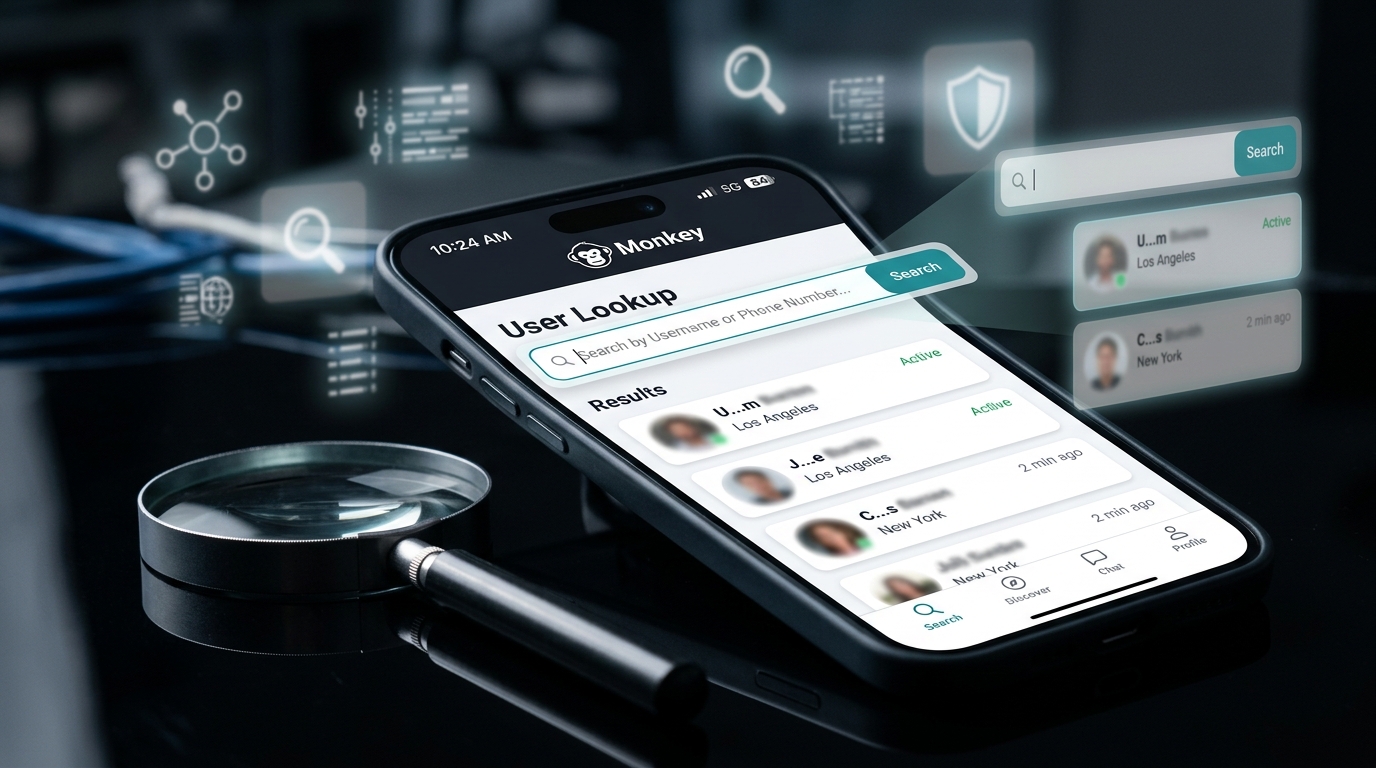
Numerous online services offer reverse phone lookup, allowing you to identify the owner of a specific number. While these services often require a fee, they can provide detailed information about the number’s owner, including their name, location, and whether it’s a landline or mobile number. If you’re concerned about a number’s authenticity, using such a service can help uncover more details.
Navigating Real-Life Scenarios: Dating, Business, and More
Real-life scenarios often involve interacting with individuals you meet online, whether it’s for dating, business, or other purposes. While some people use fake number apps for deceptive behavior, others may have legitimate reasons for doing so. When it comes to dating, be cautious but open-minded. Verify a person’s identity as best as you can and take your time building trust.
In business, communication is crucial, and sometimes sharing phone numbers is a necessity. However, exercise caution when engaging with someone using a number from a fake number app. It’s essential to have a secure communication channel and conduct thorough background checks.
Maintaining a balance between safety and trust is key when navigating these scenarios. Investigate the numbers and individuals when necessary, but remember that not everyone using a secondary number has ill intentions. These tools can also be used for privacy or security reasons, and it’s important to approach each situation with an open mind while safeguarding your well-being.