Multiple Faces Detected


 August 28th, 2021
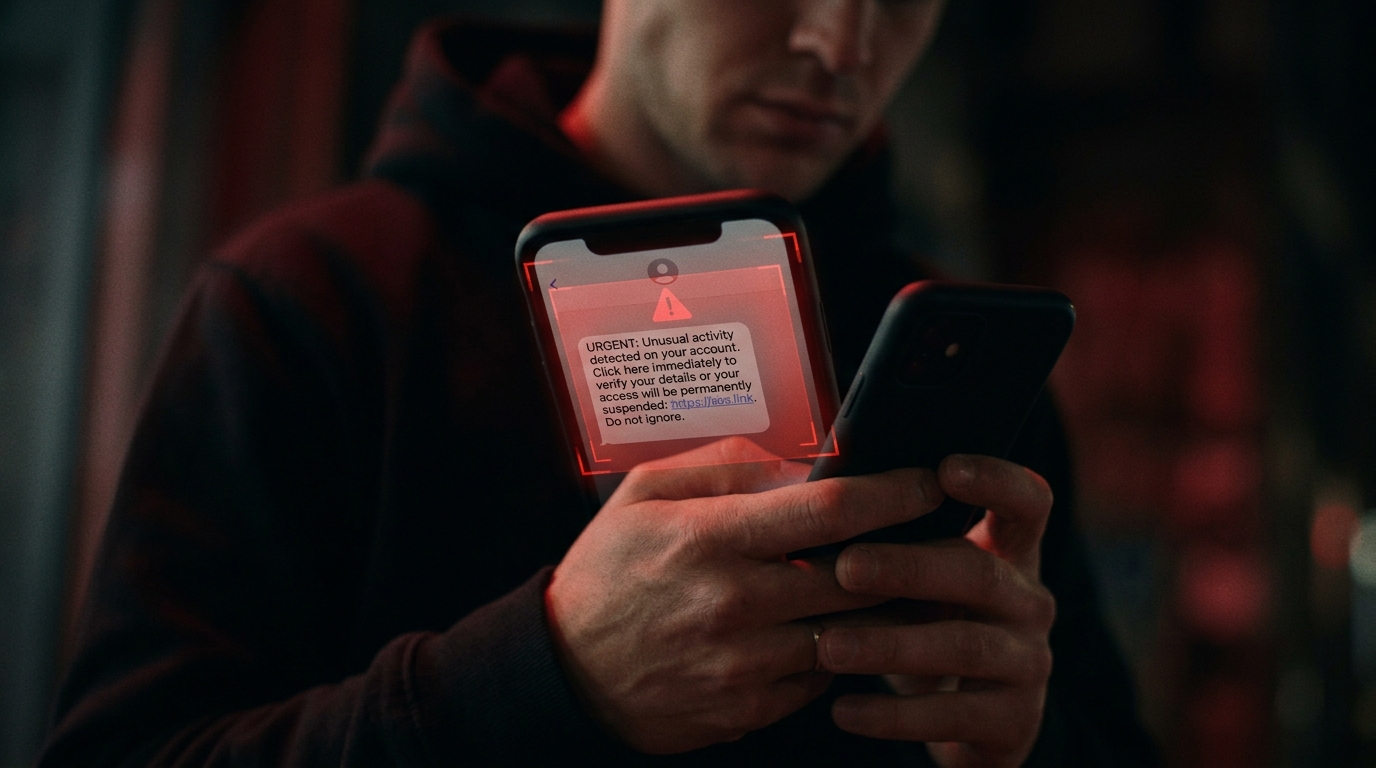
When you notice a local number calling you, you will most likely pick it up. However, scammers can easily alter their caller ID and make it look like it’s from a reputable organization. So, what you think is a harmless call might be a trap to steal your money. Below, we’ll talk about how to tell if you’ve been a victim of a scam phone number, how to report a scam phone number, and how you can avoid phone scams. Continue reading to learn what to do in case you get deceptive calls again!
How to Tell if a Call is From a Scam Phone Number

Nobody would wish to go through the stressful and painful process of being a scam victim. However, it’s vital to be able to identify if been a victim of a phone scam through these signs:
You Get Rejected for Credit
If you’re confident that you have good credit, but you’ve been rejected by the bank, then something must have happened to your account. A scammer might have stolen your identity during a phone call and used your account to buy products and services or apply for loans. Given this, monitoring your credit file is necessary to help you spot fraudulent transactions under your name.
Your Device Is Infected
Another way to tell that you’ve been a victim of a phone scam is you have a virus — not COVID-19 but a computer virus. Scam artists may have called you and pretended to be from tech support. They offered to fix a problem with your device, but in reality, they installed spyware, viruses, and other software that would help them access your device and steal your personal information. So, if your device suddenly crashes or you see excessive pop-ups and ads, your device might be infected, and your personal information could be at risk.

You Were Rushed
If you were pressured to give your personal information for updating purposes or allow remote access to your device, you may have been a victim of a phone scam. As scammers usually speak with urgency, you might end up panicking and following their requests. However, no legitimate bank or organization would force you to do anything right away.
You Receive Calls From Government Agencies
A clear indication that you’ve been a victim of a phone scam is when an unexpected caller claims to be working for government agencies, like the Social Security Administration or Internal Revenue Service (IRS). These organizations will not call you out of the blue and collect your personal information forcefully.
How To Report a Scam Phone Number

If you think you’ve just talked to a con artist, here’s how to report a scam phone number:
- Send a complaint to the Federal Trade Commission (FTC). On their page, click the Report Now Provide sufficient details, including the time and date of call, caller ID, name, and so on. Doing so helps the agency determine the trends and spread public awareness, preventing others from falling into the scammers’ trap.
- For identity theft, submit your complaint to the FTC, and answer specific questions regarding the phone scam, including the total amount of fraudulent charges and the company name used.
- If you think the scam phone number comes from a foreign country, file a complaint with the International Consumer Protection and Enforcement (ICPEN).
- You can also report scam calls through the Federal Communications Commission (FCC). Fill out the form, describe the incident, and include attachments for faster investigation.
- For extreme cases, contact law enforcement agencies, like the Federal Bureau of Investigation (FBI), to help you address scam calls.
How To Avoid Calls From a Scam Phone Number

Scammers may have gotten more creative and resourceful, but you can avoid phone scams with these steps:
- Avoid picking up calls from unrecognized numbers. If you happen to answer it, end the call immediately.
- Never reveal your sensitive information, including your Social Security numbers, bank account details, or your address.
- Do not assume that someone’s caller ID is legitimate. Scammers can copy those of tech companies like Microsoft or government agencies like the Social Security Administration.
- Do not get tricked into answering close-ended questions. If you said yes, they could make it look like you’ve given the signal to purchase a product or service you don’t even need.
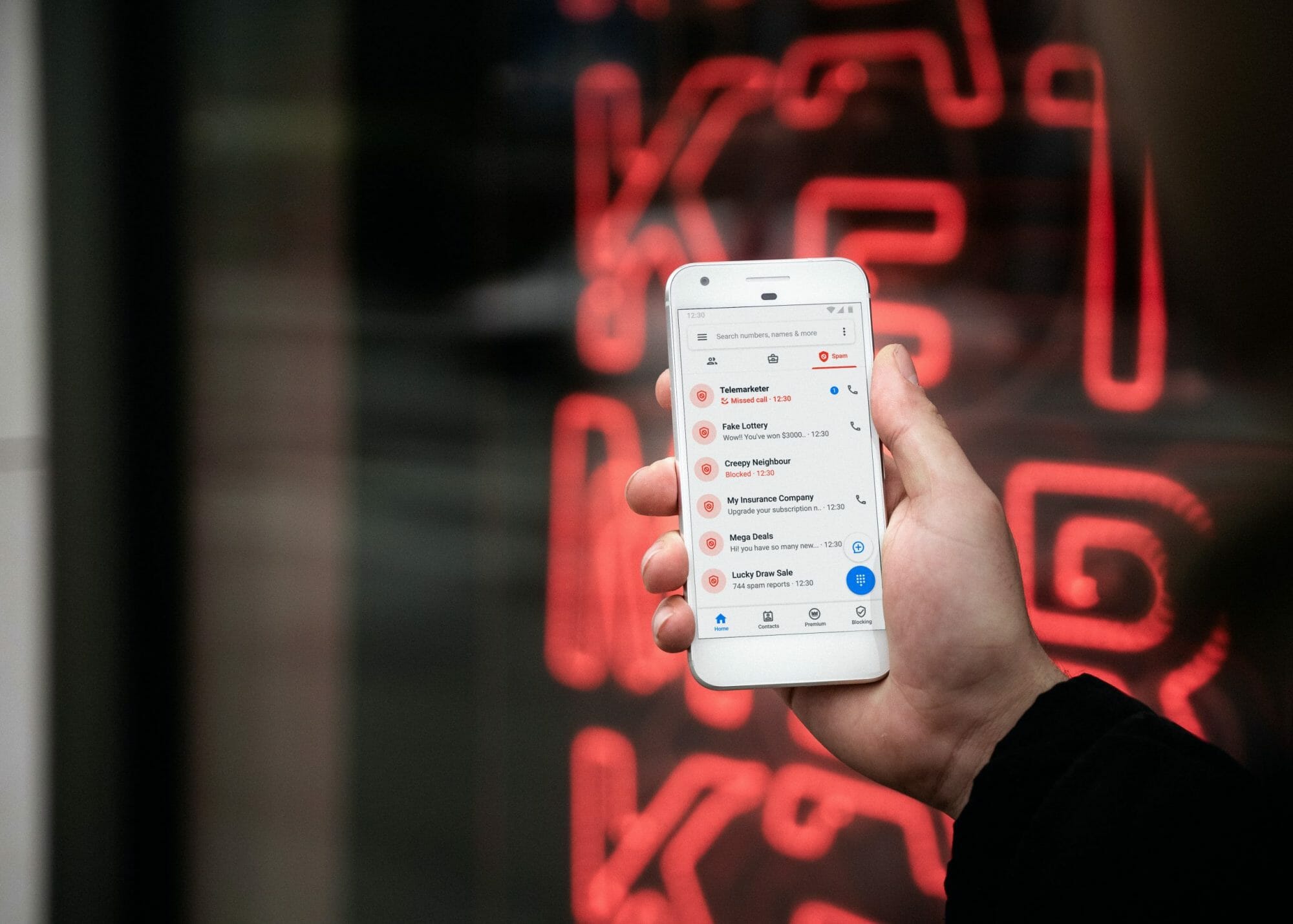
- Contact your phone carrier, and ask what bocking tools and applications you can use to stop unsolicited calls.
- Add your phone number on the Do Not Call List to avoid getting telemarketing calls.
- Do not allow remote access to your device no matter how the caller would make you believe it’s necessary.
- Beware of callers promising huge discounts and even freebies. They’re most likely not true.
Recognize Phone Scams With Social Catfish
Identifying scam calls may be tricky as fraudsters can easily modify their number to look like a legitimate local number. So, take note of how to report a scam phone number if you encounter one. Spot these scammers within seconds by using Social Catfish’s reverse search platform!