Multiple Faces Detected


 February 28th, 2024
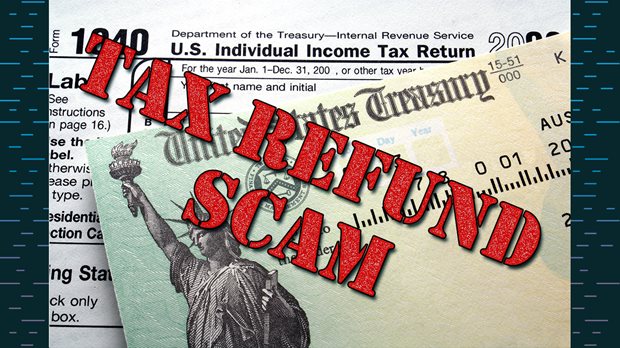
Tax season can be a stressful time for many adults, but it can also be a prime opportunity for scammers to take advantage of unsuspecting individuals. With the rise of technology and online filing options, tax refund scams have become more prevalent in recent years. These scams can lead to financial loss, identity theft, and other serious consequences. In order to protect your finances and personal information, it’s important to be aware of the different types of tax refund scams and how to avoid them. In this blog post, we’ll discuss the most common tax refund scams and provide tips on how to protect yourself.
What are Tax Refund Scams?
Tax refund scams are fraudulent activities that aim to steal personal information or money from individuals during tax season. These scams can take many forms, such as phone calls, emails, or even fake websites. The goal of these scams is to trick individuals into providing sensitive information, such as social security numbers or bank account information, or to make fraudulent payments.
Scammers often target individuals who are expecting a tax refund, as they are more likely to fall for their schemes. They may also use tactics such as posing as IRS agents or tax preparation companies to appear legitimate. It’s important to note that the IRS will never contact individuals via phone, email, or social media to request personal information or payment.
Types of Tax Refund Scams
There are several different types of tax refund scams that individuals should be aware of:
1. Phishing Scams
Phishing scams involve scammers sending emails or creating fake websites that appear to be from legitimate sources, such as the IRS or a tax preparation company. These emails or websites will often ask individuals to provide personal information, such as social security numbers or bank account details, under the guise of needing this information to process their tax refund. In reality, this information is used to steal identities or make fraudulent purchases.
2. Phone Scams
In phone scams, scammers will call individuals claiming to be IRS agents or tax preparation companies. They may use aggressive tactics, such as threatening legal action or arrest, to pressure individuals into providing personal information or making payments. These calls can be very convincing, as scammers can use technology to spoof their phone numbers to appear as if they are calling from a legitimate source.
3. Identity Theft Scams
Identity theft scams involve scammers using stolen personal information, such as social security numbers, to file fraudulent tax returns and claim tax refunds in the victim’s name. This can lead to delays in receiving legitimate tax refunds, as well as other complications such as having to prove one’s identity to the IRS.
4. Fake Tax Preparation Companies
Some scammers may pose as legitimate tax preparation companies in order to obtain sensitive information from individuals. They may offer their services at a lower price than legitimate companies, but in reality, they are only interested in stealing personal information.
Tips to Protect Yourself from Tax Refund Scams
Now that you are aware of the different types of tax refund scams, here are some tips to help protect yourself:
1. Be cautious of unsolicited calls or emails
If you receive a call or email from someone claiming to be from the IRS or a tax preparation company, be cautious. The IRS will never contact individuals via phone, email, or social media to request personal information or payment. If you are unsure, hang up or delete the email and contact the IRS directly to confirm the legitimacy of the call or email.
2. Secure your personal information
One of the best ways to protect yourself from tax refund scams is to safeguard your personal information. This includes your social security number, birth date, and bank account information. Be cautious about sharing this information, especially online or over the phone.
3. File your taxes early
Filing your taxes early can help minimize the risk of falling victim to tax refund scams. If you file your taxes before a scammer has the chance to file a fraudulent return in your name, you are less likely to encounter any issues.
4. Use secure methods to file your taxes
When filing your taxes, make sure to use secure methods such as certified mail or e-filing through a trusted tax preparation company. Avoid filing your taxes through public Wi-Fi or on shared computers, as this can make your personal information vulnerable to hackers.
5. Research tax preparation companies
If you choose to use a tax preparation company, be sure to do your research and choose a reputable and trusted company. Look for reviews and check their credentials to ensure they are legitimate.
6. Keep an eye on your credit report
Regularly checking your credit report can help you identify any suspicious activity, such as unauthorized credit inquiries or new accounts opened in your name. This can be a sign of identity theft, which could be a result of falling victim to a tax refund scam.
What to Do If You Become a Victim of a Tax Refund Scam
If you believe you have fallen victim to a tax refund scam, it’s important to take action immediately:
1. Contact the IRS
If you have provided personal information or made a payment to a scammer, contact the IRS immediately. They can help you identify any fraudulent activity and take steps to protect your identity.
2. File a report with the FTC
You can file a report with the Federal Trade Commission (FTC) to report the scam and help prevent others from falling victim to the same scheme.
3. Monitor your accounts
Keep a close eye on your bank and credit card accounts for any suspicious activity. If you notice any unauthorized charges, report them to your bank or credit card company right away.
4. Consider placing a fraud alert
You can place a fraud alert on your credit report to help prevent any further fraudulent activity. This alert will notify lenders and creditors to take extra precautions when verifying your identity.
Conclusion
Tax refund scams can be a major threat to your finances and personal information. By being aware of the different types of scams and following the tips outlined in this blog post, you can protect yourself and avoid becoming a victim. Remember to always be cautious when sharing personal information and to stay informed about the latest scams.
Have you or someone you know been a victim of a tax refund scam? Share your experience in the comments below to help others avoid falling for similar scams. Together, we can work towards protecting our finances and personal information during tax season.