
 Multiple Faces Detected


 July 4th, 2024
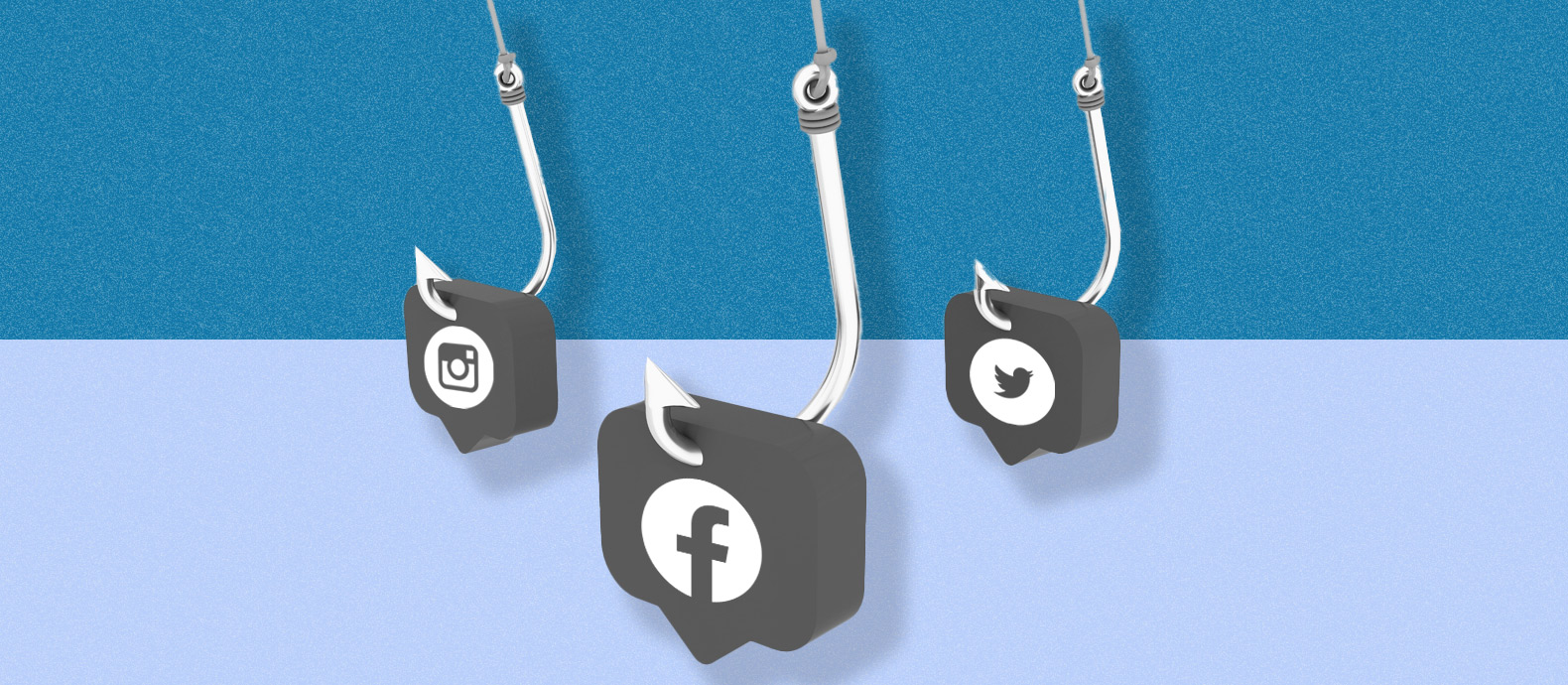
Welcome to my hilarious blog post on the evolution of phishing in social networks! As we all know, phishing is a form of cyber attack where scammers try to trick people into giving away their personal information, such as passwords or credit card numbers. And with the rise of social media, phishing has taken on a whole new level of absurdity. So let’s take a journey through the evolution of phishing in social networks, and have a good laugh along the way.
The Rise of Social Engineering Tactics
As phishing tactics have evolved, social engineering has become a critical component of many scams. Social engineering involves manipulating individuals into divulging confidential information or performing actions that compromise their security. Scammers often use social engineering to create a sense of urgency or fear, convincing victims to act quickly without thinking. For instance, a scammer might impersonate a trusted figure, like a bank representative or a family member, to gain access to sensitive information. This psychological manipulation can be very effective, as it exploits basic human emotions and the inherent trust we place in familiar entities.
Social engineering tactics also extend to social networks, where scammers might join groups or forums to gather personal information about their targets. By understanding the interests and behaviors of their potential victims, scammers can craft more convincing messages that are tailored to specific individuals. For example, they might send a phishing message that appears to come from a favorite brand or hobby group, making it more likely that the recipient will trust the message and fall for the scam. As such, it is crucial to remain vigilant and skeptical of unsolicited messages, even if they appear to come from familiar sources.
The Early Days: “You’ve Won a Free iPad!”
Remember when Facebook was just starting out and everyone was excited to connect with old friends and share photos? Well, scammers saw this as the perfect opportunity to prey on unsuspecting users. They would create fake accounts and send out messages claiming that the recipient had won a free iPad or some other amazing prize. All they had to do was click on a link and enter their personal information. And let’s be honest, who wouldn’t want a free iPad? But of course, it was all a scam.
As ridiculous as it sounds now, people actually fell for this. And thus, the era of “you’ve won a free iPad” phishing scams was born.
The Rise of Fake Profiles
As social media platforms became more popular, scammers got smarter. They started creating fake profiles that looked like real people, complete with photos and personal information. These fake profiles would then send friend requests to unsuspecting users, and once accepted, they would start sending messages asking for personal information or money.
This type of phishing is not only annoying, but it can also be quite creepy. Imagine getting a friend request from someone who looks exactly like your cousin, only to find out it’s a scammer trying to steal your identity. Talk about a buzzkill.
The “Nigerian Prince” Scam Goes Social
We’ve all received those emails from a “Nigerian prince” claiming to have a large sum of money that they need help transferring out of the country. Well, scammers have now taken this classic email scam and brought it to social media.
You might see a message from a random person claiming to be a wealthy businessman who needs your help to transfer money out of their country. And of course, they promise to give you a cut of the money for your troubles. But as we all know, this is just another form of phishing. So unless you want to end up like those poor souls who fell for the original “Nigerian prince” email scam, just ignore these messages.
The “Friend in Trouble” Scam
This is one of the most devious forms of phishing in social networks. Scammers will hack into a person’s account and send messages to all of their friends claiming to be in trouble and in need of money. They might say they lost their wallet while traveling or that they got mugged and need money for medical expenses. And because the message is coming from a friend’s account, people are more likely to believe it and send money.
This scam not only preys on people’s trust in their friends, but it also takes advantage of their desire to help someone in need. And unfortunately, many people have fallen for this scam and lost money in the process. So if you ever receive a message like this, make sure to verify with your friend through another form of communication before sending any money.
The Impact of Deepfake Technology
One of the more recent and concerning developments in phishing is the use of deepfake technology. Deepfakes are artificially created videos or audio recordings that convincingly mimic real people, often with the intent to deceive. This technology has been used to create fake video calls or voicemails that appear to be from trusted contacts, adding a new layer of complexity to phishing scams. For instance, a scammer might use deepfake technology to impersonate a CEO and instruct employees to transfer funds to a fraudulent account. The realism of deepfakes makes it harder for individuals to discern truth from deception, increasing the risk of falling for these sophisticated scams.
The potential for deepfakes in phishing scams extends beyond individual targets to broader societal impacts. For example, deepfake videos could be used to spread misinformation or discredit public figures, thereby influencing public opinion and causing widespread distrust. The challenge for cybersecurity experts and individuals alike is to stay ahead of these technological advancements and develop tools and strategies to detect and counteract deepfakes. As technology evolves, so too must our methods for safeguarding against these increasingly sophisticated threats.
The Future of Phishing in Social Networks
As technology continues to advance, so do the methods of phishing in social networks. We can expect to see more sophisticated scams that are harder to detect. But fear not, there are ways to protect yourself from falling victim to these scams.
First and foremost, always be cautious when clicking on links or giving out personal information online. If something seems too good to be true, it probably is. Also, make sure to regularly update your passwords and enable two-factor authentication whenever possible. And most importantly, educate yourself and others about the different types of phishing scams so that we can all stay one step ahead of the scammers.
Conclusion
Phishing in social networks may be evolving, but so are our defenses against it. And let’s be honest, some of these scams are just too ridiculous not to laugh at. So the next time you receive a message from a “Nigerian prince” or a friend in trouble, just remember to use your common sense and have a good chuckle. Stay safe out there, folks!
Thanks for reading my blog post on the evolution of phishing in social networks. I hope you found it both informative and entertaining. And remember, always be cautious and stay one step ahead of those pesky scammers. Until next time, happy scrolling!