 Multiple Faces Detected


 June 24th, 2024
Father’s Day is just around the corner and many of us are looking for ways to show our appreciation for the dads in our lives. One popular way to do so is by taking advantage of Father’s Day freebies and deals. But before you start filling out forms and giving away your personal information, it’s important to know the truth about these offers and how to avoid falling for scams and frauds.
What Are Father’s Day Freebies?
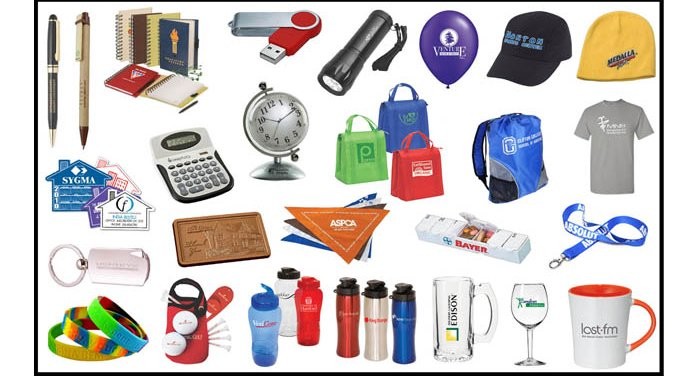
Father’s Day freebies are promotions and deals offered by businesses and brands to celebrate the holiday. These can range from free meals and drinks to discounts on products and services. Many companies use these offers as a way to attract new customers and show appreciation for existing ones.
The Scam: Fake Freebies
Unfortunately, not all Father’s Day freebies are legitimate. Scammers often take advantage of the holiday season to lure in unsuspecting victims with fake offers. These scams can come in various forms, such as fake websites, social media posts, and emails.
One common tactic is to ask for personal information, such as your name, address, and credit card details, in exchange for the freebie. This information can then be used for identity theft or to make unauthorized purchases. In some cases, the freebie may not even exist, and the scammer is simply looking to collect personal information.
The Fraud: Hidden Costs
Another way scammers take advantage of Father’s Day freebies is by hiding additional costs. For example, a restaurant may offer a free meal for dads, but then charge for drinks or sides. Or a company may offer a free product, but require you to pay for shipping and handling.
While these may not be outright scams, they can still be considered frauds as they are misleading and not truly free. It’s important to read the fine print and understand all the terms and conditions before taking advantage of a Father’s Day freebie.
How to Avoid Scams and Frauds
Now that you know the potential risks of Father’s Day freebies, here are some tips to help you avoid falling for scams and frauds:
- Do your research: Before signing up for a freebie, do some research on the company or brand offering it. Check their website and social media pages to ensure they are legitimate.
- Read the fine print: Make sure to read all the terms and conditions before taking advantage of a freebie. Look for any hidden costs or requirements.
- Use a separate email address: Consider creating a separate email address specifically for signing up for freebies. This way, if your email is compromised, your personal email won’t be affected.
- Never give out personal information: Be cautious of any freebie that asks for personal information, such as your social security number or credit card details. Legitimate freebies should not require this information.
- Be wary of links: If you receive an email or see a social media post advertising a freebie, be cautious of clicking on any links. These could lead to fake websites or download malware onto your device.
- Trust your instincts: If something seems too good to be true, it probably is. Trust your instincts and don’t be afraid to pass on a freebie if it doesn’t feel right.
Spotting Phishing Attempts
Phishing emails are a common tactic used by scammers to trick individuals into revealing personal information or clicking on malicious links. These emails often appear to be from legitimate companies or brands offering enticing Father’s Day deals or freebies. They may include official logos, persuasive language, and links to fake websites designed to look like the real thing. To recognize phishing emails, look for telltale signs such as poor grammar and spelling, generic greetings (e.g., “Dear Customer”), and mismatched email addresses that don’t align with the official company domain. Be particularly wary of urgent calls to action, such as “Act now!” or “Verify your account.”
To protect yourself from phishing attacks, never click on links or download attachments from unsolicited emails. Instead, visit the official website of the company by typing the URL directly into your browser. Use email filters to reduce the number of phishing emails that reach your inbox and enable multi-factor authentication (MFA) on your accounts for an extra layer of security. Regularly update your passwords and use unique passwords for different accounts to limit the damage if one is compromised. If you receive a suspicious email, report it to the company it supposedly came from to help protect others.
Legitimate Father’s Day Freebies
Despite the risks, there are still many legitimate Father’s Day freebies out there. Here are some examples of offers you can trust:
- Free meals at restaurants: Many restaurants offer free meals or desserts for dads on Father’s Day. Just make sure to check the terms and conditions beforehand.
- Discounts on products and services: Some companies offer discounts on their products or services for Father’s Day. These can be a great way to save money while still showing your appreciation for dad.
- Free events and activities: Check your local community for free events and activities happening on Father’s Day. These can be a fun and budget-friendly way to celebrate with dad.
Using Secure Payment Methods
When shopping online, using a credit card is generally safer than using a debit card. Credit cards offer better fraud protection, and most credit card companies have policies that limit your liability in the case of fraudulent transactions. Additionally, credit cards often come with built-in security features such as fraud alerts and the ability to dispute charges, providing an extra layer of protection. In contrast, debit cards draw directly from your bank account, which can make it more difficult to recover lost funds if your information is compromised.
Another secure payment option is using digital wallets and payment services like PayPal, Apple Pay, or Google Wallet. These services add an extra layer of security by acting as intermediaries between your credit card information and the merchant. They use encryption and tokenization to protect your data, reducing the risk of your information being stolen during a transaction. Additionally, these services often offer their own dispute resolution processes, making it easier to handle any issues that arise from fraudulent activity. By utilizing these secure payment methods, you can significantly reduce your risk of falling victim to online shopping scams.
Conclusion
Father’s Day freebies can be a great way to show your love and appreciation for the dads in your life. However, it’s important to be aware of the potential risks and take precautions to avoid falling for scams and frauds. By following the tips outlined in this post, you can enjoy the holiday without worrying about compromising your personal information or falling for a fake offer. Happy Father’s Day!