Multiple Faces Detected


 January 21st, 2026
Labor Day is meant to honor the contributions and sacrifices of American workers — both the past and present. It also marks the end of summer, which means you can go on your last summer trip or enjoy some barbecue sessions and picnics with family and friends. However, instead of paying tribute to workers’ achievements, scammers take this important holiday as an opportunity to make money the easy way. If you want to know the different types of scams that happen during Labor Day, and how to avoid Labor Day scams, keep reading!
Types of Scams That Happen During Labor Day

To help you enjoy and maximize your Labor Day weekend, beware of the following types of scams during the holiday:
Shopping Scams
From appliances and furniture to home decor and clothing, Labor Day sales allow you to get various high-quality products at the best prices possible. However, while you might be enjoying shopping straight from your home, scam artists are also busy creating fake stores while hiding behind their computer screens. They will offer various items at the lowest rates, even offering some freebies. However, the goods will never arrive, or if they do, they turn out defective and substandard.
Fake Sites
In relation to online purchase scams, fake sites are rampant during Labor Day. Scammers will copy the sites of legitimate e-commerce stores — from their logo, company photos, to the products. However, if you check the Contact page, you might discover that the details are different. There is not much information provided because the site has just been created. If you see basic spelling errors and the prices are too good to be true, then you might just have landed on a fake website.

Vacation Scams
Given the three-day long weekend, you might be excited to go on a quick vacation with the rest of your family before summer officially ends. However, according to the Better Business Bureau (BBB), vacation scams are one of the most commonly reported scams during Labor Day. Some scammers will advertise free vacation trips. Others will post fake ads offering hotels and rental houses at low rates but complete with amenities.
After sending your payment, you’ll soon find out that the vacation house is non-existent, or amenities are lacking. Scammers suddenly disappear, and you can no longer recover your money. That is why you should first do thorough research before booking your flight, hotel, and other travel needs.
Phishing
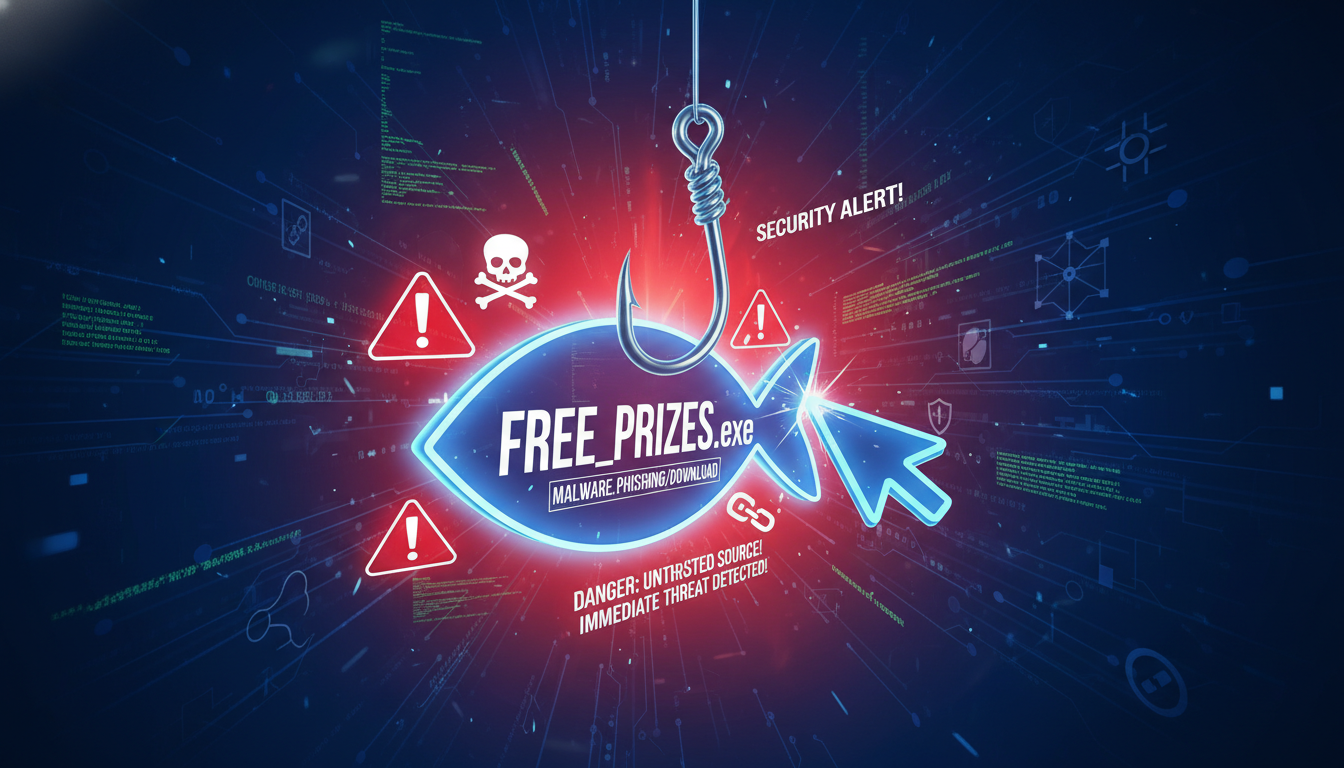
One of the most popular types of scams, especially during holidays, is phishing. You will receive messages via text, email, or social media about crazy deals. Then, scammers will share a link for you to claim the discounts or prizes. However, once you open the link, you will have to enter your financial and personal information. These suspicious links may also contain a computer virus, infecting your device and allowing them to access your sensitive information.
How To Avoid Labor Day Scams

As you can’t expect everyone to celebrate the true meaning of Labor Day, learn how to avoid Labor Day scams with these tips:
- Only shop from reputable sites and stores. To make sure you’re visiting the legitimate site and not some copycat, manually enter the web address.
- Conduct research before making any purchase. Read reviews online. Check the records of the store through BBB. Find out whether there were previous complaints about their products and services, or whether the store exists in the first place.
- Compare prices from different stores before paying for any product. This way, you will know which deals are reasonable and which are not.
- Do not click on strange links sent via text message or email. You might just be risking your device and personal information.
- Read privacy, delivery, and refund policies. This might take a little bit of your time, but knowing these details will help you determine whether the store is real or not. Scammers may take extra effort to imitate real sites, but they usually do not bother supplying all information expected from a legitimate store.
- When shopping, use your credit card instead of a debit card. In case strange transactions occur, you can easily contact your bank and request to reverse the charges. When entering your credit card details on a specific site, look for the lock icon beside the URL to verify that it’s secure.
- Keep track of your financial accounts regularly, so you can immediately spot any fraudulent charges.
- Don’t post your vacation plans on social media to avoid becoming an easy target among scammers.
Labor Day Scams: Dismiss Them With Social Catfish
How Social Catfish Privacy Lock Can Help with Labor Day Scams
Labor Day is a time for celebration and relaxation with friends and family. However, it’s also a prime time for scammers to take advantage of unsuspecting individuals. With the rise of online shopping and social media, it’s easier than ever for scammers to target their victims. That’s where Social Catfish Privacy Lock comes in.
Our innovative privacy protection tool can help keep you safe from Labor Day scams. With features such as identity verification and social media monitoring, you can rest assured that your personal information is secure. Our team of experts works tirelessly to stay ahead of scammers and protect our users.
One of the most common Labor Day scams is fake online sales. Scammers will create fake websites or social media posts advertising unbelievable deals on popular items. They will often ask for personal information or payment upfront, only to disappear once they have what they want. With Social Catfish Privacy Lock, you can verify the legitimacy of a website or seller before making a purchase.
Another common scam is phishing emails or texts. Scammers will send messages claiming to be from a legitimate company, asking for personal information or login credentials. These messages can be very convincing and often lead to identity theft. With our social media monitoring feature, we can alert you if any suspicious activity is detected on your accounts.
Don’t let scammers ruin your Labor Day celebrations. Take control of your online privacy with Social Catfish Privacy Lock. Our tool is easy to use and provides an extra layer of protection against scams and fraud. Plus, with our affordable pricing options, you can enjoy peace of mind without breaking the bank.
In addition to protecting yourself, you can also help others by spreading the word about Social Catfish Privacy Lock. Share this blog post with your friends and family to help them stay safe from Labor Day scams. Together, we can make the internet a safer place for everyone.
Don’t wait until it’s too late. Start using Social Catfish Privacy Lock today and enjoy a worry-free Labor Day weekend. Stay safe, stay protected, and have a happy Labor Day!