Multiple Faces Detected


 April 30th, 2024
Mother’s Day is just around the corner, and many of us are already planning on what to get for our beloved mothers. One popular gift idea is a designer handbag, as it is both practical and luxurious. However, with the rise of counterfeit products in the market, it is important to be cautious when shopping for handbags to avoid getting scammed. In this blog post, we will discuss some tips on how to avoid fake handbags when shopping for Mother’s Day.
Do Your Research
The first step in avoiding fake handbags is to do your research. Before heading to the store or browsing online, take some time to familiarize yourself with the brand and the specific handbag you are interested in. Look for official websites or authorized retailers that sell the brand to ensure that you are getting an authentic product.
You can also read reviews and feedback from previous customers to get an idea of the quality and authenticity of the handbags. If there are any red flags or negative reviews, it is best to steer clear of that particular seller.
Check the Price
One of the biggest indicators of a fake handbag is the price. If a designer handbag is being sold at a significantly lower price than its original retail price, it is most likely a fake. Designer brands have strict pricing policies, and their products are not usually sold at discounted prices, especially for popular and in-demand items.
Be wary of sellers who claim to have a “limited time offer” or “clearance sale” for designer handbags. These are often tactics used by counterfeiters to lure in unsuspecting buyers. Remember, if the price seems too good to be true, it probably is.
Inspect the Quality
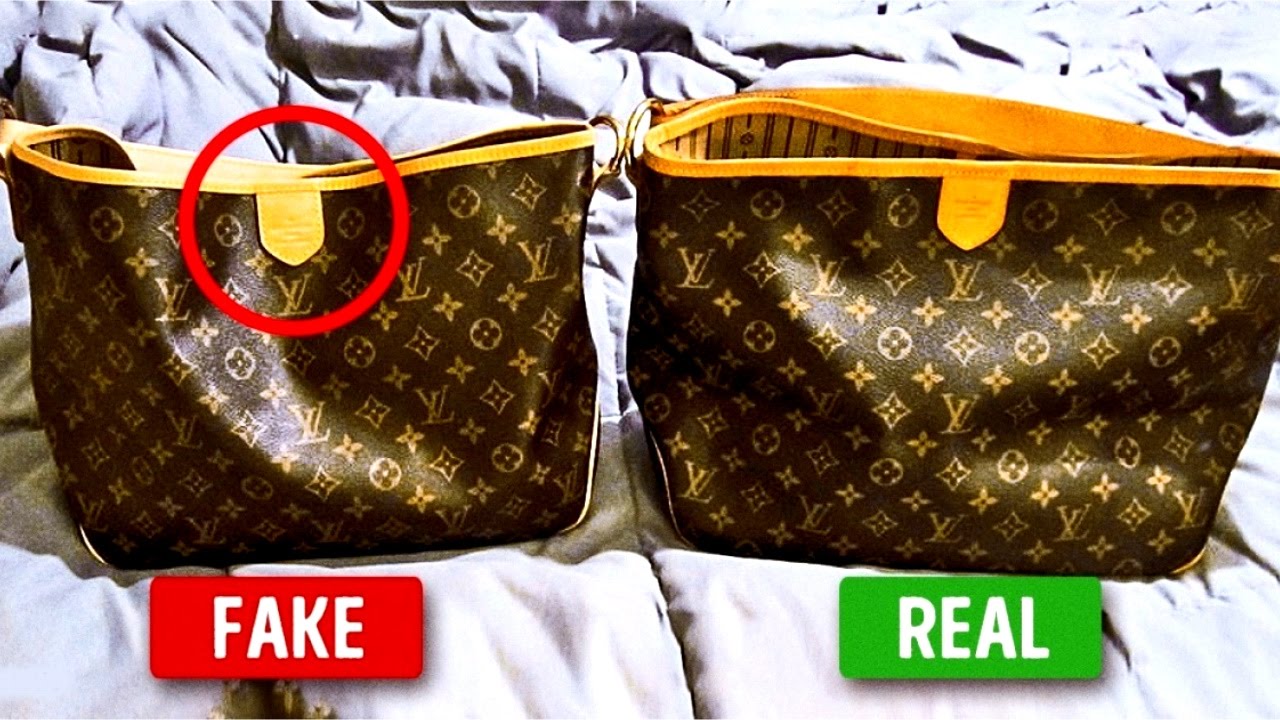
Another way to spot a fake handbag is by inspecting its quality. Designer handbags are known for their impeccable craftsmanship and high-quality materials. If the bag you are looking at has loose threads, uneven stitching, or cheap-looking materials, it is most likely a fake.
Pay attention to the details, such as the logo, hardware, and lining. These are often the areas where counterfeiters cut corners and use cheaper materials. Authentic designer handbags have clean and precise logos, high-quality hardware, and well-made linings.
Detailed Inspection Guidelines
Conducting a detailed inspection of a designer handbag before purchase is crucial to ensure its authenticity and quality. Here are systematic guidelines to help you scrutinize every aspect of a designer handbag effectively:
1. Examine the Materials:
- Quality of Leather or Fabric: Genuine designer handbags are crafted from high-grade materials, whether it’s fine leather, suede, or specific fabrics. The material should feel soft to the touch and durable. Counterfeit bags often use cheaper, stiffer materials that don’t carry the same sheen or soft texture.
- Odor: Genuine leather has a distinct smell that is hard to replicate with synthetic materials. Be wary of chemical or plastic smells, which are telltale signs of fake materials.
2. Inspect the Craftsmanship:
- Stitching: Authentic designer bags will have tight, even, and straight stitching. There should be no loose threads or uneven stitching, as luxury brands are meticulous about their craftsmanship. Pay special attention to the stitching at the seams and along any zippers.
- Seams and Edges: High-quality bags will often have edges that are hand-painted or stitched with precision. Any signs of glue or sloppy construction are indicators of a counterfeit.
3. Verify the Branding:
- Logos and Stamps: Check the logo on the bag and compare it to the official logos used by the brand, which can be found on their website. The logo should be clear and precisely rendered. For many brands, the logo’s font and spacing are consistent and are often a point of pride.
- Serial Numbers: Many designer handbags come with a serial number stamped on the inside or on a specific tag. This number can often be verified through customer service or on the brand’s website to confirm the bag’s authenticity.
4. Check the Hardware and Accessories:
- Zippers and Buckles: The hardware should be heavy and of superior quality. Most luxury brands use hardware made from metals like brass or gold-tone alloys and often have the brand name subtly engraved on them. Zippers should open and close smoothly.
- Lining and Additional Tags: The lining in authentic designer handbags is usually sewn neatly and made from high-quality materials. Counterfeits often overlook these details, using cheaper fabric and showing poor alignment and stitching. Tags and additional branding inside the bag should match the known formats used by the brand.
Ask for Proof of Authenticity
If you are purchasing a designer handbag from a physical store, don’t be afraid to ask for proof of authenticity. Most authorized retailers will have certificates or tags that come with the handbag to prove its authenticity. If the seller cannot provide any proof, it is best to walk away.
If you are buying online, make sure to ask the seller for detailed photos of the handbag, including the logo, hardware, and any other identifying features. You can also ask for a money-back guarantee or return policy in case the handbag turns out to be fake.
Understanding Brand Specifics and Seller Credibility
When venturing into the purchase of designer handbags, especially as a gift for a special occasion like Mother’s Day, it’s crucial to have a deep understanding of both the brand specifics and the credibility of the seller. Brand specifics not only refer to the design and style of the handbags but also to the unique markers that authenticate their legitimacy. Each luxury brand has distinctive features, such as specific types of leather, precise logo designs, unique hardware, and even particular styles of stitching that are consistent across its products. Familiarizing yourself with these details can be done through visits to official brand stores, brand websites, or authentic luxury goods retailers. This knowledge forms the first defense against counterfeit products, enabling you to recognize deviations from brand standards.
Seller credibility is equally important as knowing the product specifics. Authorized sellers are typically listed on a brand’s official website, providing a reliable source for authentic products. Purchasing from these approved channels ensures that the products are genuine and covered by warranty. However, the market is also populated by unauthorized sellers who may offer lower prices but carry a higher risk of counterfeit goods. When evaluating these sellers, especially online, it’s important to look for customer reviews, seller ratings, and the length of time they have been in business. Detailed seller reviews can provide insight into their reliability and the quality of their products. Beware of sellers with overwhelmingly negative reviews or those who have just started selling designer goods as these can be indicators of fraudulent activities.
When assessing the seller’s reputation, also consider their return and warranty policies. A credible seller will offer a clear return policy that allows you to return a product if it does not meet the expectations or is suspect. They should also provide a warranty that protects against defects beyond normal wear and tear. This is particularly important when purchasing expensive items such as designer handbags. Additionally, some sellers might offer certificates of authenticity, which can further reassure you of the product’s genuineness.
Lastly, leverage online tools and resources to verify seller credentials. Sites like the Better Business Bureau (BBB) provide reports on the business practices of online sellers. Similarly, various online forums and luxury goods review sites discuss the authenticity of sellers and their products based on user experiences. Engaging in these platforms can yield valuable insights and help guide your purchasing decisions. By taking these steps, you ensure that both the brand and seller align with the high standards required when purchasing luxury goods, thereby safeguarding your investment and ensuring your gift truly honors the recipient on their special day.
Trust Your Instincts
Lastly, always trust your instincts when shopping for designer handbags. If something feels off or too good to be true, it probably is. Don’t let the pressure of buying a gift for Mother’s Day cloud your judgment. Take your time and make sure to thoroughly inspect the handbag before making a purchase.
Remember, buying a fake handbag not only means wasting your money, but it also supports illegal and unethical practices. By being a responsible consumer, you are not only protecting yourself but also the brand and the industry.
Safe Shopping Online and Offline
When shopping for designer handbags, whether online or offline, ensuring the safety and authenticity of your purchase is paramount. Here are comprehensive guidelines to help you navigate both platforms securely:
Safe Online Shopping
- Use Reputable Websites:
- Always purchase from official brand websites or authorized retailers’ online stores. Websites like Farfetch, Net-a-Porter, and Neiman Marcus are reputable luxury goods sellers where authenticity is guaranteed.
- Avoid purchasing luxury items from marketplaces or classified ad sites where seller credentials are difficult to verify.
- Secure Payment Options:
- Ensure the website uses secure payment methods, including credit cards, PayPal, or other payment services that offer buyer protection. These methods provide layers of security and recourse in case the product is not as described or is counterfeit.
- Avoid using wire transfers or money orders which do not offer any form of purchase protection.
- Look for Clear Return Policies:
- Reputable sites have clear return policies allowing you to return the item if it doesn’t meet your expectations or if you suspect it’s not genuine. Make sure you understand these policies before making a purchase.
- Privacy and Security Measures:
- Check that the website’s URL starts with “https” – the ‘s’ at the end indicates it is secure. Also, look for a padlock symbol in the address bar, which signifies that your data is encrypted.
Safe Offline Shopping
- Visit Established Retailers:
- Shop at official boutiques or reputable department stores. These establishments are direct distributors of brands and guarantee the authenticity of their goods.
- Avoid purchasing high-ticket items from flea markets, street vendors, or pop-up shops which are more prone to selling counterfeit goods.
- Examine Physical Receipts and Authenticity Cards:</strong>
- Authentic luxury items often come with detailed receipts and authenticity cards. These documents are typically embossed and include serial numbers that match those on the product.
- Request a gift receipt if the item is for Mother’s Day, ensuring any potential return or exchange is seamless.
- Personal Security:
- Be aware of your surroundings when shopping in physical stores. High-value purchases can make you a target for theft.
- Use credit cards or checks instead of carrying large amounts of cash.
- Consult Sales Associates:
- Engage with knowledgeable sales associates who can provide background information about the product’s source and brand authenticity protocols. They can also assist in demonstrating the product’s features, which can be an additional authenticity check.
Conclusion
In conclusion, it is important to be cautious when shopping for designer handbags, especially when it comes to buying a gift for Mother’s Day. Do your research, check the price, inspect the quality, ask for proof of authenticity, and trust your instincts. By following these tips, you can avoid falling victim to fake handbags and ensure that your mother receives a genuine and thoughtful gift on her special day.
Thank you for reading our blog post on how to avoid fake handbags when shopping for Mother’s Day. We hope this information has been helpful and wish you a happy and safe shopping experience. Remember, always be a smart and responsible consumer!