

 Multiple Faces Detected


 April 1st, 2024
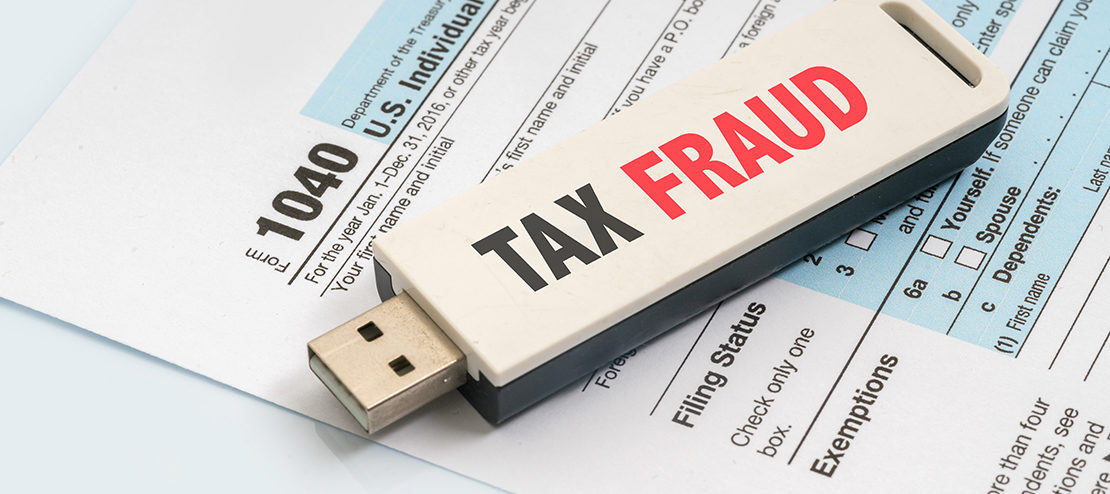
Tax season can be a stressful time for many adults, but it’s also a prime opportunity for scammers to take advantage of unsuspecting individuals. One common scam that has been on the rise in recent years is tax rebate fraud. This type of fraud involves criminals posing as government officials or tax agencies and tricking people into giving away their personal and financial information. In this blog post, we’ll discuss what tax rebate fraud is, how to spot it, and most importantly, how to protect yourself from becoming a victim.
What is Tax Rebate Fraud?
Tax rebate fraud is a type of identity theft that occurs when someone uses your personal information to file a fraudulent tax return and claim a tax refund in your name. This can happen in a few different ways:
- Phishing scams: Scammers will send fake emails or make phone calls pretending to be from the IRS or other tax agencies. They will ask for personal information, such as your Social Security number or bank account details, under the guise of needing it for a tax refund.
- Stolen mail: Thieves may steal your mail, including tax documents like W-2 forms, and use the information to file a fake tax return.
- Hacked accounts: If a hacker gains access to your online tax account, they can file a fraudulent return and redirect the refund to their own bank account.
No matter how it happens, tax rebate fraud can have serious consequences for victims. Not only can it result in a delayed or denied tax refund, but it can also lead to identity theft and financial loss.
How to Spot Tax Rebate Fraud
Being able to recognize the signs of tax rebate fraud is the first step in protecting yourself from becoming a victim. Here are some red flags to watch out for:
- Unexpected communication from the IRS or other tax agencies: The IRS will never initiate contact with taxpayers via email, text message, or social media. If you receive a message claiming to be from the IRS, it’s most likely a scam.
- Requests for personal information: The IRS will never ask for personal or financial information over the phone or through email. If someone claiming to be from the IRS asks for this information, it’s a scam.
- Errors on your tax return: If you receive a notice from the IRS stating that you’ve already filed a tax return, but you haven’t, it’s a sign that someone else has filed a fraudulent return in your name.
- Unexpected tax refunds: If you receive a tax refund that you weren’t expecting, it could be a sign that someone has filed a fraudulent return using your information.
If you notice any of these warning signs, it’s important to take action immediately to protect yourself and your finances.
How to Protect Yourself from Tax Rebate Fraud
Now that you know what tax rebate fraud is and how to spot it, let’s discuss some steps you can take to protect yourself from becoming a victim:
- File your taxes early: The earlier you file your tax return, the less likely it is that a scammer will be able to file a fraudulent return in your name.
- Use a secure internet connection: When filing your taxes online, make sure you are using a secure internet connection. Avoid using public Wi-Fi, as it can be easily hacked.
- Be cautious of emails and phone calls: If you receive a message or call claiming to be from the IRS, do not respond or provide any personal information. Instead, contact the IRS directly to verify the legitimacy of the communication.
- Protect your personal information: Keep your Social Security number, bank account details, and other sensitive information safe and secure. Shred any documents containing this information before throwing them away.
- Monitor your credit report: Regularly check your credit report for any suspicious activity. If you notice any unauthorized accounts or inquiries, it could be a sign of identity theft.
Taking these precautions can greatly reduce your risk of falling victim to tax rebate fraud. It’s also important to stay informed about the latest scams and fraud tactics, as scammers are constantly coming up with new ways to trick people.
Proactive Measures: Safeguarding Your Finances Against Fraud
Taking proactive measures to safeguard your finances against tax rebate fraud is paramount in today’s digital landscape. Firstly, stay informed and educate yourself about common tactics used by scammers. Familiarize yourself with the latest scams circulating in your region, and remain vigilant for any suspicious activity. Utilize resources provided by government agencies and reputable financial institutions to stay up-to-date on emerging threats and learn how to recognize red flags indicative of fraudulent schemes.
Secondly, implement robust security measures to protect your personal and financial information. Keep your devices, including computers, smartphones, and tablets, updated with the latest security patches and antivirus software. Use strong, unique passwords for online accounts, and enable two-factor authentication whenever possible. Be cautious when sharing personal information online, especially on social media platforms or in response to unsolicited communication.
Furthermore, adopt a skeptical mindset and question any unsolicited offers or requests for sensitive information. Exercise caution when clicking on links or downloading attachments from unknown senders, as these could contain malware or phishing attempts. Verify the legitimacy of any communication claiming to be from a tax agency or financial institution by independently contacting the organization using trusted contact information obtained from their official website or documentation.
Additionally, regularly monitor your financial accounts and credit reports for any suspicious activity or unauthorized transactions. Review your tax filings and refund status carefully to ensure accuracy and detect any signs of fraudulent activity. Report any discrepancies or suspected instances of tax rebate fraud to the relevant authorities promptly, including government tax agencies and law enforcement agencies. By taking proactive steps to protect your finances and staying vigilant against potential threats, you can reduce the risk of falling victim to tax rebate fraud and safeguard your financial security.
Reporting Fraud: Taking Action Against Tax Rebate Scams
Reporting fraud and taking action against tax rebate scams is crucial in combating financial crime and protecting yourself and others from falling victim to fraudulent schemes. If you suspect that you have been targeted by a tax rebate scam or have encountered fraudulent activity, it is imperative to report it to the appropriate authorities immediately. Start by contacting your local law enforcement agency or the tax authority in your country to file a formal report and provide details of the fraudulent incident.
In addition to reporting the scam to law enforcement, notify relevant financial institutions, such as your bank or credit card provider, if you believe your financial accounts have been compromised. They can take steps to secure your accounts, prevent further unauthorized transactions, and investigate any fraudulent activity. Be prepared to provide documentation and evidence of the scam, including any correspondence, emails, or documentation received from the fraudsters.
Furthermore, consider reporting the scam to consumer protection agencies, such as the Federal Trade Commission (FTC) or the Better Business Bureau (BBB), to help raise awareness and prevent others from falling victim to similar scams. These organizations track and investigate reports of fraud and can provide valuable resources and assistance to victims. By reporting tax rebate scams and fraudulent activity promptly, you not only protect yourself but also contribute to efforts to combat financial fraud and hold perpetrators accountable for their actions.
Conclusion
Tax rebate fraud is a serious threat that can have long-lasting consequences for victims. By understanding what it is, how to spot it, and how to protect yourself, you can minimize your risk and enjoy a stress-free tax season. Remember to always be cautious when sharing personal information and to stay informed about the latest scams. With these tips in mind, you can file your taxes with confidence and avoid becoming a victim of tax rebate fraud.