
 Multiple Faces Detected


 August 29th, 2023
In today’s interconnected world, where the digital landscape plays an increasingly pivotal role in our daily lives, cybersecurity has emerged as a paramount concern for individuals of all ages. Yet, as the internet becomes an ever more integral part of our routines, it is the older adults—the wise custodians of experience and knowledge—who may find themselves navigating this virtual realm with a sense of curiosity and, at times, caution. “Cybersecurity Education for Seniors: Empowering Older Adults to Stay Safe Online” aims to bridge the gap between the digital generation and those who may be newcomers to this technological frontier. This blog post is a beacon of knowledge, guiding seniors on a journey to not only understand the intricacies of online security but also to embrace the tools and practices that will allow them to navigate the digital world confidently, while safeguarding their privacy, data, and online experiences. Join us as we embark on this empowering exploration, paving the way for a safer, more informed online presence for seniors across the globe.
The Importance of Cybersecurity Awareness
Cybersecurity awareness has become an essential life skill, particularly for our senior citizens. As the online landscape continues to evolve, so do the risks associated with navigating it. For seniors, who may not have grown up with the same level of digital immersion as younger generations, the need for cybersecurity education becomes even more crucial. The significance of cybersecurity awareness lies in its power to empower older adults with the knowledge and tools they need to confidently and securely navigate the virtual world.
Cybersecurity awareness acts as a shield against the ever-expanding realm of cyber threats that target seniors. From phishing scams to identity theft, seniors can find themselves in the crosshairs of sophisticated criminals seeking to exploit their vulnerabilities. By understanding the various forms of cyber threats, seniors can arm themselves with the ability to recognize and thwart potential attacks. This awareness empowers them to safeguard their sensitive information, financial assets, and personal identities from falling into the wrong hands.
Furthermore, staying informed about cybersecurity allows seniors to become advocates for their own safety and that of their peers. By engaging in discussions and sharing their knowledge within their communities, seniors can foster a collective atmosphere of vigilance and support. This sense of solidarity helps combat the isolation that some older adults may experience in the digital realm, fostering an environment where they can confidently seek help and guidance from one another when faced with potential cyber risks.
Cybersecurity awareness is a gateway to enhancing the quality of life for seniors in the digital age. It enables them to fully embrace the convenience and opportunities that technology brings while minimizing the potential pitfalls. By understanding the importance of strong passwords, recognizing suspicious emails, and practicing safe online behavior, seniors can interact with the online world on their terms, with the confidence that they are taking necessary precautions to protect themselves. This knowledge empowers them to maintain their independence, connect with loved ones, and explore new horizons without compromising their personal security.
In the following sections of this blog post, we will explore how cybersecurity education can be tailored to suit the unique needs of seniors. From foundational concepts to practical skills, we’ll delve into the strategies that empower older adults to stay safe and secure while navigating the digital landscape. Through a proactive and informed approach to cybersecurity, seniors can embrace technology with confidence, ensuring that their online experiences remain both enriching and protected.
Tailoring Learning Approaches
Tailoring learning approaches to the specific needs and preferences of seniors is a fundamental aspect of effective cybersecurity education. Recognizing that seniors may have varying levels of familiarity and comfort with technology, educators and trainers must adopt strategies that make learning accessible, engaging, and relevant.
One approach is to start with the basics. Many seniors might be new to the digital world or have limited experience with computers and smartphones. Introducing concepts such as navigating the internet, understanding different devices, and using common software applications can provide a solid foundation. By patiently guiding seniors through these initial steps, educators can build their confidence and readiness to explore more advanced topics.
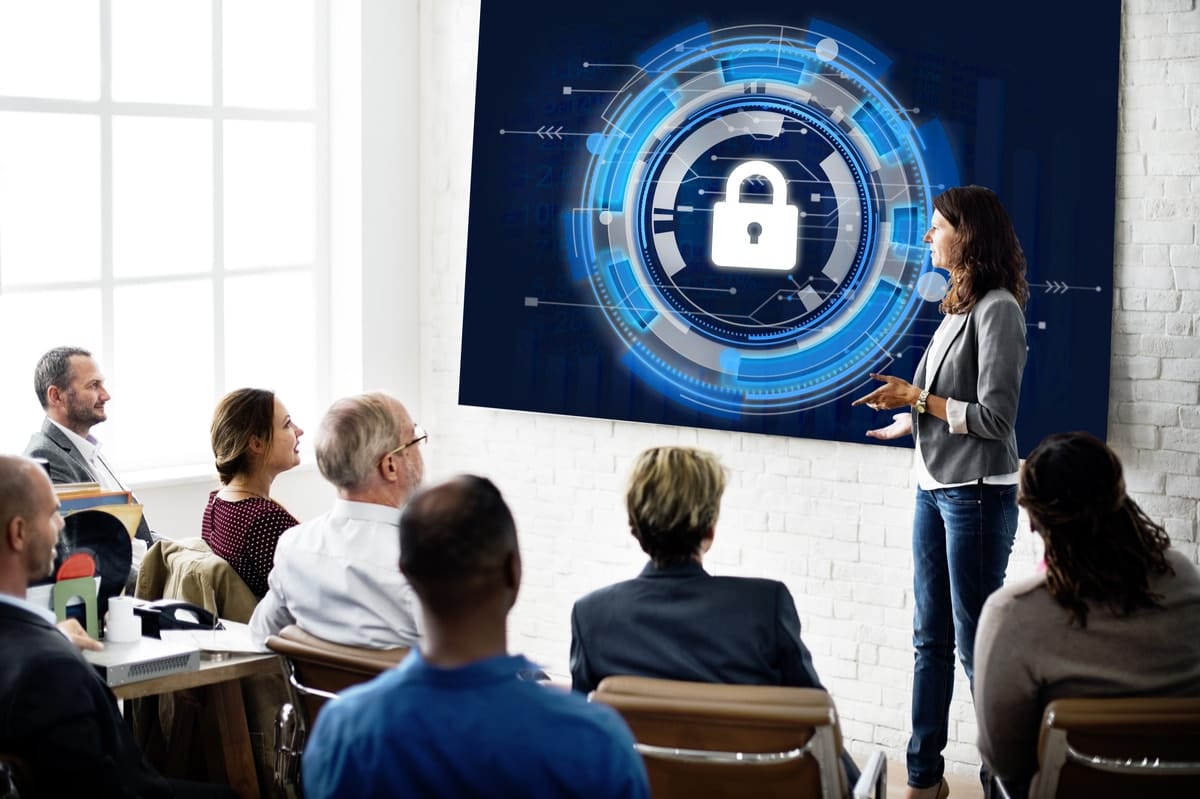
Visual aids and hands-on demonstrations are invaluable tools when teaching cybersecurity to seniors. Incorporating visually appealing materials, diagrams, and step-by-step tutorials can help break down complex concepts into manageable, relatable parts. Hands-on practice sessions, where seniors interact directly with devices and software, offer a practical way to reinforce learning and build muscle memory for safe online practices.
Fostering a comfortable and inclusive learning environment is equally important. Many seniors may feel intimidated by technology, fearing that they might make mistakes or fall victim to scams. Creating a supportive atmosphere where questions are encouraged and mistakes are treated as learning opportunities helps seniors overcome their apprehensions and build their digital skills with confidence. Group workshops, where participants can share experiences and exchange tips, can also contribute to a sense of camaraderie and motivation.
Flexibility in learning formats is key to accommodating diverse learning styles. While some seniors may prefer traditional classroom settings, others may benefit from self-paced online courses or one-on-one coaching sessions. Offering a variety of options ensures that each senior can choose the approach that aligns best with their comfort level and preferences.
Personalization is another effective strategy for tailoring learning experiences. Recognizing that seniors have unique interests and motivations, instructors can incorporate real-life scenarios and examples that resonate with their experiences. For instance, discussing common online activities like social media, online shopping, and banking can help seniors understand the relevance of cybersecurity in their daily lives.
Building Strong Foundations: Core Concepts of Online Safety for Seniors
Building strong foundations in online safety is paramount for seniors to navigate the digital landscape confidently and securely. This involves instilling core concepts that serve as the bedrock of their cybersecurity knowledge. Understanding the importance of strong, unique passwords is one such vital concept. Seniors should be guided on creating passwords that combine letters, numbers, and symbols, while avoiding easily guessable information like birthdays or names. Educating them about the significance of regularly updating passwords and not sharing them with others helps fortify their online defenses.
Another crucial element is recognizing phishing and social engineering tactics. Seniors should learn how to identify suspicious emails, messages, or phone calls that might lead them into sharing sensitive information or falling for scams. Stressing the importance of verifying the authenticity of requests before sharing personal or financial details is key to avoiding such traps.
Seniors should also be introduced to the concept of secure browsing. This involves understanding the significance of encrypted connections (https://) when sharing personal information online and recognizing websites that may be fraudulent or unsafe. Teaching them how to identify secure websites, avoid clicking on unfamiliar links, and being cautious when downloading attachments helps build their confidence in safer online interactions.
The importance of keeping software and devices up to date is another core concept. Seniors should be guided on the significance of regular updates for their operating systems, applications, and antivirus software. These updates often include critical security patches that protect against known vulnerabilities, safeguarding their devices from potential cyber threats.
Moreover, seniors should be made aware of the dangers of oversharing on social media platforms. Emphasizing the need to set strong privacy settings, limit the personal information they share publicly, and be cautious about accepting friend requests from strangers helps them maintain control over their digital footprint.
By building a strong foundation in these core concepts of online safety, seniors can establish a solid understanding of cybersecurity principles that will serve as the basis for more advanced learning. These concepts empower seniors to navigate the digital world with confidence, making informed decisions to protect their personal information and online well-being.
Empowering Seniors with Practical Skills: Hands-On Training and Real-World Application
Empowering seniors with practical skills in cybersecurity goes beyond theory, immersing them in hands-on training and real-world application. Here’s how to equip older adults with the tools they need to confidently navigate the digital landscape and stay safe online:
- Interactive Workshops and Simulations: Conduct interactive workshops that simulate real-world scenarios, such as identifying phishing emails or practicing safe online shopping. Seniors can actively participate, honing their skills in a controlled environment before facing potential threats.
- Password Management Practice: Provide guided sessions on creating and managing strong passwords. Seniors can practice generating complex passwords, storing them securely, and updating them regularly, ensuring they can safeguard their accounts effectively.
- Phishing Awareness Exercises: Engage seniors in mock phishing exercises to help them recognize suspicious emails or messages. These exercises teach them to identify common red flags, such as misspellings, unusual sender addresses, or requests for sensitive information.
- Safe Browsing Demonstrations: Show seniors how to distinguish between secure and insecure websites. Guide them through the process of checking a website’s security certificate, verifying URLs, and understanding browser warnings.
- Social Media Privacy Exploration: Walk seniors through adjusting privacy settings on social media platforms. Encourage them to explore their profiles and understand the importance of limiting the information they share publicly.
- Device Security and Updates: Offer step-by-step tutorials on keeping devices secure, including installing software updates, enabling firewalls, and using antivirus software. Seniors can practice these actions on their own devices, ensuring they can apply them independently.
- Two-Factor Authentication Setup: Teach seniors how to enable two-factor authentication (2FA) on their accounts. Guide them through the process of linking their phone number or email to add an extra layer of security.
- Scam Recognition Drills: Conduct role-play scenarios where seniors can practice identifying and responding to potential scams. This could include phone calls from fake tech support agents or suspicious donation requests.
- Safe Online Shopping: Demonstrate the steps for secure online shopping, from verifying the legitimacy of an online store to ensuring a secure checkout process. Seniors can practice making small purchases in a controlled environment.
- Digital Hygiene and Cleanup: Show seniors how to regularly clean up their digital footprint, such as deleting unused accounts, organizing files, and clearing browser history. Provide guidance on safely disposing of old devices.