
 Multiple Faces Detected


 September 22nd, 2023
Online dating has become a popular way to meet new people and potentially find a romantic partner. While this platform can be a convenient and exciting way to connect with others, it also poses a significant risk. Online dating scams have become increasingly prevalent in recent years, and they can have devastating consequences for the victims. These scams often involve individuals creating fake profiles to lure in unsuspecting victims and then convincing them to share personal information. In this blog post, we will explore the risks of sharing personal information in online dating scams and provide tips on how to stay safe while looking for love online.
How Common are Online Dating Scams?
Online dating scams are unfortunately quite common. Scammers target individuals on dating websites and apps to establish fake romantic relationships and exploit them for financial gain. These scams can take various forms, such as romance scams, catfishing, or confidence fraud, and they have affected a significant number of people worldwide. While exact statistics may vary, it’s essential to exercise caution and be aware of the signs of online dating scams to protect yourself when engaging in online dating.
What are The Signs of an Online Dating Scammer?
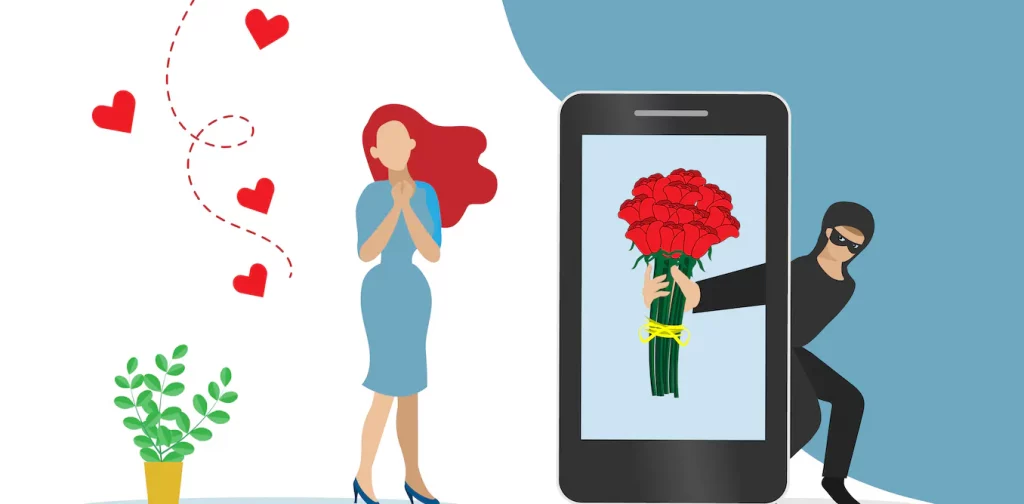
Online dating can be a fun and exciting way to meet new people and potentially find a romantic partner. However, it’s important to be aware of the signs of an online dating scammer to protect yourself from potential harm. Here are six signs that someone you’re talking to online may be a scammer:
- They Ask for Money: One of the most common signs of an online dating scammer is when they ask for money. They may come up with a sob story, such as a medical emergency or a job loss, and then ask for financial assistance. Be cautious of anyone who asks for money before you’ve even met in person.
- They Avoid Video Calls: Another red flag is when someone you’re talking to refuses to have a video call. Scammers often use fake profile pictures or stolen photos from social media, so they may not want to reveal their true identity.
- They Move Quickly: Scammers may try to move the conversation off the dating site or app and onto email or text message as quickly as possible. They may also profess their love or affection for you after only a few conversations. Be wary of anyone who seems too eager too soon.
- Their Story Doesn’t Add Up: Pay attention to the details of the person’s story. Scammers often use fake identities and may have inconsistencies in their stories. For example, they may claim to be a doctor, but their grammar and spelling are poor.
- They Avoid Meeting in Person: If someone you’re talking to consistently makes excuses for why they can’t meet in person, it may be a sign of a scammer. They may claim to be out of the country or have a busy schedule, but it’s important to meet in person before developing a serious relationship.
- They Pressure You: Scammers may try to pressure you into making quick decisions or giving them personal information. Be cautious of anyone who tries to make you feel uncomfortable or rushed.
Identity Theft and Fraud
Identity theft and fraud are serious risks associated with online dating scams. Scammers can use personal information obtained through online dating to steal your identity and commit fraud. This can result in significant financial loss and damage to your credit score.
Identity theft is when someone steals your personal information, such as your name, social security number, or financial information, and uses it to commit fraud. This can include opening new credit card accounts, applying for loans, or even filing a tax return in your name. The goal is to use your identity to access money or goods, which can cause significant damage to your credit score and financial stability.
Scammers can use personal information obtained through online dating scams in a variety of ways. They may use it to open bank accounts or credit cards in your name, apply for loans or mortgages, or even file a false tax return to claim a refund. In some cases, they may use your personal information to commit other types of fraud, such as selling fake products or services online.
There are several warning signs of identity theft, including unexpected bills or charges on your credit card statement, receiving credit cards or bills in your name that you didn’t apply for, and being denied credit or loans due to poor credit or negative information on your credit report. If you notice any of these signs, it’s important to take action immediately.
To protect yourself from identity theft, it’s important to be cautious about sharing personal information online. This includes your full name, social security number, and financial information. Be careful about who you share information with and never give out personal information to someone you’ve just met online. It’s also a good idea to regularly monitor your credit report for any suspicious activity.
If you suspect identity theft, it’s important to act quickly. This may involve contacting your bank or credit card company to report fraudulent charges, placing a fraud alert on your credit report, or filing a report with the Federal Trade Commission. It’s also a good idea to change your passwords and monitor your accounts closely for any further fraudulent activity.
If you suspect you’re the victim of an online dating scam that may lead to identity theft or fraud, it’s important to report it to the dating site or app as well as to law enforcement. This can help prevent others from falling victim to the same scam and can also aid in the investigation and prosecution of the scammer.
Stalking and Harassment
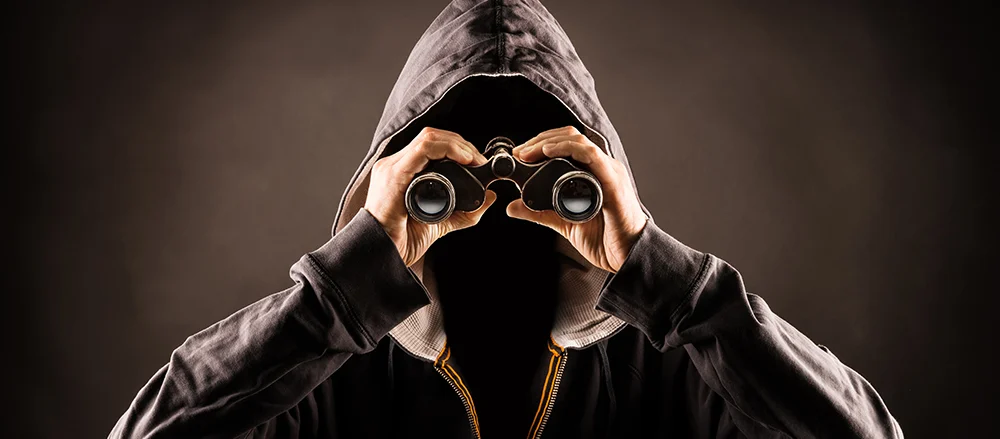
Stalking and harassment are serious risks associated with online dating scams. Scammers may use personal information obtained through online dating to track your whereabouts or contact you repeatedly, which can make you feel unsafe and threatened. Here are six key things to know about stalking and harassment in the context of online dating:
Stalking and harassment refer to persistent and unwanted contact, including following, threatening, and intimidating behavior. This can include phone calls, text messages, emails, or showing up uninvited at your home or workplace. Stalking and harassment can be both physical and emotional, and can cause significant distress and anxiety.
Scammers may use personal information obtained through online dating scams to track your whereabouts and contact you repeatedly. This can include your phone number, email address, or even your home address. They may also use social media to monitor your activities and keep tabs on your online behavior.
There are several warning signs of stalking and harassment, including unwanted contact, persistent messages or phone calls, showing up uninvited, and making threats or using intimidating behavior. If you feel uncomfortable or threatened by someone you’ve met online, it’s important to take action to protect yourself.
Being cautious about sharing personal information online is crucial in safeguarding yourself against stalking and harassment. This includes your full name, phone number, email address, and home address. Consider using a fake name or phone number until you’ve established trust with the person. It’s also a good idea to use privacy settings on social media and other online platforms to limit the information that’s publicly available.
Taking necessary steps to safeguard yourself is crucial if you are being stalked or harassed by someone you met online. This may involve blocking their phone number and email address, reporting them to the dating site or app, or contacting law enforcement if you feel threatened or unsafe. It’s important to trust your instincts and take any threats or harassment seriously.
In case you suspect that you are a victim of an online dating scam that can lead to stalking or harassment, reporting it to both the dating site or app and law enforcement is essential. This can help prevent others from falling victim to the same scam and can also aid in the investigation and prosecution of the scammer.
Blackmail and Extortion
Blackmail and extortion are serious risks associated with online dating scams. Scammers may use personal information obtained through online dating to coerce victims into paying money or providing other favors under the threat of releasing embarrassing or compromising information.
Blackmail and extortion refer to the use of threats to force someone to pay money or provide other favors. In the context of online dating scams, scammers may threaten to release compromising information or embarrassing photos unless the victim pays them money.
Scammers may use personal information obtained through online dating scams to threaten victims into paying them money or providing other favors. This can include compromising photos, videos, or other sensitive information that could damage the victim’s reputation if released.
There are several warning signs of blackmail and extortion, including demands for money or favors in exchange for not releasing compromising information, threats of harm or violence, and a sense of urgency or pressure to comply with the demands. If you feel uncomfortable or threatened by someone you’ve met online, it’s important to take action to protect yourself.
Being cautious about sharing personal information online is crucial in protecting oneself from the risks of blackmail and extortion. This includes your full name, phone number, email address, and home address. You should also be wary of any requests for money or other favors, especially from someone you’ve just met online.
Taking action to protect oneself is crucial if being blackmailed or extorted by someone met online. This may involve blocking their phone number and email address, reporting them to the dating site or app, or contacting law enforcement if you feel threatened or unsafe. It’s important to remember that paying the scammer will not necessarily make them go away and may actually put you at further risk.
Reporting to the dating site or app, as well as to law enforcement, is essential if one suspects being a victim of an online dating scam that could potentially result in blackmail or extortion. This can help prevent others from falling victim to the same scam and can also aid in the investigation and prosecution of the scammer. It’s important to remember that you are not alone and that there is help available to you.
Physical Harm

Online dating scams can also pose a risk of physical harm to victims. While it may seem unlikely, some scammers may use personal information obtained through online dating to locate and physically harm victims.
Scammers may use personal information obtained through online dating scams to locate and physically harm victims. This can include information such as the victim’s name, address, phone number, or other identifying information.
There are several warning signs of physical harm, including threats of violence or harm, stalking, and an overall sense of fear or discomfort. If you feel threatened or unsafe by someone you’ve met online, it’s important to take action to protect yourself.
To protect oneself from the risk of physical harm, it is crucial to exercise caution when sharing personal information online. This includes your full name, phone number, email address, and home address. You should also be wary of any requests for personal information or any requests to meet in person from someone you’ve just met online.
If you feel physically threatened by someone you’ve met online, it’s important to take action to protect yourself. This may involve blocking their phone number and email address, reporting them to the dating site or app, or contacting law enforcement if you feel unsafe or threatened. It’s important to remember that your safety is paramount and that there is help available to you.
If you suspect you’re the victim of an online dating scam that may lead to physical harm, it’s important to report it to the dating site or app as well as to law enforcement. This can help prevent others from falling victim to the same scam and can also aid in the investigation and prosecution of the scammer. It’s important to remember that you are not alone and that there is help available to you if you feel threatened or unsafe.
Protecting Yourself from Online Dating Scams
Online dating can be a fun and exciting way to meet new people and potentially find a romantic partner. However, it is important to be aware of the risks of online dating scams and take steps to protect yourself. Here are six important things to know about protecting yourself from online dating scams:
- The first step in protecting yourself from online dating scams is to know the warning signs. These can include requests for money or personal information, inconsistencies in their story or profile, and a reluctance to meet in person.
- If something feels off or too good to be true, it probably is. Trust your instincts and be cautious when interacting with someone online. Take the time to get to know them and don’t rush into anything.
- Using a reputable dating site or app can help minimize the risk of falling victim to a scam. These sites typically have safety measures in place and are more likely to have genuine members.
- Be cautious when sharing personal information online. Avoid sharing your home address, phone number, or financial information with someone you’ve just met online. If you do decide to meet in person, choose a public location and let someone else know where you’ll be.
- You’ve Never Met One of the most common signs of an online dating scam is a request for money. Don’t send money to someone you’ve never met, no matter how convincing their story may be. If someone asks for money, it’s likely a scam.
- If you encounter suspicious activity or suspect that you may be the victim of an online dating scam, it’s important to report it. This can help prevent others from falling victim to the same scam and can also aid in the investigation and prosecution of the scammer. Most dating sites and apps have a way to report suspicious activity or profiles. Additionally, you can contact law enforcement or your state attorney general’s office for assistance.
In conclusion, protecting oneself from online dating scams requires awareness and caution. By knowing the warning signs, trusting your instincts, using reputable dating sites, being careful with personal information, avoiding sending money, and reporting suspicious activity, you can minimize the risk of falling victim to a scam. Remember to always prioritize your safety and trust your gut when it comes to online dating.