Multiple Faces Detected


 April 26th, 2023
Online scams are becoming increasingly prevalent and scammers are using a variety of tactics to manipulate and deceive their victims. One of the most powerful tools scammers use is social proof, which is our tendency to look to others for guidance on how to behave. By leveraging our need for approval and validation, scammers can create an illusion of legitimacy and persuade us to take actions that we would not otherwise do. In this blog post, we will explore the impact of social proof on online scams and how scammers use our need for approval to exploit us.
What is Social Proof and How Does it Work?

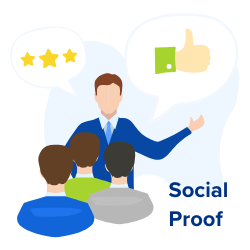
Social proof is a psychological phenomenon where people look to the actions and behaviors of others to determine their own behavior. This is based on the assumption that others have more knowledge or experience and that following their lead will lead to better outcomes. In the context of online scams, scammers use social proof to create a false sense of legitimacy and persuade victims to take actions they would not otherwise take.
There are several types of social proof, including expert, celebrity, user, and wisdom of the crowd. Expert social proof involves using endorsements from industry experts to persuade consumers. Celebrity social proof uses endorsements from celebrities to persuade consumers. User social proof uses testimonials and reviews from other consumers to persuade potential customers. Wisdom of the crowd social proof involves using statistics and data to show how many people have already taken an action or made a purchase.
Social proof works because humans are social creatures who rely on others for guidance and validation. When we see that others have taken a certain action or made a certain decision, we assume that it must be the right thing to do. This is especially true when we are uncertain or have limited information, such as when we are making a purchase online.
In online scams, scammers create a false sense of social proof by using fake reviews, testimonials, and endorsements to trick victims into thinking that others have already taken the desired action or made the desired purchase. For example, a scammer might create fake social media profiles or websites that look like legitimate companies or individuals and post positive reviews or testimonials about their products or services.
Scammers also use urgency and scarcity tactics to create a sense of social proof. By creating a sense of urgency or scarcity, scammers can make it seem like everyone else is taking advantage of a particular offer or opportunity, and that the victim will miss out if they do not act quickly. This can make the victim feel like they need to act quickly in order to avoid missing out, even if the offer or opportunity is not legitimate.
How Scammers Use Social Proof in Online Scams
Scammers use social proof in online scams to create a false sense of legitimacy and persuade victims to take actions they would not otherwise take. They do this by using a variety of tactics that exploit our tendency to look to others for guidance and validation.
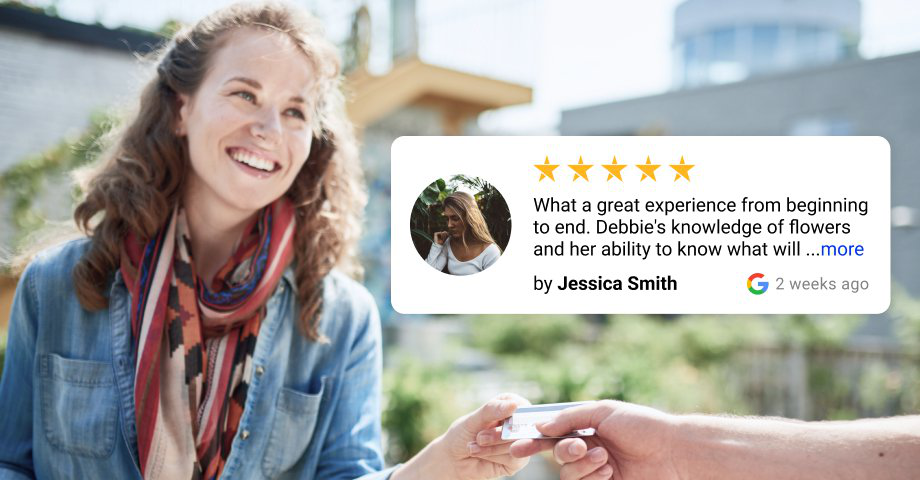
One of the most common ways scammers use social proof is by creating fake reviews and testimonials. They do this by creating fake social media profiles or websites that look like legitimate companies or individuals and posting positive reviews or testimonials about their products or services. These fake reviews and testimonials can be very convincing, especially if they are accompanied by photos or videos that appear to be from real customers.
Scammers also use fake endorsements to create a sense of social proof. They do this by creating fake endorsements from industry experts or celebrities to make their products or services appear more legitimate. These endorsements can be very convincing, especially if they are accompanied by photos or videos that appear to be from the experts or celebrities themselves.
Another way scammers use social proof is by creating a sense of urgency or scarcity. They do this by making it seem like there are a limited number of spots or products available, or that the offer will expire soon. By creating a sense of urgency or scarcity, scammers can make it seem like everyone else is taking advantage of the offer, and that the victim will miss out if they do not act quickly. This can make the victim feel like they need to act quickly in order to avoid missing out, even if the offer or opportunity is not legitimate.
Scammers also use social proof in phishing scams. They do this by creating fake emails or messages that appear to be from a legitimate company or individual, and then including fake reviews or testimonials in the message. These fake reviews or testimonials can make the message appear more legitimate and increase the likelihood that the victim will click on a link or provide personal information.
Examples of Social Proof in Online Scams

Here are some examples of social proof in online scams:
- Fake reviews and testimonials on websites, social media platforms, and other online forums that make the product or service appear more legitimate.
- Fake endorsements from industry experts, celebrities, or other influential individuals that make the product or service appear more credible.
- Limited time offers or countdown clocks that create a sense of urgency and scarcity, making the victim feel like they need to act quickly in order to avoid missing out.
- False claims of high demand, such as “limited stock available” or “everyone is buying this product”, to create a sense of popularity and social proof.
- Fake social media profiles or websites that look like legitimate companies or individuals, which post positive reviews or testimonials about their products or services.
- Fake news stories or press releases that make it seem like the product or service is legitimate and credible.
- Phishing scams that use fake emails or messages that appear to be from a legitimate company or individual, and then include fake reviews or testimonials in the message to make it appear more legitimate.
- Manipulating search engine results to push positive reviews or testimonials to the top of the search results, making it appear more legitimate and credible.
These are just a few examples of the many ways that scammers use social proof in online scams to manipulate and deceive their victims. It is important to be aware of these tactics and to always verify the legitimacy of any offers or opportunities before taking action.
How to Protect Yourself from Scammers Using Social Proof
Do your research
Always research the company or individual offering the product or service. Look for reviews and testimonials from multiple sources, and check the legitimacy of the sources.
Verify endorsements
If the offer includes endorsements from industry experts, celebrities, or other influential individuals, verify that these endorsements are legitimate.
Don’t rush
Don’t rush into making a decision. Take the time to evaluate the offer and do your research before making any commitments.
Beware of limited time offers
Beware of offers that create a sense of urgency or scarcity, such as limited time offers or countdown clocks. These are often used to pressure victims into making a quick decision without fully evaluating the offer.
Don’t trust everything you see on social media
Be wary of social media posts and ads that make the product or service appear more credible or popular than it really is. Scammers often use fake social media profiles and websites to create false social proof.
Use reputable websites
When making purchases or providing personal information, use reputable websites and avoid clicking on links from unsolicited emails or messages.
Educate yourself
Stay informed about the latest scams and tactics used by scammers. This can help you recognize and avoid potential scams.
Trust your gut
If something seems too good to be true, it probably is. Trust your instincts and be cautious when evaluating offers and opportunities.