
 Multiple Faces Detected


 March 21st, 2024
In today’s digital age, financial scams have become increasingly prevalent and sophisticated. One common tactic used by scammers is the use of fake invoices to trick individuals and businesses into paying for goods or services that were never received. These fake invoices can result in significant financial losses and can even lead to identity theft. In this blog post, we will discuss the dangers of fake invoices in financial scams and provide tips on how to protect yourself from falling victim to these fraudulent schemes.
What are Fake Invoices?
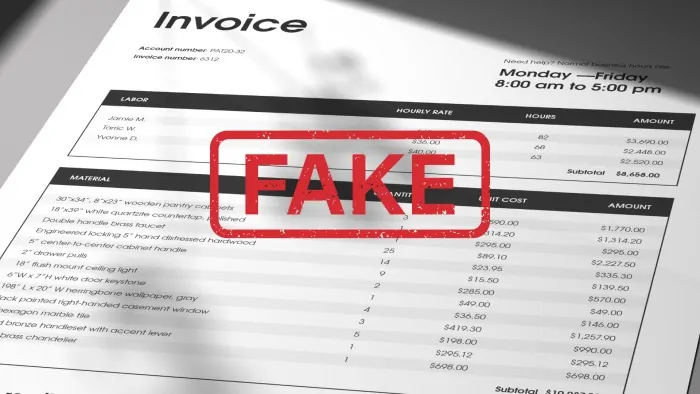
Fake invoices are fraudulent documents that appear to be legitimate invoices from a reputable company or vendor. They often contain the company’s logo, contact information, and a list of goods or services that were supposedly provided. These invoices may also include a due date and payment instructions, making them seem like a legitimate request for payment.
Scammers use a variety of methods to obtain personal information and create these fake invoices. They may hack into a company’s database to gather customer information or use phishing emails to trick individuals into providing their personal information. In some cases, scammers may even pose as a legitimate vendor and send fake invoices to their customers.
The Dangers of Fake Invoices
The most obvious danger of fake invoices is the financial loss that can result from paying for goods or services that were never received. This can be especially damaging for small businesses or individuals who may not have the resources to absorb these losses. In addition, fake invoices can also lead to identity theft if scammers are able to obtain personal information such as credit card numbers or social security numbers.
Another danger of fake invoices is the potential damage to a company’s reputation. If a business falls victim to a financial scam, it can erode trust with their customers and damage their credibility. This can have long-lasting effects on the success of the business.
How to Protect Yourself from Fake Invoices
Fortunately, there are steps you can take to protect yourself from falling victim to fake invoices in financial scams. Here are some tips to keep in mind:
- Be cautious of unsolicited invoices. If you receive an invoice from a company you are not familiar with, do some research before making any payments.
- Verify the legitimacy of the invoice. Check the company’s website or contact them directly to confirm that the invoice is legitimate.
- Double-check the details. Look for any discrepancies in the invoice, such as incorrect billing or shipping addresses, or unfamiliar products or services.
- Never provide personal information in response to an invoice. Legitimate companies will not ask for personal information through an invoice.
- Keep your personal information secure. Be cautious of sharing personal information online or over the phone, and regularly monitor your credit report for any suspicious activity.
What to Do if You Receive a Fake Invoice
If you receive a fake invoice, it is important to take action immediately. Here are the steps you should take:
- Do not pay the invoice. Contact the company listed on the invoice to verify its legitimacy.
- Report the scam. If you believe you have received a fake invoice, report it to the Federal Trade Commission (FTC) and your local law enforcement agency.
- Monitor your accounts. Keep a close eye on your bank and credit card statements for any unauthorized charges.
- Consider placing a fraud alert on your credit report. This will make it more difficult for scammers to open new accounts in your name.
How to Stay Informed About the Danger of Fake Invoices
Staying informed about the danger of fake invoices is crucial in today’s digital landscape, where sophisticated scams continue to target individuals and businesses alike. To begin with, it’s essential to stay updated on the latest trends and tactics employed by scammers. This involves regularly accessing reliable sources of information such as financial news websites, industry forums, and government advisories that highlight emerging threats and provide insights into how these scams operate.
Furthermore, subscribing to newsletters or email alerts from reputable financial institutions and cybersecurity organizations can also keep you informed about potential risks related to fake invoices. These organizations often issue timely warnings and guidance on recognizing and avoiding various types of scams, including those involving fraudulent invoices. By staying subscribed to these updates, you can stay ahead of evolving tactics used by scammers.
Another effective strategy is to participate in educational workshops or webinars hosted by experts in the field of cybersecurity and financial fraud prevention. These sessions often provide in-depth insights into the mechanics of fake invoice scams, common red flags to watch out for, and best practices for protecting yourself or your business from falling victim to such schemes. Additionally, engaging in discussions with peers and professionals in relevant industries can help exchange valuable insights and experiences about tackling fake invoice scams.
Leveraging online resources such as informative articles, case studies, and whitepapers on the topic can enhance your understanding of the risks associated with fake invoices. Many organizations publish educational content aimed at raising awareness about financial scams and empowering individuals with the knowledge needed to identify and avoid them. By dedicating time to self-education and remaining vigilant, you can equip yourself with the tools necessary to safeguard your finances and assets from potential harm.
The Importance of Educating Others About the Risks of Fake Invoices
Educating others about the risks of fake invoices is paramount in combating financial fraud and protecting individuals and businesses from falling victim to these deceptive schemes. Firstly, raising awareness about the prevalence and tactics of fake invoice scams is crucial in empowering individuals to recognize and avoid them. By highlighting common red flags such as unexpected or unusual payment requests, unfamiliar sender addresses, or discrepancies in invoice details, people can become more vigilant and skeptical of suspicious invoices they encounter.
Moreover, educating others about the potential consequences of falling for fake invoice scams underscores the importance of taking proactive measures to verify the legitimacy of invoices before making any payments. Emphasizing the financial losses, reputational damage, and legal implications that can result from falling victim to these scams can motivate individuals and organizations to prioritize due diligence and adopt robust invoice verification processes. By instilling a culture of skepticism and caution surrounding invoice payments, we can collectively mitigate the risks posed by fraudulent invoicing practices.
Fostering a collaborative approach to educating others about fake invoice scams can amplify the impact of awareness efforts and reach a broader audience. This can involve organizing workshops, seminars, or informational sessions within communities, workplaces, or industry groups to disseminate knowledge and share best practices for detecting and thwarting fake invoice scams. Additionally, leveraging digital platforms and social media channels to spread awareness through educational content, infographics, and real-life case studies can reach a wider audience and empower individuals to protect themselves against financial fraud. By collectively raising awareness and equipping others with the knowledge and tools needed to recognize and report fake invoices, we can work towards creating a safer and more resilient environment against financial scams.
Conclusion
Fake invoices are a common tactic used by scammers in financial scams. These fraudulent documents can result in significant financial losses and even lead to identity theft. By being cautious and taking the necessary precautions, you can protect yourself from falling victim to these scams. Remember to always verify the legitimacy of an invoice and never provide personal information in response to one. If you do receive a fake invoice, take immediate action to report the scam and protect your accounts. Stay vigilant and stay safe!