
 Multiple Faces Detected


 October 10th, 2023
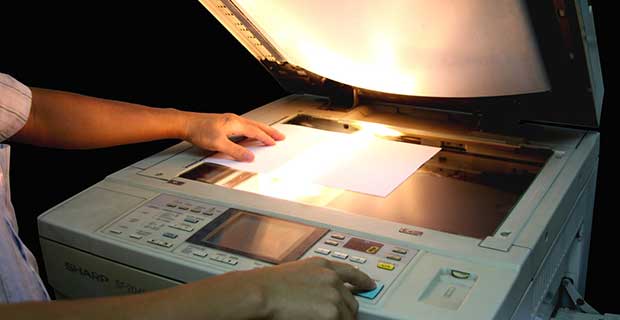
Have you ever been asked by a business if they could photocopy your identification? Chances are that if you’ve rented a hotel, car, or apartment, the answer is yes. But did you know that photocopying any U.S. government identification is actually a violation of federal law? In this blog post, we shed light on the legal implications of copying government ID cards and how it relates to spotting scammers. Whether you’re a military member, defense department employee, or a civilian, understanding these regulations is crucial to protect yourself from potential identity theft and fraudulent activities.
The Legal Landscape: Understanding the Law on Photocopying U.S. Government ID Cards
Understanding the legal landscape surrounding the photocopying of U.S. government ID cards is essential in protecting individuals from potential scams and identity theft. The law, specified in the United States Code, Part I, Chapter 33, Section 701, clearly states that copying any U.S. government ID card, including common access cards (CAC), is strictly prohibited. This legislation serves as a crucial safeguard against counterfeiting and fraudulent activities, with the intention of preserving the integrity of government identification systems.
The legal implications of photocopying U.S. government ID cards are significant. Violation of this law can result in fines and imprisonment for those found manufacturing, selling, or possessing any imitation or copy of a government ID card without proper authorization. By strictly enforcing this legislation, authorities aim to deter scammers and protect individuals from falling victim to identity theft or misuse of their personal information.
It is important to note that there are exceptions to the rule. Medical establishments, such as hospitals and doctor’s offices, are allowed to make copies of government ID cards for insurance and administrative purposes. Additionally, other government agencies may have authorized uses for copied ID cards when performing official government business. However, these exceptions do not extend to commercial establishments that request ID card copies for verification or providing government rates for services.
The reason behind prohibiting the photocopying of government ID cards lies in the potential misuse of the copied information by scammers. Criminals and terrorists often target U.S. government IDs for their illicit activities. By prohibiting the copying of these cards, authorities aim to minimize the risk of counterfeiting and identity-related crimes. It is crucial to remain vigilant and not provide scammers with the opportunity to use copied ID cards for their nefarious intentions.
To protect your identity and personal information, it is essential to understand the legal implications of ID card copying. When confronted by businesses requesting to copy your government ID card, it is within your rights to decline their request. Instead, you can offer alternative forms of identification, such as a state driver’s license or another government-issued photo ID, as a means of verification. By exercising caution and adhering to the law, you can minimize the risk of identity theft and protect yourself from potential scams.
Raising awareness about the legal landscape surrounding ID card copying is crucial in combating scams. By educating others about the legal restrictions and the potential risks associated with copying government ID cards, we can empower individuals to make informed decisions and safeguard their personal information. Together, we can create a more vigilant society that is resilient against scammers and identity-related fraud.
Why It Matters: Implications and Risks of Copying Government ID Cards
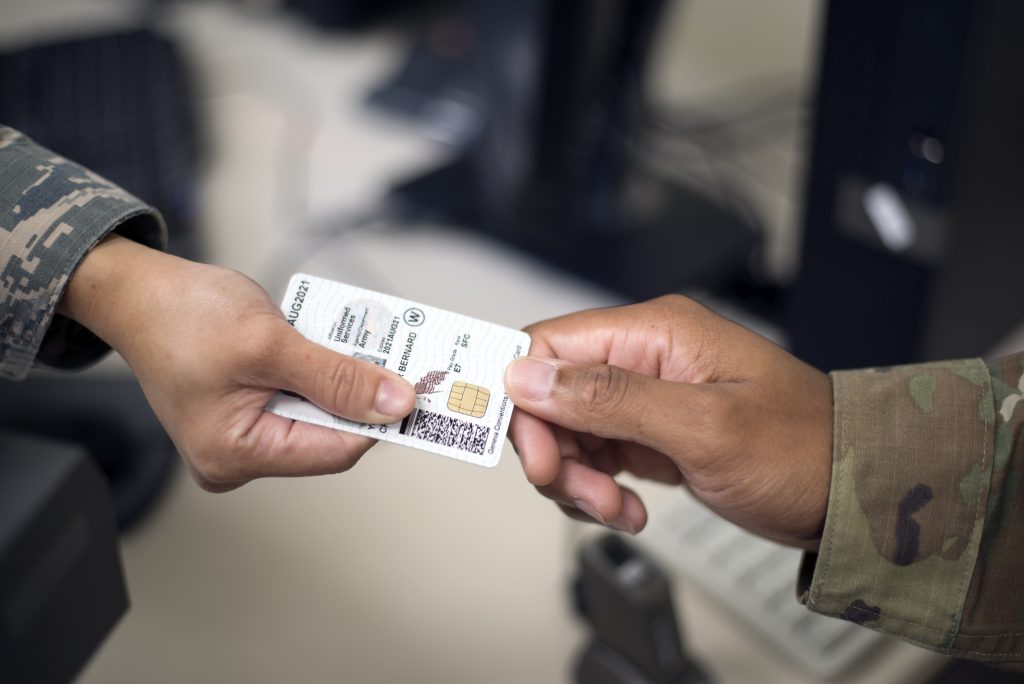
The act of copying government ID cards, such as common access cards (CAC) or other U.S. government-issued identification, carries significant implications and risks. Understanding why it matters is crucial in protecting individuals from falling victim to scams and identity theft orchestrated by scammers. When government ID cards are copied without proper authorization, several alarming consequences arise.
Firstly, copying government ID cards opens the door to potential identity theft. Scammers can exploit the information contained within these cards to assume someone’s identity, commit fraudulent activities, or gain unauthorized access to sensitive systems. By possessing a copied ID card, scammers can impersonate individuals and manipulate their personal data for their own gain, causing severe financial and reputational damage to the victims.
Secondly, copied government ID cards can be used for counterfeiting purposes. Scammers may create fake IDs by altering the copied information or producing replicas that closely resemble the original cards. These counterfeit IDs can then be employed for illegal activities, such as forging official documents, evading law enforcement, or accessing restricted areas. Such fraudulent use of government ID cards poses a significant risk to national security and public safety.
Furthermore, copying government ID cards provides scammers with an opportunity to exploit unsuspecting individuals or businesses. They may use the copied IDs as a means to deceive others into believing they hold certain credentials or affiliations, gaining unwarranted trust or access to resources. This manipulation can lead to financial losses, compromised personal information, or even facilitate broader fraudulent schemes targeting individuals or organizations.
The risks associated with copied government ID cards extend beyond immediate harm to individuals. By allowing scammers to access or create counterfeit IDs, there is a potential threat to the overall trust and integrity of government identification systems. The prevalence of fraudulent IDs diminishes the reliability of identification methods, making it more challenging to discern between genuine and fake credentials, and increasing the difficulty of combating identity-related crimes.
Understanding the implications and risks of copying government ID cards underscores the importance of adhering to the law and exercising caution. By protecting the privacy and security of government-issued identification, individuals can mitigate the risk of falling victim to scams orchestrated by scammers. Heightened awareness and adherence to legal and ethical practices contribute to a safer environment, both for individuals and the broader community, by reducing opportunities for fraud and identity theft.
Exceptions to the Rule: Instances Where ID Card Copying is Permitted
Exceptions to the Rule: Instances Where ID Card Copying is Permitted
- Medical Establishments: Hospitals, doctor’s offices, and other medical establishments are allowed to make copies of government ID cards for administrative purposes, such as filing insurance claims and maintaining patient records. This exception ensures proper documentation and billing processes within the healthcare system.
- Government Agencies: Some government agencies may have authorized uses for copied ID cards when performing official government business. This could include situations where identification verification is necessary for access to secure facilities or for conducting specific governmental operations. However, these instances are strictly regulated and limited to official purposes.
- Law Enforcement and Security Agencies: Law enforcement agencies, security firms, or other authorized entities responsible for maintaining public safety and security may be permitted to make copies of government ID cards during specific investigations or security clearance procedures. These exceptions are typically granted under strict guidelines and protocols.
- Employer Compliance: In certain circumstances, employers may be required to make copies of government ID cards for compliance with legal and regulatory requirements. This could be relevant in industries such as finance, transportation, or defense contracting, where employee identification is essential for background checks, security clearances, or regulatory compliance.
- Government Programs and Benefits: Government programs and benefit providers may require copies of government ID cards as part of the application or enrollment process. This is often the case for programs that involve eligibility verification, such as social welfare programs, veterans’ benefits, or government-issued identification for specific purposes.
- Legal and Court Proceedings: During legal proceedings, copies of government ID cards may be necessary for identification purposes or as evidence in court cases. This exception ensures the integrity and accuracy of identification information when dealing with legal matters and maintaining proper records within the judicial system.
Identifying Scammers: The Link Between Fake Military ID Cards and Fraudulent Intentions
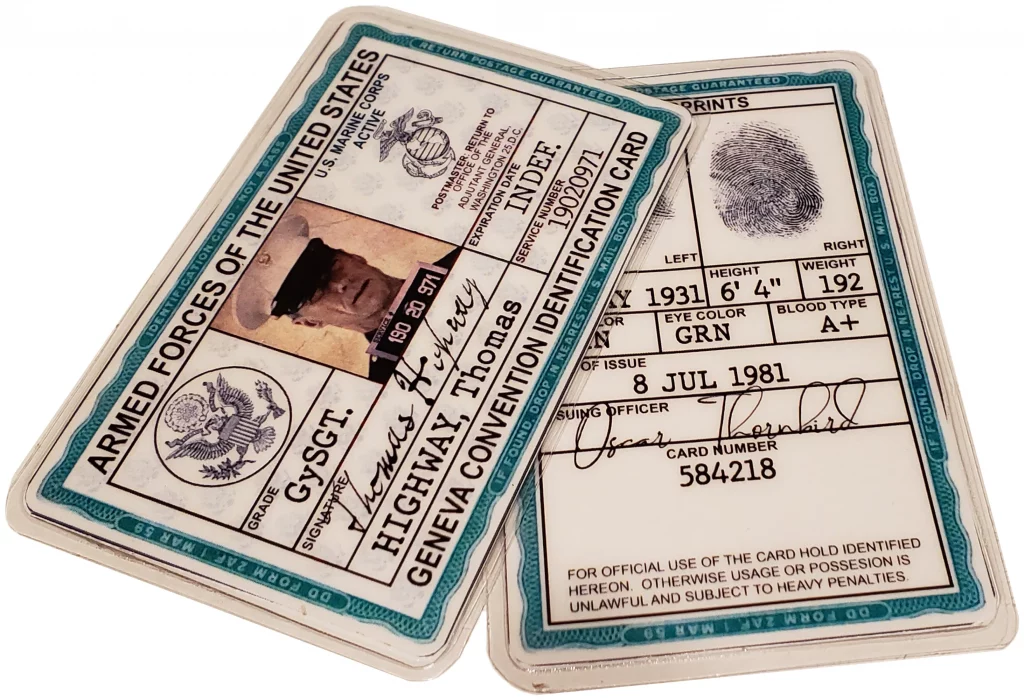
Identifying scammers is crucial in safeguarding oneself against fraudulent activities, and one particular red flag to watch out for is the presence of fake military ID cards. Scammers often utilize these forged documents to create an illusion of credibility and legitimacy, exploiting the trust and respect associated with military service. By understanding the link between fake military ID cards and fraudulent intentions, individuals can become more adept at recognizing and protecting themselves from scams.
Fake military ID cards serve as a powerful tool for scammers to manipulate emotions and gain the trust of their victims. The mere sight of a military ID card can evoke a sense of honor, sacrifice, and patriotism, creating a strong emotional connection with the scammer’s intended target. This emotional manipulation makes individuals more susceptible to believing the scammer’s stories and parting with their personal information or financial resources.
Furthermore, scammers use fake military ID cards to add credibility to their narratives and enhance their persuasive tactics. By posing as military personnel, they exploit the trust society places in those who serve in the armed forces. This can make it challenging for victims to question the authenticity of the scammer’s claims, leading them to comply with requests for money, personal information, or other forms of assistance.
The use of fake military ID cards also underscores the scammers’ intention to exploit the generosity and goodwill associated with supporting military personnel. Many scams play on the desire to help those in uniform, such as aiding with medical expenses, deployment costs, or emergency situations. By leveraging the perception of military service and the associated respect it commands, scammers aim to exploit the empathy and compassion of their targets.
Recognizing the link between fake military ID cards and fraudulent intentions requires a combination of vigilance and skepticism. It is essential to verify the authenticity of any military ID card presented by someone online or in person. Cross-checking the information provided, conducting independent research, and reaching out to official military channels can help confirm the legitimacy of the individual’s military status. It is important to remember that genuine military personnel typically do not request money or personal information from strangers.
By understanding the tactics employed by scammers using fake military ID cards, individuals can protect themselves and their finances from potential harm. Maintaining a healthy level of skepticism, verifying identities, and refraining from sharing personal or financial information with unknown individuals claiming military affiliation are crucial steps in avoiding falling victim to scams associated with fraudulent military ID cards.
Protecting Your Identity: Best Practices for Dealing with Businesses Requesting ID Card Copies
Understand Your Rights
Familiarize yourself with the laws and regulations regarding the copying of government ID cards in your jurisdiction. Be aware of your rights and the limitations imposed on businesses when requesting ID card copies.
Question the Necessity
When a business requests to make a copy of your ID card, ask them why it is necessary. Be cautious and discerning, especially if the purpose seems unrelated to the services they provide or if the request feels excessive or suspicious.
Offer Alternative Forms of Identification
Instead of providing your government ID card, offer alternative forms of identification, such as a state-issued driver’s license or a passport. These forms of identification can often serve the same verification purposes without the risk associated with providing your government ID card.
Limit the Information Shared
If you decide to provide a copy of your ID card, take precautionary measures to protect your identity. Consider covering or redacting sensitive information, such as your full Social Security number, home address, or other details that are not essential for the business’s purpose.
Inquire about Data Protection Measures
Before handing over your ID card or a copy of it, ask the business about their data protection measures. Ensure they have proper safeguards in place to protect your personal information from unauthorized access, loss, or misuse.
Securely Dispose of Copies
If you do allow a business to make a copy of your ID card, ensure that they securely dispose of it once it has served its purpose. Inquire about their data retention policies and confirm that they follow proper procedures for disposing of sensitive information.
Stay Informed
Keep yourself updated on identity theft prevention best practices and stay vigilant against potential scams. Regularly monitor your financial statements, credit reports, and be alert to any suspicious activity that could indicate unauthorized use of your personal information.
Report Suspicious Activity
If you encounter a business that you suspect is involved in fraudulent or illegal practices related to ID card copying, report your concerns to the appropriate authorities. This can help protect others from falling victim to identity theft or scams.
Educating Others: Spreading Awareness About ID Card Copying and Scam Detection
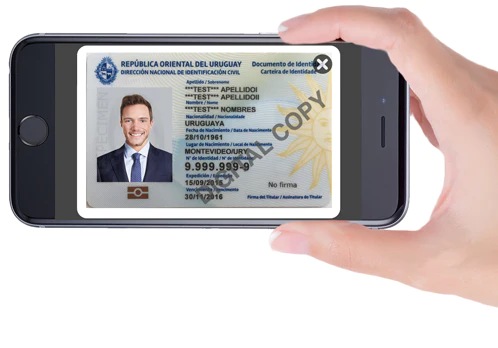
Educating others about the risks of ID card copying and scam detection is essential in creating a more vigilant and informed society. By spreading awareness, we empower individuals to recognize potential scams, protect their personal information, and avoid falling victim to fraudulent activities. Here are six key points to emphasize when educating others about ID card copying and scam detection:
- Teach others to identify red flags associated with ID card copying requests, such as businesses requesting copies without a legitimate reason or individuals claiming military affiliation and seeking financial assistance. Encourage them to trust their instincts and exercise caution when faced with suspicious situations.
- Inform others about the legal restrictions on copying government ID cards, emphasizing that it is against the law in most jurisdictions. Help them understand the potential risks associated with copying, including identity theft and misuse of personal information.
- Encourage individuals to offer alternative forms of identification, such as state-issued driver’s licenses or passports, when asked for ID card copies. Emphasize that these alternative forms can often serve the same verification purposes while minimizing the risk of identity theft.
- Illustrate real-life examples of scams involving fake military ID cards and the consequences individuals have faced. By sharing stories and experiences, you can make the topic more relatable and highlight the importance of staying vigilant and informed.
- Share reputable resources, websites, or government publications that provide detailed information on ID card copying laws, scam prevention, and reporting fraudulent activities. Point individuals towards reliable sources where they can learn more and stay updated on the latest scamming techniques.
- Stress the significance of reporting scams and suspicious activities to the appropriate authorities. Teach others how to report scams, such as contacting local law enforcement, filing complaints with consumer protection agencies, or reporting fraudulent activities to online platforms or websites hosting the scam.