Multiple Faces Detected


 July 6th, 2024
Phishing is a type of cyber attack where scammers try to trick individuals into giving away sensitive information such as passwords, credit card numbers, or personal data. It has become a major concern in today’s digital world, with hackers becoming more sophisticated in their methods. However, there is a new player in the game that is helping to combat this threat – artificial intelligence (AI).
AI has been making waves in various industries, from healthcare to finance, and now it’s taking on the world of cybersecurity. With its ability to analyze vast amounts of data and identify patterns, AI is proving to be a valuable tool in detecting and preventing phishing attacks. But how exactly does AI do this? And can we trust it to keep us safe from these sneaky scammers? Let’s find out in this funny and informative blog post.
The Basics of Phishing
Before we dive into the role of AI in detecting phishing, let’s first understand what phishing is and how it works. Phishing attacks usually start with an email, text message, or social media message that appears to be from a legitimate source, such as a bank or a well-known company. The message will often contain a sense of urgency, asking the recipient to click on a link or provide personal information to avoid a negative consequence, such as account suspension or a missed payment.
Once the victim falls for the bait and clicks on the link or provides the requested information, the scammers can gain access to their sensitive data and use it for malicious purposes. This could include stealing money, identity theft, or even installing malware on the victim’s device.
The Evolution of Phishing Techniques
Phishing scams have come a long way since their early days, evolving into more sophisticated and harder-to-detect attacks. In the beginning, phishing emails were often riddled with spelling mistakes and poor grammar, making them relatively easy to spot. However, modern phishing attacks have become much more convincing. Scammers now use professional-looking templates, logos, and email addresses that closely mimic legitimate organizations. They also employ tactics such as spear-phishing, where they target specific individuals or organizations by personalizing their messages based on information gathered from social media or other sources. This evolution makes it increasingly difficult for individuals and traditional security measures to identify phishing attempts.
One particularly insidious form of modern phishing is called “pharming,” where scammers redirect users from legitimate websites to fraudulent ones without their knowledge. This technique involves compromising the DNS (Domain Name System) settings of a legitimate website, so even if a user types in the correct URL, they are taken to a fake site designed to steal their information. AI can play a crucial role in combating these advanced phishing techniques by continuously analyzing web traffic and identifying unusual patterns that may indicate a pharming attack. By staying ahead of these evolving threats, AI helps protect users from falling victim to increasingly sophisticated phishing scams.
The Role of AI in Detecting Phishing
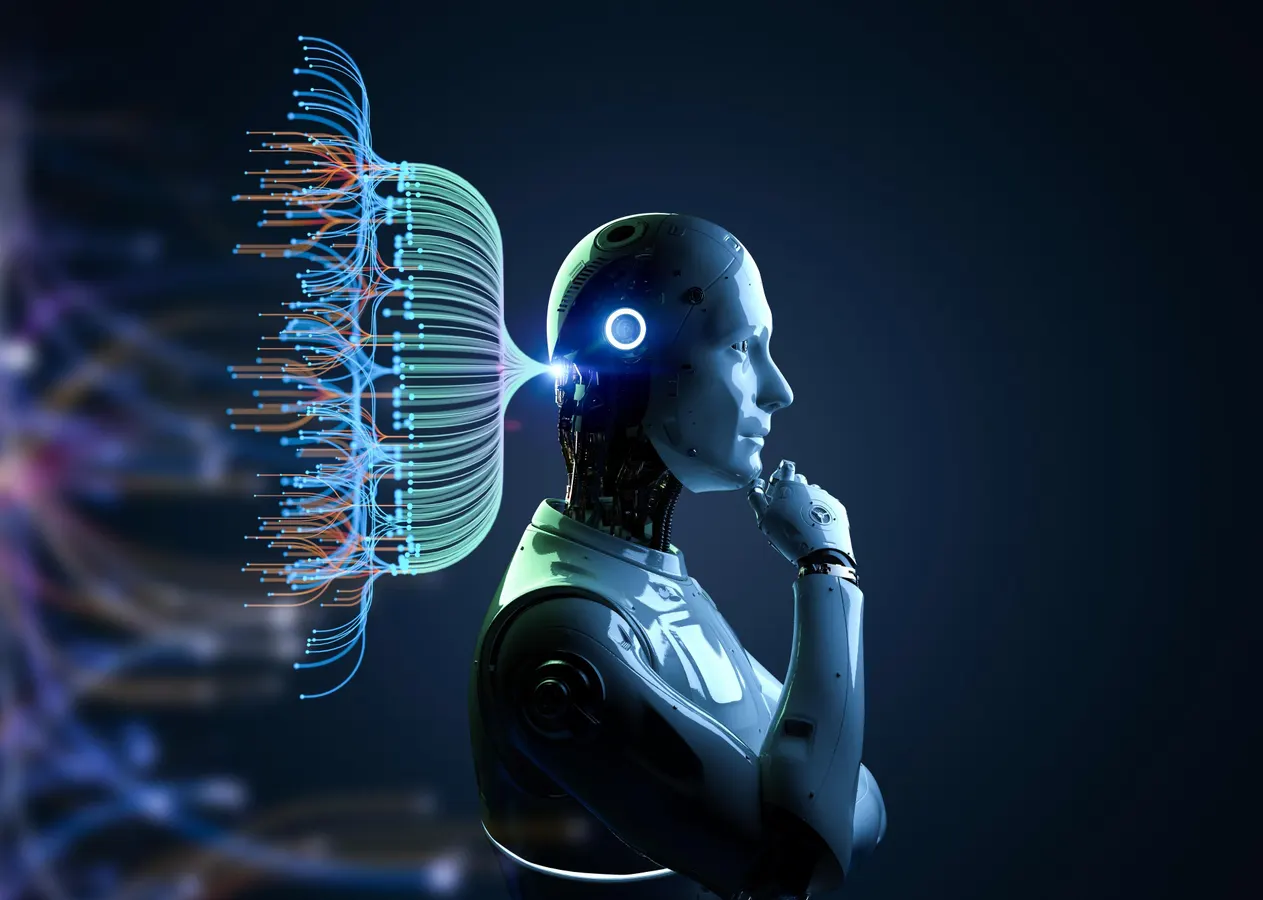
Now, let’s get to the good stuff – how AI is helping to detect and prevent phishing attacks. AI uses a combination of machine learning, natural language processing, and data analysis to identify patterns and anomalies in emails and messages that could indicate a phishing attempt. It can also learn from previous attacks and adapt its algorithms to better detect new and evolving phishing techniques.
One of the main advantages of using AI in phishing detection is its speed and accuracy. Unlike humans, AI can analyze thousands of emails and messages in a matter of seconds, making it a valuable tool for organizations that receive a high volume of emails. It can also detect subtle differences in language and formatting that may indicate a phishing attempt, which humans may overlook.
But AI is not just limited to detecting phishing emails. It can also be used to monitor and analyze website traffic, looking for suspicious activity that could indicate a phishing site. This is especially useful for e-commerce websites that may be targeted by scammers trying to steal credit card information.
Can We Trust AI to Keep Us Safe?
Now, you may be wondering – can we really trust AI to keep us safe from phishing attacks? After all, it’s just a machine, and machines can make mistakes, right? Well, the short answer is yes, we can trust AI, but with a few caveats.
Firstly, AI is not a replacement for human intelligence. While it can detect and prevent a large number of phishing attacks, it’s not foolproof. Scammers are constantly coming up with new and creative ways to trick people, and AI may not be able to catch all of them. That’s why it’s important to always be vigilant and use common sense when it comes to emails and messages asking for personal information.
Secondly, AI is only as good as the data it’s trained on. If the data is biased or incomplete, it can lead to inaccurate results. That’s why it’s crucial for organizations to continuously update and improve their AI systems to ensure they are effective in detecting phishing attacks.
The Importance of User Education and AI Collaboration
While AI is a powerful tool in the fight against phishing, it’s not a standalone solution. User education is equally important in preventing phishing attacks. Many phishing scams succeed because individuals are not aware of the telltale signs of a phishing attempt. Training programs that teach employees and individuals how to recognize suspicious emails, avoid clicking on unknown links, and verify the authenticity of requests for personal information can significantly reduce the risk of falling victim to phishing scams. Organizations should invest in regular cybersecurity training sessions and updates to keep their staff informed about the latest phishing tactics.
Furthermore, the collaboration between AI and human intelligence is crucial for robust phishing prevention. AI can handle large volumes of data and identify potential threats quickly, but it lacks the intuition and contextual understanding that humans possess. For instance, a well-trained employee might notice subtle inconsistencies in an email that an AI system might miss. By combining the strengths of AI with the vigilance and experience of trained individuals, organizations can create a more comprehensive defense against phishing attacks. Encouraging a culture of cybersecurity awareness, where employees feel comfortable reporting suspicious activity and collaborating with IT departments, can enhance the overall effectiveness of AI-based phishing detection systems.
Conclusion
AI is proving to be a valuable ally in the fight against phishing attacks. Its speed, accuracy, and ability to adapt make it a powerful tool for organizations and individuals looking to protect themselves from cyber threats. However, it’s important to remember that AI is not a replacement for human intelligence and should be used in conjunction with other security measures. So, stay alert, keep your personal information safe, and let AI do the heavy lifting when it comes to detecting phishing attempts.
Thank you for reading this funny and informative blog post on the role of AI in detecting phishing. We hope you enjoyed it and learned something new. Stay safe out there, and don’t fall for those phishing scams – unless you want to be the subject of our next blog post!