 Multiple Faces Detected


 July 27th, 2023
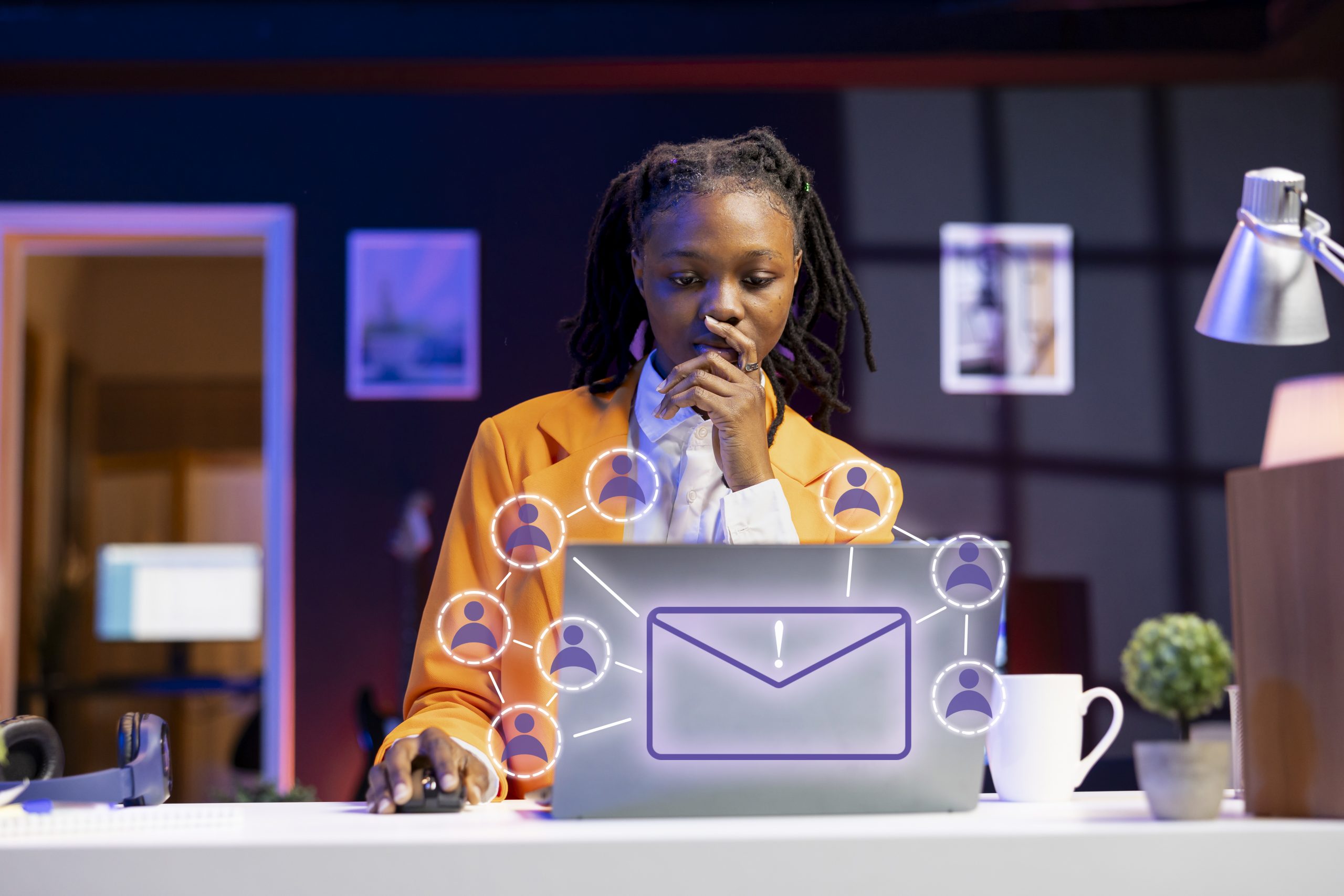
Email phishing continues to be one of the most prevalent and dangerous cyber threats in the digital landscape. Cybercriminals employ deceptive tactics to trick individuals and organizations into revealing sensitive information, such as passwords, financial data, or personal details. It is crucial to understand the strategies used by these malicious actors and arm ourselves with the knowledge to identify and prevent phishing attempts. In this blog post, we will explore effective tips and strategies to protect against email phishing. Join us as we delve into the world of phishing, learn how to spot red flags in suspicious emails, and discover best practices to keep your personal and confidential information secure. Let’s empower ourselves to stay one step ahead of phishing attempts and safeguard our online presence.
Understanding Email Phishing
Phishing attacks often rely on social engineering techniques to exploit human psychology and trust. Attackers craft emails that appear convincing, mimicking the look and feel of legitimate communications. They employ tactics such as urgency, fear, curiosity, or enticing offers to prompt recipients to act without careful consideration.
Phishers frequently impersonate well-known organizations, brands, or trusted individuals to gain credibility. They may forge email headers, making it appear as if the email originated from a legitimate source. This technique, known as email spoofing, can deceive recipients into believing the email is genuine.
pear phishing is a targeted form of phishing that tailors attacks to specific individuals or organizations. Attackers gather information about their targets from various sources, including social media profiles or publicly available information, to personalize the phishing email. By customizing the message, attackers increase the likelihood of success.
Phishing emails often contain malicious links or attachments. These links may direct users to fake websites designed to steal login credentials or infect their devices with malware. Attachments may contain malware disguised as legitimate documents or programs, which can compromise the recipient’s system upon opening.
Cybercriminals may obtain email addresses through various means, such as data breaches or purchasing lists from the dark web. With a vast pool of email addresses at their disposal, attackers can launch widespread phishing campaigns, targeting a large number of potential victims simultaneously.
Phishing techniques are constantly evolving as cybercriminals adapt to security measures and develop new tactics. Phishers may employ advanced tactics, including advanced social engineering, brand impersonation, or combining multiple attack vectors. Staying informed about the latest phishing trends is crucial to recognizing and mitigating emerging threats.
Identifying Phishing Red Flags
Phishing attacks can be sophisticated, but there are several red flags you can watch out for to help identify potential phishing emails. By recognizing these indicators, you can avoid falling victim to deceptive schemes.
Pay close attention to the email address of the sender. Phishing emails often use email addresses that resemble legitimate ones but may contain minor alterations or misspellings. Be cautious if the email address looks unfamiliar, contains random characters, or deviates from the standard format of the organization it claims to be from.
Phishing emails frequently contain grammatical mistakes, misspellings, or awkward sentence structures. Legitimate organizations usually have stringent proofreading processes, and their communications tend to be well-written and error-free. If you notice consistent grammar or spelling errors, it may be a sign of a phishing attempt.
Phishing emails often employ urgency or create a sense of fear to manipulate recipients into acting quickly without proper consideration. Be cautious of emails that contain time-sensitive requests, threats of account suspension, or warnings of dire consequences if you fail to provide information or take immediate action. Legitimate organizations typically communicate important matters in a professional and non-threatening manner.
Be wary of emails that request sensitive information, such as passwords, Social Security numbers, or financial details. Legitimate organizations rarely ask for such information via email, as they understand the importance of protecting customer data. If an email urges you to provide sensitive information or update account details by clicking on a link, exercise caution and verify the request through other trusted channels.
Phishing emails often include suspicious attachments or links. Avoid opening attachments or clicking on links if you have any doubts about their legitimacy. Attachments may contain malware that can compromise your system, while links can lead to fake websites designed to steal your personal information. Hover over links to preview the URL and verify if it matches the expected destination.
Phishing emails may contain unusual requests, such as transferring funds to unfamiliar accounts or participating in suspicious activities. They may also tempt you with offers that seem too good to be true, such as lottery winnings or exclusive deals. Exercise caution when encountering such requests or offers, as they could be attempts to deceive and manipulate you.
Protecting Against Email Phishing
Be Skeptical
Maintain a skeptical mindset when dealing with emails, especially those that request sensitive information or create a sense of urgency. Question the legitimacy of the email and consider whether it aligns with your normal communication patterns.
Verify Sender Identity
Verify the sender’s identity before taking any action. Check the email address carefully for any signs of alteration or misspellings. If in doubt, contact the organization directly through their official website or phone number to confirm the email’s authenticity.
Be Cautious with Links and Attachments
Avoid clicking on suspicious links or opening unexpected email attachments. Hover your mouse over links to view the URL and ensure it matches the expected destination. Scan attachments with reputable antivirus software before opening them.
Implement Strong Passwords
Use strong, unique passwords for your email accounts and avoid reusing them across multiple platforms. Incorporate a combination of uppercase and lowercase letters, numbers, and symbols. Regularly update your passwords and enable multi-factor authentication for added security.
Enable Spam Filters
Enable spam filters and email security features provided by your email service provider. These filters can help detect and divert phishing emails into the spam folder, reducing the risk of exposure to potential threats.
Keep Software Updated
Ensure that your email client, operating system, and antivirus software are up to date. Software updates often include security patches that address vulnerabilities and protect against known phishing techniques.
Educate Yourself
Stay informed about the latest phishing trends, techniques, and red flags. Educate yourself about phishing through reliable sources and regularly communicate best practices with friends, family, and colleagues to raise awareness.
Report and Delete Suspected Phishing Emails
If you receive a suspected phishing email, report it to your email service provider and relevant authorities. Avoid interacting with the email, including clicking on links or providing any personal information. Delete the email from your inbox and trash folder to avoid accidental access.
Use Email Encryption
Consider using email encryption methods, such as S/MIME or PGP, to add an extra layer of protection to your email communications. Encryption can help safeguard the content of your emails and prevent unauthorized access.
Stay Updated and Vigilant
Keep up with the latest security practices and emerging phishing techniques. Stay vigilant when it comes to email communications and remain cautious even if an email appears legitimate. Remember that cybercriminals are constantly evolving their tactics, so staying informed is essential for staying protected.
Educating and Raising Awareness
Education and awareness play a crucial role in combating email phishing and protecting individuals and organizations from falling victim to these fraudulent schemes. By providing education and raising awareness about email phishing, we can empower individuals to recognize and respond effectively to phishing attempts. Here are six key points to consider when it comes to educating and raising awareness about email phishing:
- Recognizing Phishing Tactics: Educating individuals about common phishing tactics helps them understand the techniques used by cybercriminals. Provide examples of phishing emails and highlight the red flags to look out for, such as suspicious sender addresses, grammatical errors, urgent requests, or requests for sensitive information. By familiarizing individuals with these tactics, they can become more proactive in identifying potential phishing attempts.
- Phishing Awareness Training: Conduct phishing awareness training sessions for individuals in both personal and professional settings. These sessions can educate participants about the risks of email phishing, demonstrate real-life phishing examples, and provide guidance on how to respond effectively. Interactive training exercises can help individuals practice identifying phishing emails and reinforce their understanding of phishing prevention strategies.
- Sharing Real-Life Examples: Sharing real-life examples of successful phishing attacks can make a strong impact and raise awareness about the potential consequences. Emphasize the financial, reputational, and personal risks associated with falling victim to phishing attempts. Hearing stories or case studies of individuals or organizations who have experienced the consequences of phishing can make the threat more tangible and encourage individuals to take preventive measures seriously.
- Regular Communication and Updates: Maintain regular communication channels to provide updates and reminders about email phishing. This can be done through newsletters, email bulletins, or internal communications in organizations. Keep individuals informed about emerging phishing techniques, new trends, and best practices for email security. By staying proactive and continuously updating individuals, you help them stay vigilant against evolving phishing tactics.
- Encouraging Reporting: Encourage individuals to report suspicious emails and phishing attempts promptly. Establish a clear reporting mechanism and communicate its importance. Reporting allows security teams or IT departments to investigate and take appropriate action to mitigate the impact of phishing attempts. Promote a culture where individuals feel safe reporting without fear of retribution.
- Collaborating with IT Departments: Foster collaboration between individuals and IT departments to strengthen email security practices. IT teams can provide guidance, technical solutions, and resources to enhance email filtering, implement robust security measures, and respond to reported phishing attempts effectively. By working together, individuals and IT departments can create a united front against phishing attacks.