
 Multiple Faces Detected



 January 14th, 2025
Medicare Scam Calls: Tips to Spot and Report Fraud

Medicare scam calls are among the most common methods fraudsters can use to steal confidential health information.
They can use phone number spoofing to manipulate you into thinking they are legitimate before asking for your medical information. Believe it or not, criminals find Medicare numbers more valuable than financial accounts or SSNs.
How can you identify a Medicare imposter trying to scam you? This article will answer this question. We explore how Medicare Scam calls work, what to do if your Medicare number has been compromised, and how to prevent scam callers from accessing you.
Key Takeaways
- Fraudsters use Medicare scam calls to exploit you financially. Luckily, it is easy to identify their tactics.
- If you receive a medicare scam call, do not provide information. Instead, report the call. If you are already a victim, notify the relevant authorities. Seek to uncover the perpetrator’s real identity using expert search specialists.
- Prevent future attacks by keeping up with common scam techniques, blocking scam calls, and taking effective measures to protect your information.
How to Identify Medicare Scam Calls
Anyone can be a victim of Medicare scam calls. Usually, it happens when a criminal calls your number, posing as an employee of Medicare or a healthcare insurance provider. These scammers understand the importance of looking legitimate. As a result, they will try to manipulate your caller ID using spoofing technology to display their numbers as being from Medicare or a legitimate insurance provider.
The scammer will then use a well-thought-out strategy to manipulate you. They can use your personal information that they either found online or in a data breach to create a sense of credibility.
After using it to identify you, they will create a false story about your Medicare to create a sense of urgency. Examples of such stories include that you are qualified for special plans that charge lower fees, or your Medicare will expire, and you will lose all the benefits.
After targeting your emotions, they will ask you about your Medicare number to verify it. They can also ask you for other personal information such as your address, name, financial information, date of birth, and SSN. Sometimes, the scammers can ask for additional benefits by convincing you to send them the money required to pay certain charges. When you decline to comply with them, they can use a scare tactic to instill fear. For example, they can threaten to cancel your accounts and that you will lose all your benefits.
On the other hand, when you fail to identify them and send your information, they can use it to steal your identity, commit financial fraud against you, or target you with more scams.
According to information from Medicare’s Website, you can only receive a call from them for two reasons. First, if you are a drug or health plan member, the provider can call you to verify or notify you about something. Secondly, a customer care representative can also call you if you try to call them.
Usually, they send a message to tell you that they will call. Therefore, any time you get a call from someone claiming to be a Medicare agent for any reason apart from the two, know that a scam caller is targeting you. In most cases, Medicare customers are the ones who do the calling.
Steps to Take if You Receive a Medicare Scam Call

Medicare scam callers lack professionalism. They can either be persuasive or aggressive. However, do not panic when you receive such calls because they only want your personal information. Instead:
a). Do not share your personal information
When you receive a call from someone claiming to be from Medicare, do not give out your confidential information. Regardless of their legitimacy, Medicare cannot call you to sell their services or market their products. Therefore, protect yourself by failing to comply.
b). Cut any communication immediately
Hang up the phone when you receive a Medicare scam call. If the scammer uses ID spoofing, you can always watch out for the red flags. How they talk and if they ask for your personal information can give them out. You can also contact Medicare through their official website or by calling their number (1-800-MEDICARE) free of charge. Remember, do not call back the phone number they used to contact you.
c). Report the call
When you identify that the call is from Medicare scammers, report it immediately. You can call their fraud hotline (1-800-HHS-TIPS) or direct contact. Similarly, you can also report it as a telemarketing call to the Federal Communication Commission.
Already a Victim of Medicare Scam Call?
If you have already given a Medicare scam caller your private information, you risk being exploited through financial fraud and identity theft. You should act swiftly to minimize the damage. The following steps should guide you:
I) Gather all evidence
The first step you should take when you have been scammed of your Medicare information is to gather all the evidence. Note down the number and identity provided by the scammer. If you sent them any money, note down the account number you transferred the funds to. This information will be useful when you report or trace the scammer.
II). Report the incident to the relevant bodies
After gathering all the information, you can use it to report your case to the relevant authorities. First, you can access Medicare’s Reporting Fraud and Abuse page to find information about the right department to file your complaint. In addition, file an identity theft report at the Federal Trade Commission (FTC) to dispute any fraudulent claim they might make. Lastly, visit or contact your local law enforcement, such as the police in your area of residence. File an identity theft report and provide as much information as possible to enable them to track the perpetrator.
II). Contact your financial institution
This step applies if you provided the scammer with your financial and personal information. You can contact your bank to let them know of a potential fraud.
Scammers can use your data to open new accounts in your name and use it for fraudulent dealings like money laundering or processing new loans. As a result, the bank can freeze your credit report, cancel your accounts, and advise if you need to open new accounts.
III). Use reverse search technology to verify the identity of the scammer
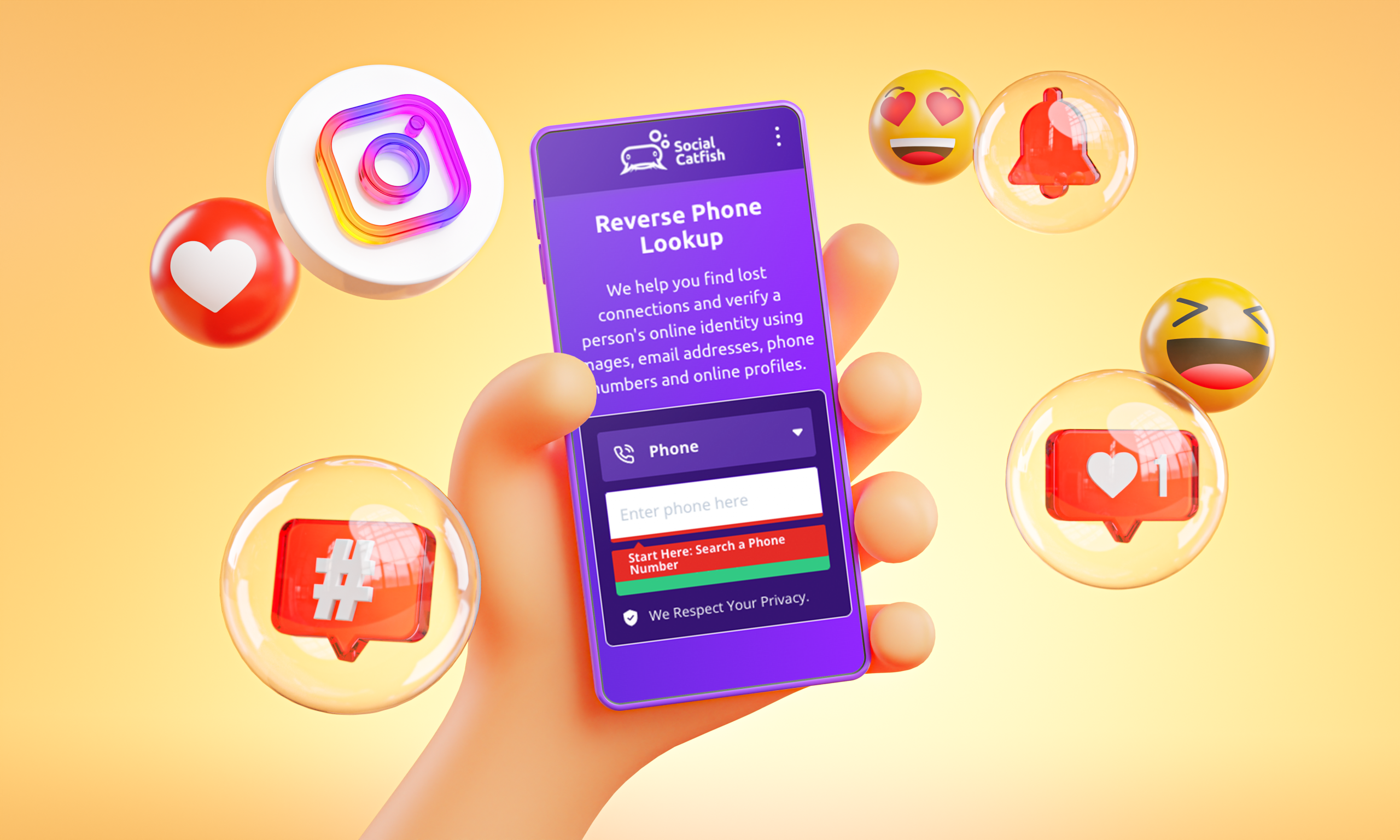
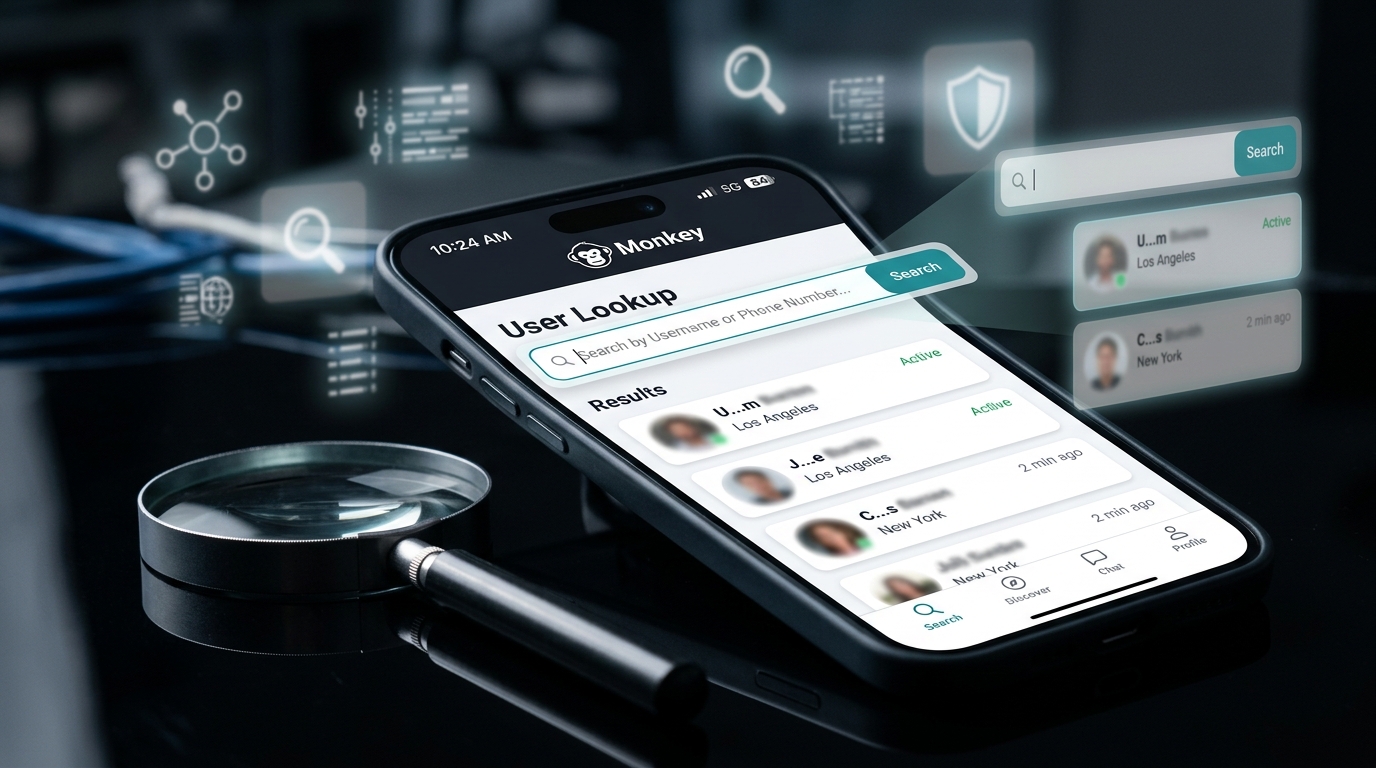
One final security measure you should consider using is reverse search tools. Any detail you collected from the scammer, such as their phone number or bank account details, can help you retrieve additional details about them. Reverse search tools, like Social Catfish, have access to billions of databases that can find any information online. It gives you the ability to hire skilled search specialists who can see the perpetrators’ information in a short time. When you have their real identities, you can forward them to law enforcement, bring them to face the law, and reimburse what you lost in the process.
In addition, reverse search platforms can help you determine if your information is being used illegally on the internet. Using your image and information, you can trace any online sites that have your data and take it down. This will help you prevent further identity theft and reputational damage.
Preventing Future Medicare Scam Calls
You can prevent future scam calls by protecting your personal information from easy access. You can do this by:
a). Blocking scam calls on your devices
You can limit the number of scams and spam calls to prevent fraudsters from reaching you. There are various services that you can leverage to achieve this. iOS and Android devices have built-in and third-party apps that block scam calls.
b). Learning common scammer tactics
When you learn to identify the common tactics that scammers are likely to use, you will avoid being their victim. For instance, they use random numbers, claim to be from legitimate organizations, and use emotional tactics to create a sense of urgency.
c). Protecting your personal information
Scammers depend on your personal information to commit crimes. Avoid sharing your information with strangers or on public platforms. Additionally, place strong security measures on your online accounts and devices. You should consider using strong and unique passwords and incorporating 2FA. Avoid visiting malicious websites and clicking on strange links to prevent scammers from accessing your information.
Final Thoughts
Do not give out your medicare number at any given time. Remember, Medicare cannot call you using random numbers or request your personal information. However, if you are a victim, let the relevant social catfish answer and solve your problem.