Multiple Faces Detected


 March 3rd, 2026
Buy now, pay later has gone from a niche checkout option to one of the most popular ways Americans finance everyday purchases. Affirm alone processes billions of dollars in transactions each year, partnering with thousands of retailers from Amazon to Walmart. And with that kind of scale comes an inevitable question: is it actually safe?
The short answer is yes. Affirm is a legitimate, regulated financial company. But that doesn’t mean using it is without risk. According to the Federal Trade Commission, consumers reported losing more than $12.5 billion to fraud in 2024, a 25% increase over the prior year, and online shopping scams were the second most commonly reported fraud category. As BNPL services have exploded in popularity, scammers have followed, creating fake Affirm communications, spoofed checkout pages, and identity theft schemes designed to exploit users of the platform.
Knowing how Affirm works, what protections it offers, and where the real risks lie is the smartest thing you can do before your next purchase. Using tools like Social Catfish can also help you verify the legitimacy of unfamiliar online sellers before you ever reach the checkout page.
What Is Affirm and How Does It Work?

Affirm is a buy now, pay later (BNPL) financial technology company founded in 2012. It allows consumers to split purchases into installment payments at checkout, either online or in-store, rather than paying the full amount upfront. When you choose Affirm at checkout, the company performs a soft credit check and either approves or declines the loan in real time. If approved, Affirm pays the merchant in full, and you repay Affirm over time, either in interest-free installments or with interest depending on the loan terms and the retailer.
Unlike many credit card arrangements, Affirm charges no late fees, no prepayment penalties, and no hidden charges. Interest rates vary based on the purchase, the merchant, and your credit profile, ranging from 0% APR on promotional offers to higher rates on longer-term financing. Missing payments can result in interest charges and may be reported to credit bureaus, which can affect your credit score.
Affirm is a publicly traded company, compliant with major financial security frameworks including SOC 2 Type II and PCI DSS Level 1, and uses bank-grade encryption to protect user data.
Is Affirm a Legitimate Company?
Yes. Affirm is a legitimate, publicly traded financial services company that partners with thousands of reputable retailers. Independent review platforms consistently rate it highly. NerdWallet gives it 5.0 out of 5.0 stars and Bankrate rates it 4.8 out of 5.0, citing its transparent fee structure and flexible repayment options.
The Consumer Financial Protection Bureau (CFPB) has studied the BNPL market extensively and named Affirm as one of the six major BNPL providers in its research alongside Afterpay, Klarna, PayPal, Sezzle, and Zip. The platform operates within established financial regulatory frameworks and is not a scam.
That said, Affirm is not immune to the fraud risks that affect all financial platforms. In 2024, Affirm was affected by a data breach at its third-party banking partner, Evolve Bank and Trust. After an Evolve employee clicked a malicious link, attackers accessed systems containing the personal information of Affirm Card users, including names, Social Security numbers, bank account details, and contact information. The stolen data was later leaked on the dark web after Evolve refused to pay a ransom. Affirm confirmed its own internal systems were not accessed and stated that customers would not be held liable for any unauthorized transactions resulting from the breach.
The incident was a reminder that even reputable platforms can be caught up in third-party security failures and that staying informed and vigilant matters regardless of which financial service you use.
The Real Risks: Where Affirm Users Get Scammed
The platform itself is safe. The scams targeting Affirm users, however, are very real. Here are the most common ways people get defrauded in connection with BNPL services like Affirm:
Phishing Emails and Fake Affirm Communications
Scammers send emails that appear to come from Affirm using official-looking logos, language, and formatting, claiming there is a problem with your account, a payment has failed, or unusual activity has been detected. The email contains a link to a fake Affirm login page designed to capture your username and password. Once they have your credentials, they access your real account and make unauthorized purchases.
Affirm will never ask you for your PIN, passcode, or full account credentials via email or phone. If you receive a message like this, go directly to affirm.com by typing it into your browser. Never click the link in the email.
Fake Online Stores Using Affirm Branding
Fraudulent online retailers sometimes display Affirm’s logo at checkout to appear more credible and trustworthy. A shopper sees the familiar BNPL option, assumes the store is legitimate, and completes a purchase only to receive nothing or a counterfeit product. The Affirm branding creates a false sense of security that the seller has been vetted.
Before shopping at an unfamiliar online store, verify the retailer’s legitimacy independently. Social Catfish allows you to search the seller’s name, website, or contact information to check whether they have a legitimate online presence and whether the details they’ve provided are consistent and verifiable.
Account Takeover Fraud
Criminals use stolen login credentials, often obtained through data breaches or phishing attacks, to access Affirm accounts and make purchases in the victim’s name. This type of fraud is especially damaging because purchases are processed quickly and may be difficult to reverse. Account takeover fraud grew significantly in 2024 and 2025, with attackers using phishing, SIM-swapping, and social engineering to bypass two-factor authentication.
Identity Theft Through Fake BNPL Applications
Because BNPL applications typically involve only a soft credit inquiry, they are an attractive target for identity thieves. A fraudster with access to your personal information, name, date of birth, Social Security number, and address can apply for an Affirm loan in your name, make purchases, and leave you responsible for the debt. In many cases, victims don’t discover the fraud until they see unfamiliar accounts on their credit report.
Smishing — Fake Affirm Text Messages
Scammers send text messages claiming to be from Affirm, warning of a suspicious transaction or a failed payment, and directing the recipient to click a link to verify their account. In 2024, the FTC reported that losses to text scams reached $470 million, more than five times the amount reported in 2020. Fake financial service alerts are among the most commonly reported smishing schemes.
How to Use Affirm Safely: 8 Practical Tips
1. Only Use Affirm on Verified Retailer Websites
Stick to well-known retailers or merchants you can independently verify before checking out with Affirm. If you’ve landed on an unfamiliar website through a social media ad or a search result, take time to research the store before entering any financial information.
2. Verify Unknown Sellers Before You Buy
This is where a lot of people get caught. A store can look professional, display trust badges, and even offer Affirm as a payment option while being completely fraudulent. Before purchasing from an unfamiliar online retailer, run a search on Social Catfish to verify their identity, cross-reference contact details, and check whether their online presence is consistent. A reverse search on their email address, phone number, or business name can surface red flags before any money changes hands.
3. Enable Two-Factor Authentication on Your Affirm Account
Two-factor authentication adds a critical layer of security to your account. Even if a scammer obtains your password, they won’t be able to log in without access to your phone or authentication app. Enable it in your account settings and use an authentication app rather than SMS where possible.
4. Never Click Links in Emails or Texts Claiming to Be From Affirm
Always navigate to Affirm’s website directly by typing affirm.com into your browser. Affirm will never ask you for your full login credentials, PIN, or passcode via email, text, or phone. If you receive a message asking for this information, treat it as a phishing attempt regardless of how official it appears.
5. Use a Dedicated Email Address for Financial Accounts
Consider using a separate email address exclusively for financial accounts like Affirm, your bank, and your credit cards. This reduces the risk of that email address being exposed in an unrelated data breach and lowers the likelihood of it being targeted with phishing attempts.
6. Monitor Your Affirm Account and Credit Report Regularly
Log in to your Affirm account regularly to review your loan history and active purchases. If you notice any transactions you didn’t authorize, report them to Affirm immediately. Additionally, check your credit report periodically at AnnualCreditReport.com for any BNPL accounts or inquiries you don’t recognize.
7. Use Strong, Unique Passwords
Never reuse a password across financial accounts. If one platform is compromised in a data breach, as happened with Evolve Bank in 2024, every account sharing that password becomes vulnerable. Use a reputable password manager to generate and store unique passwords for each account.
8. Be Skeptical of Deals That Seem Too Good to Be True
Scammers running fake online stores often advertise deeply discounted products to attract buyers quickly. If a price seems unusually low for a brand-name item, especially on a site you’ve never heard of, treat it as a warning sign and verify the retailer before proceeding.
What to Do If You’ve Been Scammed Through a BNPL Service
If you believe you’ve been a victim of fraud connected to Affirm or another BNPL service, act quickly. Contact Affirm directly at affirm.com and report the unauthorized activity. Affirm states that customers will not be held responsible for unauthorized purchases made on their accounts. Contact your bank if any linked accounts were accessed. File a fraud report with the FTC at ReportFraud.ftc.gov and place a fraud alert or credit freeze on your credit reports at Equifax, Experian, and TransUnion. If your Social Security number or other personal data was exposed, visit IdentityTheft.gov for a personalized recovery plan.
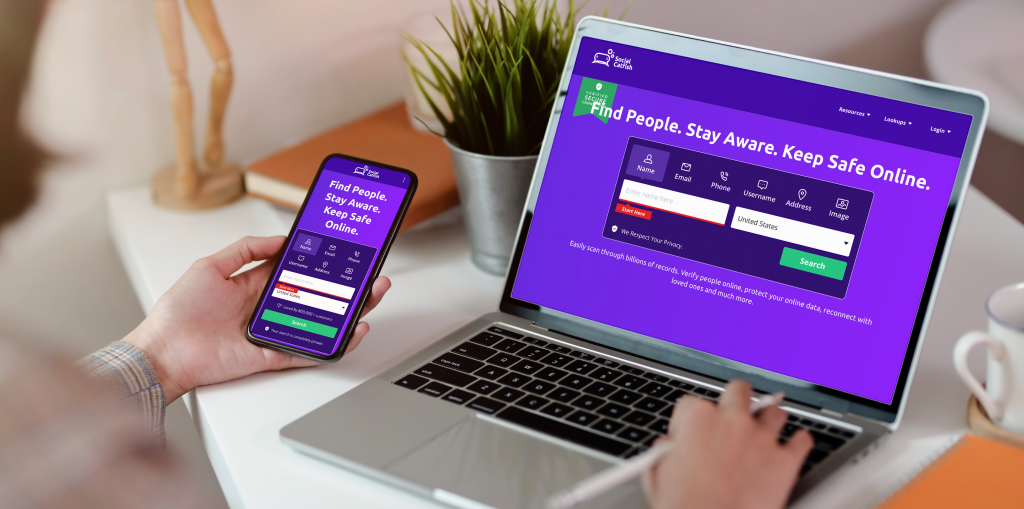
If you’re unsure whether the seller or person behind the transaction was legitimate in the first place, run a search on Social Catfish using their name, email address, phone number, or image. This can help you confirm whether you were dealing with a fraudulent identity and gives you documented evidence to include in any fraud report you file.
Frequently Asked Questions
Yes. Affirm is a legitimate, publicly traded financial company with strong security practices, including bank-grade encryption and compliance with major financial security frameworks. The risks associated with Affirm come primarily from external scams, phishing, fake retailers, and account takeover attempts rather than from the platform itself.
Yes, if a fraudster has access to your personal information, such as your name, date of birth, Social Security number, and address, they may be able to apply for a BNPL loan in your name. Placing a credit freeze at all three major credit bureaus is one of the most effective ways to prevent this.
Do not click any links. Navigate directly to affirm.com by typing it into your browser and logging in from there. Forward the suspicious email to security@affirm.com so their team can investigate. Affirm will never ask for your full login credentials, PIN, or passcode via email.
Affirm encourages users to first attempt to resolve disputes directly with the merchant. If that fails, you can contact Affirm to dispute the transaction. The CFPB issued a rule in 2024 requiring BNPL providers to offer dispute protections similar to those provided by credit cards, though enforcement of this rule has since been paused.
Look for verifiable contact information, consistent branding, and real customer reviews on independent platforms. You can also run the seller’s name, email, phone number, or website through Social Catfish to verify their identity and check whether their online presence is consistent and trustworthy before making any purchase.
The Bottom Line
Affirm is a legitimate and widely used financial service, not a scam. But like any platform that handles sensitive personal and financial data at scale, it attracts fraudsters who want to exploit its users. Phishing emails, fake retailers displaying Affirm’s branding, account takeovers, and identity theft are all real threats that Affirm users need to be aware of.
The good news is that most of these risks are manageable with basic precautions: strong passwords, two-factor authentication, skepticism toward unsolicited messages, and taking a moment to verify unfamiliar sellers before checking out. If you’re ever unsure about a retailer or a contact claiming to represent a financial service, a quick search on Social Catfish can save you from a costly mistake.
Shop smart, verify first, and never let a familiar logo at checkout be a substitute for due diligence.