 Multiple Faces Detected


 March 22nd, 2026
You didn’t share your address publicly. You set your social media to private. You’ve never posted anything you’d be embarrassed by. And yet someone has your information, your photos, your contact details, your location, and they’re using it in ways you never agreed to.
That’s what an invasion of privacy looks like in 2026. It’s rarely dramatic. It’s mostly invisible until it isn’t.
This guide covers what invasion of privacy actually means online, the most common ways it happens, your rights, and the practical steps you can take to find out if it’s happening to you.
One of the most direct ways to check whether your personal information or photos are being misused online is to search for yourself. Social Catfish lets you run a reverse image search, name search, or phone lookup on your own information to see what strangers can find and whether any of it is being used without your permission.
What Is Invasion of Privacy?
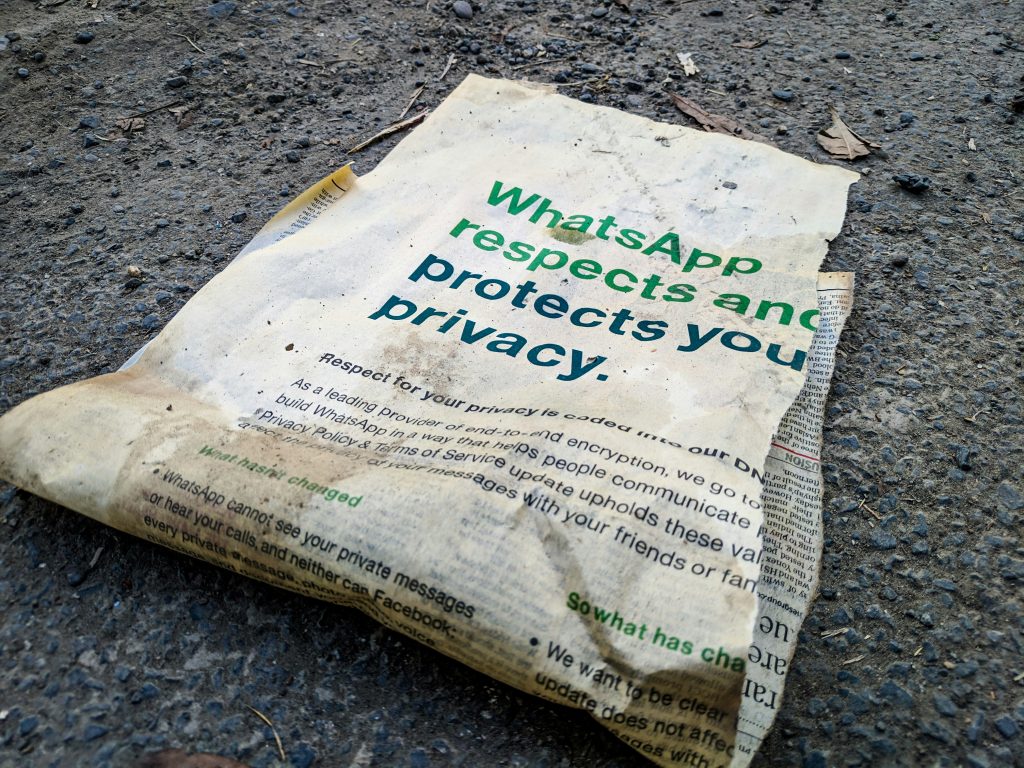
Invasion of privacy is the violation of a person’s reasonable expectation that their personal information, image, or private life will remain their own. It doesn’t require a hacker, a data breach, or a criminal; it can happen through negligence, misuse, or deliberate exploitation of information that’s technically accessible but was never intended to be used the way it’s being used.
Legally, invasion of privacy in the United States covers several distinct categories:
- Intrusion upon seclusion — accessing someone’s private space or communications without consent
- Public disclosure of private facts — sharing true but private information that a reasonable person would find objectionable to make public
- False light — publishing misleading information that creates a false impression of someone
- Appropriation — using someone’s name, likeness, or image for commercial purposes without permission
Online, these categories blend with newer forms of privacy violation that the law has been slower to address: data harvesting, doxxing, non-consensual image sharing, identity theft, and the use of AI to generate false representations of real people.
How Invasion of Your Privacy Happens Online
Data Brokers and People Search Sites
Data brokers collect publicly available information, your name, address, phone number, email, family members, employment history, and more, and sell it to marketers, investigators, and anyone else willing to pay. Most people have no idea how much information is available about them through these services, and no memory of ever consenting to it being compiled.
Nine out of ten Americans consider online privacy an important issue, yet the data broker industry operates largely without consumer awareness. Your information appears in dozens of databases you’ve never interacted with, compiled from voter registrations, property records, social media activity, and commercial transaction data.
Data Breaches
The global average cost of a data breach was $4.44 million in 2025, with the United States averaging $10.22 million per breach, an all-time high for any region. Behind those numbers are real individuals whose email addresses, passwords, Social Security numbers, financial details, and health information were exposed without their knowledge or consent.
Synthetic identity theft surged more than 300% in early 2025, with criminals using real and fake data, including AI-generated documents, to create false identities, contributing to $3.3 billion in fraud exposure.
When your data is exposed in a breach, the invasion of your privacy doesn’t end with the breach itself. Your information enters criminal markets where it can be bought, sold, and used for years afterward.
Photo Theft and Image Misuse
Most people post photos on social media without thinking about who might save and repurpose them. In practice, photos posted publicly or even semi-publicly are regularly stolen for use in fake dating profiles, scam operations, and AI training datasets.
Nearly 90% of fake online profiles use stolen photos and images taken from real people’s social media accounts and repurposed to build fraudulent identities. If your photos are being used this way, you won’t know unless you search for them.
Doxxing
Doxxing is the deliberate publication of someone’s private information, such as home address, phone number, workplace, and family members, with the intent to expose or harm them. It’s a targeted form of invasion of privacy that has become increasingly common as a tool of harassment, particularly against women, activists, journalists, and public figures.
The information used in doxxing attacks is often assembled from publicly accessible sources, such as social media profiles, property records, and data broker listings, combined into a package designed to make the target feel exposed and vulnerable.
Non-Consensual Image Sharing
The non-consensual sharing of intimate images, sometimes called revenge porn, is a specific and deeply harmful form of privacy invasion that has driven legislation in most U.S. states. Beyond intimate images, this category includes the use of AI to generate realistic fake images of real people without their consent, a practice that grew dramatically with the proliferation of deepfake technology.
Stalkerware and Device Monitoring
Stalkerware is software installed on a device, typically by an intimate partner or someone with physical access, that monitors location, messages, calls, and activity without the user’s knowledge. It represents one of the most direct forms of invasion of your privacy because it operates invisibly inside the device you use every day.
Signs a device may be compromised include unusual battery drain, unexpected data usage, the device warming when idle, and settings or permissions that have changed without explanation.
Your Rights When Your Privacy Has Been Violated
Privacy law in the United States is fragmented; there’s no single federal privacy law covering all consumer data. What exists is a patchwork of sector-specific laws, state-level regulations, and common law tort claims.
At the federal level:
- The Computer Fraud and Abuse Act covers unauthorized access to computers and networks
- The Electronic Communications Privacy Act covers interception of electronic communications
- The Children’s Online Privacy Protection Act covers data collection from minors under 13
- The Health Insurance Portability and Accountability Act covers medical data
At the state level, California’s Consumer Privacy Act (CCPA) gives California residents the right to know what data is collected about them, request deletion, and opt out of sale. As of 2026, 20 states have enacted comprehensive consumer privacy laws, with more in progress.
What this means practically: If a data broker is selling your information, you likely have the right to request removal. If a company suffered a breach that exposed your data, they’re typically required to notify you. If someone is using your image without consent for commercial purposes, you may have a civil claim.
For criminal behavior doxxing, stalkerware, and non-consensual image sharing, most states have specific laws covering these acts, and the FBI’s Internet Crime Complaint Center at ic3.gov accepts complaints for internet-enabled harassment and privacy violations.
How to Find Out If Your Privacy Has Already Been Violated
Most privacy violations are invisible until they cause a problem. These steps help you find out what’s already out there before it becomes one.
Step 1: Search yourself on Social Catfish. Go to Social Catfish and run searches on your own name, phone number, email address, and profile photos. This tells you what publicly available information is linked to your identity and where your photos appear across the web, including on dating sites, social platforms, and other locations you may not be aware of.
Step 2: Check HaveIBeenPwned. Go to haveibeenpwned.com and enter your email addresses. This free service shows whether your email has appeared in known data breaches and which ones. If your email has been compromised, change the password for the affected service and any account using the same password.
Step 3: Search your name on Google. A quoted name search "First Last" surfaces public mentions, forum posts, news articles, and any other indexed content associated with your name. Add your city or employer to narrow results. Look for anything that appears without your consent, or that contains information you didn’t make public.
Step 4: Reverse image search your photos. Take a few of your profile photos and run them through Social Catfish’s reverse image search. If your photos appear under a different name, on a dating site, or in any context you didn’t authorize, your images have been stolen and are being misused.
Step 5: Review your data broker presence. Search your name and location on major data broker sites to see how much information is publicly listed. Most brokers have an opt-out process; it’s time-consuming but worth doing, particularly for your home address and phone number.
FAQ
Online invasion of privacy includes unauthorized use of your personal information, photos, or identity through data breaches, data broker aggregation, photo theft, doxxing, stalkerware, or non-consensual image sharing. It covers any situation where your personal information is accessed, shared, or used in ways you didn’t consent to.
It depends on the form. Doxxing, stalkerware, non-consensual intimate image sharing, and unauthorized computer access are criminal offenses in most U.S. states. Data brokers operating legally are generally not committing a crime by compiling public information, but they’re typically required to honor opt-out requests.
Run your profile photos through Social Catfish‘s reverse image search. It scans social media profiles, dating sites, and web content to find where your photos appear, including locations you never posted them.
Document everything immediately, screenshots of the published information, and any communications related to it. Report to the platform where it appeared and request removal. File a report with your local police and the FBI at ic3.gov. If you feel physically threatened, contact law enforcement directly. Consider a credit freeze and review your social media privacy settings to limit further exposure.
Yes. Most data broker sites are required to honor removal requests, though the process is manual and varies by site. Search your name on the major brokers and follow their individual opt-out processes. Some privacy services automate this process across multiple sites simultaneously.
The Bottom Line
Invasion of privacy online doesn’t require a dramatic breach or a deliberate attack; it happens quietly, through data brokers, stolen photos, compromised accounts, and information shared without your knowledge. By the time most people discover it, the damage is already done.
The most effective protection is knowing what’s already out there. Social Catfish lets you search your own name, photos, phone number, and email to see what strangers can find about you and whether any of it is being used without your permission. Run the search before the problem finds you.