Multiple Faces Detected


 August 1st, 2024
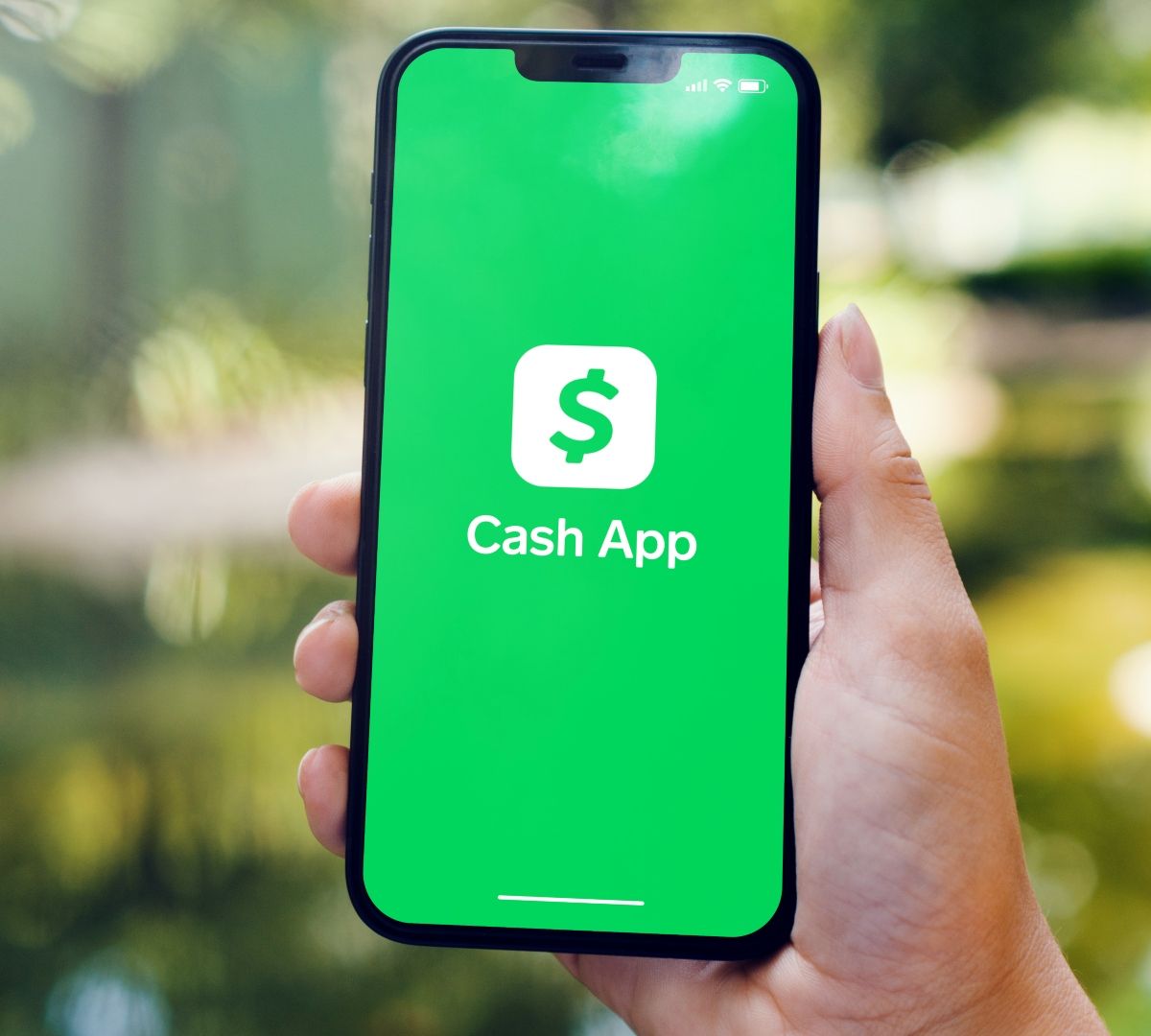
In today’s digital age, money scams have become increasingly prevalent. With the rise of mobile payment apps like Cash App, scammers have found new ways to target unsuspecting victims. Cash App, a popular peer-to-peer payment app, has become a prime target for scammers due to its ease of use and popularity among young adults. In this blog post, we will discuss the various Cash App scams that exist and provide tips on how to protect your hard-earned money.
The Rise of Cash App Scams
Cash App, owned by Square Inc., has quickly gained popularity as a convenient way to send and receive money. With over 30 million active users, it’s no surprise that scammers have taken notice. The most common Cash App scams involve fake customer service numbers, fake Cash App accounts, and phishing scams.
Fake Customer Service Numbers
One of the most common Cash App scams involves fake customer service numbers. Scammers will create fake customer service numbers and pose as Cash App representatives. They will then ask for personal information, such as your login credentials or credit card information, under the guise of helping you with an issue. Once they have this information, they can access your account and steal your money.
To avoid falling victim to this scam, it’s important to remember that Cash App does not have a customer service phone number. Any phone number claiming to be Cash App’s customer service is a scam. If you have an issue with your account, you can contact Cash App through their official website or app.
Fake Cash App Accounts
Another common Cash App scam involves fake Cash App accounts. Scammers will create fake accounts and pose as someone you know, such as a friend or family member. They will then ask you to send them money through Cash App, claiming they are in a financial emergency. Once you send the money, the scammer will disappear, and you will be left with no way to get your money back.
To avoid this scam, it’s important to always verify the identity of the person you are sending money to. If you receive a request for money from someone claiming to be a friend or family member, reach out to them through a different method, such as a phone call or text, to confirm the request.
Phishing Scams
Phishing scams are another common tactic used by scammers to steal money from Cash App users. These scams typically involve receiving a text or email that appears to be from Cash App, asking you to click on a link and enter your login information. Once you do, the scammer can access your account and steal your money.
To avoid falling victim to phishing scams, it’s important to never click on links from unknown sources. If you receive a suspicious text or email claiming to be from Cash App, do not click on any links. Instead, go directly to the Cash App website or app to log in and check your account.
Cash App Flip Scams
Cash App flip scams are a common type of fraud where scammers promise to “flip” a small amount of money into a larger sum. They typically target users through social media platforms, promising to multiply their money quickly. The scammer will ask the victim to send a small amount of money, often claiming that it’s an investment that will yield high returns in a short period. Once the victim sends the money, the scammer disappears, and the promised return never materializes.
To avoid falling victim to Cash App flip scams, it’s crucial to remember that if an offer sounds too good to be true, it probably is. Legitimate investments do not promise instant, high returns with no risk. Always be skeptical of anyone promising to multiply your money quickly, especially if they ask for upfront payment. Educating yourself about common scam tactics and maintaining a healthy level of skepticism can help protect you from these fraudulent schemes.
Cash App Giveaway Scams
Cash App giveaway scams involve scammers posing as Cash App representatives or influencers hosting fake giveaways. They will announce that they are giving away large sums of money and ask participants to send a small amount of money or share their Cash App login details to qualify for the giveaway. The scammers claim that this step is necessary for verification purposes. Once they receive the money or login information, the scammer takes the money and disappears.
To protect yourself from Cash App giveaway scams, never send money or share your login details to enter a giveaway. Legitimate giveaways do not require payment or personal information for participation. Always verify the legitimacy of a giveaway by checking the official Cash App website or social media accounts. If you are unsure, it’s best to avoid participating. Remember, genuine giveaways are free and do not require any form of payment or sensitive information.
Cash App Rental Deposit Scams
Cash App rental deposit scams occur when scammers pose as landlords or property managers offering rental properties. They typically advertise attractive rental deals on online marketplaces and social media platforms. The scammer will ask potential renters to send a deposit via Cash App to secure the property. Once the victim sends the deposit, the scammer disappears, and the rental property either doesn’t exist or is not available for rent.
To avoid falling victim to rental deposit scams, always verify the legitimacy of the rental listing and the identity of the landlord. Arrange to view the property in person and never send money without seeing the property first. Use secure and traceable payment methods, and be cautious of landlords who only communicate via email or text and avoid face-to-face meetings. Research the property and the landlord’s background, and if possible, use reputable rental agencies or websites that offer secure payment methods and verification processes.
How to Protect Your Money
Now that you are aware of the various Cash App scams, it’s important to take steps to protect your money. Here are some tips to keep in mind:
- Never share your login credentials or personal information with anyone, including Cash App representatives.
- Always verify the identity of the person you are sending money to.
- Do not click on links from unknown sources, and always go directly to the Cash App website or app to log in.
- Enable two-factor authentication for added security.
- Regularly check your account for any suspicious activity.
- If you believe you have fallen victim to a Cash App scam, contact Cash App support immediately and report the incident to your local authorities.
Conclusion
Cash App scams are on the rise, and it’s important to stay vigilant and protect your money. By being aware of the various scams and following the tips mentioned in this blog post, you can keep your hard-earned money safe. Remember, if something seems too good to be true, it probably is. Stay safe and happy money transferring!