
 Multiple Faces Detected


 August 17th, 2025
Getting that DM from a popular brand asking you to be their ambassador feels like hitting the social media jackpot. The promise of free products, payment for posts, and association with a major company can be incredibly exciting.
Unfortunately, scammers have turned brand ambassador recruiting into one of their most effective fraud schemes. These sophisticated criminals prey on people’s desire for recognition and easy money, often leaving victims financially devastated and personally embarrassed.
Before you start planning your influencer lifestyle, it’s crucial to understand how to distinguish legitimate opportunities from clever scams. Before responding to any brand partnership offer, protect yourself from potential scams. Use Social Catfish’s comprehensive verification tools to research companies and verify the legitimacy of offers that seem too good to be true.
The Anatomy of Brand Ambassador Scams
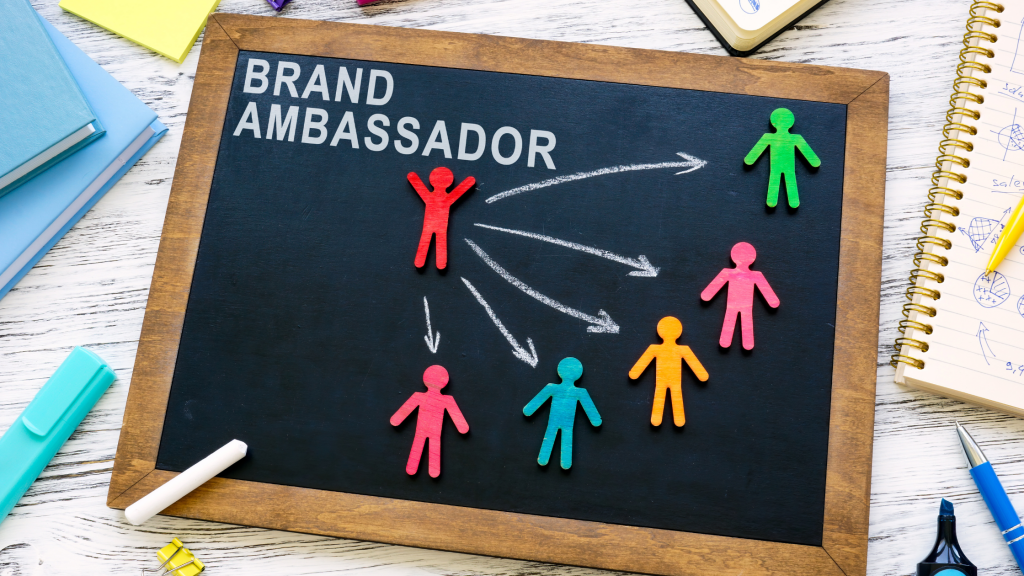
Brand ambassador scams have exploded across social media platforms, targeting everyone from micro-influencers to everyday users with modest followings. These sophisticated schemes follow a predictable pattern that preys on people’s desire for recognition and financial gain.
Scammers create fake social media profiles impersonating legitimate brands, complete with stolen logos, copied content, and follower counts that appear impressive at first glance. They reach out through direct messages, comments, or emails, expressing interest in a partnership with flattering language about content quality and engagement rates.
The initial contact makes recipients feel special and chosen, lowering their guard against potential red flags. Once initial interest is established, scammers quickly create urgency by claiming limited ambassador spots, expiring offers, or exclusive opportunities for select influencers.
These scams usually ask for upfront payments for “starter kits,” banking info for “direct deposits,” or trick you into cashing fake checks and sending money back.
Got a suspicious brand partnership offer? Use Social Catfish’s reverse image search and social media verification to check if it’s real or a scam.
Red Flags That Scream “Scam”
Recognizing warning signs of fake brand ambassador offers can save you from financial loss and personal embarrassment. These red flags are consistent across different scam variations and platforms.
Communication Red Flags: Legitimate brands rarely reach out through personal DMs from unverified accounts. Real partnerships typically go through official marketing departments, verified social media accounts, or established influencer platforms. Be suspicious of recently created accounts, profiles with few followers, or accounts lacking verification badges when representing major brands.
Language and Grammar Issues: Many scams originate from overseas operations where English isn’t the primary language. Look for awkward phrasing, grammatical errors, or overly formal language that doesn’t match the brand’s typical communication style. Legitimate brands invest heavily in communications and rarely make basic language mistakes.
Unrealistic Compensation: Be wary of offers that seem disproportionate to your following or engagement rates. Scammers promise hundreds or thousands of dollars for minimal work, knowing greed can override common sense. Research typical compensation rates for your follower count to understand realistic expectations.
Personal Information Requests: Legitimate brands don’t need Social Security numbers, bank account details, or identification copies during initial discussions. Real partnerships involve contracts and paperwork, but only after both parties agree to work together. Early requests for sensitive information indicate scams.
Upfront Payment Demands: No legitimate brand asks ambassadors to pay for products, shipping, starter kits, or fees upfront. Real partnerships involve companies sending products at their expense. Any money request, regardless of the reason, indicates a scam.
High-Pressure Tactics: Authentic partnerships involve careful consideration from both sides. Legitimate companies understand influencers need time to evaluate offers. Artificial deadlines and pressure tactics are classic scam techniques designed to prevent critical thinking.
How Legitimate Brand Partnerships Actually Work
Understanding authentic brand ambassador processes helps identify genuine opportunities and avoid convincing fakes. Real partnerships follow established protocols and professional standards protecting both companies and influencers.
How Real Brands Find Ambassadors
Legitimate outreach begins through official channels: verified social media accounts, established influencer marketing agencies, or dedicated partnership managers with verifiable LinkedIn profiles and company email addresses. They discover potential ambassadors through hashtag research, influencer databases, or partner recommendations.
Professional Communication Standards
Initial contact from real brands is professional without excessive flattery. Genuine representatives provide specific reasons for interest, often mentioning particular posts, audience demographics, or content alignment with brand values. They don’t use generic templates applicable to anyone.
Partnership Discussion Process
Authentic partnerships involve detailed discussions about expectations, deliverables, and compensation before agreements. Legitimate brands ensure mutual fit and ask about rates, availability, and content creation processes. They provide clear information about products, target audiences, and campaign goals.
Contract and Payment Standards
Real partnerships include proper contracts outlining responsibilities, compensation, posting schedules, and content guidelines. These contracts are legally reviewed and include standard industry terms. Legitimate companies comply with FTC guidelines requiring sponsored content disclosure.
Want to verify if a brand partnership offer is legitimate? Social Catfish’s phone lookup and email verification services can help you confirm that representatives are really associated with the companies they claim to represent.
Social Media Platform-Specific Scam Tactics
Each platform has unique features that scammers exploit when running brand ambassador frauds. Understanding platform-specific tactics helps you stay vigilant regardless of where you encounter potential partnership offers.
Instagram: Scammers create convincing fake accounts using stolen brand imagery, copied bios, and purchased followers. They target users with popular hashtags or recent fashion, beauty, or lifestyle content. Instagram scammers often ask victims to move conversations to WhatsApp or Telegram, claiming business purposes but actually avoiding Instagram’s scam detection.
TikTok: The algorithm-driven discovery makes finding targets easy for scammers. Fake representatives comment on viral videos or contact creators with rapidly growing followings. They exploit TikTok’s younger user base, who may be less experienced with partnerships and more susceptible to exciting opportunities.
Facebook and Twitter: Scammers use fake business pages with stolen content and fake reviews. They approach victims through business messaging or create fake “ambassador recruitment” events. These platforms’ professional networking aspects make users more likely to trust business-related messages.
YouTube: Scammers targeting YouTubers pose as representatives from major brands seeking product review partnerships. They promise free products for reviews, then request shipping fees or taxes upfront. They offer fake sponsorship deals to channels with modest subscriber counts, knowing creators are eager for monetization.
How Social Catfish Can Protect Your Influencer Journey
Reverse Image Search
Social Catfish’s comprehensive verification services are essential tools for navigating the brand partnership landscape. Our platform provides multiple protection layers to distinguish between legitimate opportunities and sophisticated scams.
How it Helps:
- Verifies that profile photos used by brand reps or companies are not stolen from stock images, models, or other individuals.
- Detects impersonation by identifying whether the same photo appears under different names or profiles online.
- Before agreeing to a collaboration, confirm the person contacting you is genuine and not a scammer using a fake identity.
2. Social Media Search
How it Helps:
- Tracks account history and detects red flags like newly created social profiles or low-activity accounts posing as established brand reps.
- Checks if the company actually has an active and professional social presence.
Use Case for Influencers:
- Ensures the brand you’re partnering with is legitimate and aligns with your niche before signing contracts or sending personal data.
3. Phone Number Lookup
How it Helps:
- Confirms if the phone number provided is linked to a real business or flagged as a scam operation.
- Offers location and ownership details to validate contact authenticity.
Use Case for Influencers:
- Quickly identify if a partnership inquiry is from a genuine marketing manager or just a scammer using a throwaway number.
4. Email Address Verification
How it Helps:
- Confirms if an email is from an official company domain instead of free services (like Gmail or Yahoo) commonly used by scammers.
- Detects domain mismatches (e.g., a scammer using “brand-name.co” instead of the official “brandname.com”).
Use Case for Influencers:
- Avoid falling for phishing or scam emails pretending to be brand outreach from well-known companies.
5. People Search & Background Checks
How it Helps:
- Verifies professional histories, employment records, and online presence of individuals claiming to represent a brand.
- Confirms if someone actually works at the company they claim to represent.
Use Case for Influencers:
- Confidently sign contracts knowing the person handling your deal is a legitimate employee, not a scammer with a fake LinkedIn profile.
6. Communication Pattern Analysis (Investigation Services)
How it Helps:
- Analyzes suspicious messages and checks if similar outreach attempts have been flagged as scams.
- Detects high-risk patterns like urgent payment requests or unusual contract terms.
Use Case for Influencers:
- Helps detect sophisticated scams that mimic legitimate brand offers but are actually designed to steal money or personal data.
Steps to Verify Any Brand Ambassador Offer
Before responding to any brand partnership opportunity, follow these essential verification steps to protect yourself from scams and ensure you’re dealing with legitimate representatives.
Research the Company Thoroughly: Visit the brand’s official website and verified social media accounts. Look for ambassador program information, partnership policies, and official contact methods. Compare received communications with the brand’s typical language, imagery, and professional standards.
Verify Representative Credentials: Ask for the full name, title, and direct company contact information of anyone claiming brand representation. Legitimate representatives provide this information willingly and may suggest calling the company’s main number to verify employment.
Cross-Reference Contact Methods: Verify email addresses use official company domains, phone numbers match website listings, and physical addresses correspond to real business locations. Be suspicious of representatives communicating only through social media DMs or personal email accounts.
Request Official Documentation: Ask for official partnership agreements, brand guidelines, and detailed compensation information. Legitimate companies have established processes and documentation for brand partnerships. They won’t rush agreements or refuse to provide detailed collaboration information.
Contact the Brand Directly: Reach out through official website or verified social media accounts to confirm partnership offers. Real companies appreciate your diligence and can immediately confirm legitimate offers.
Don’t let excitement about a brand partnership cloud your judgment. Use Social Catfish’s comprehensive verification services to research every aspect of the opportunity and ensure you’re making informed decisions about your influencer career.
Building a Sustainable and Safe Influencer Career
Successful brand partnerships balance opportunity with scam awareness. Legitimate deals can boost your income and career, but only if approached with diligence. Focus on authentic relationships with brands that align with your values and content style. Avoid offers that seem too good to be true or require immediate action.
Set clear professional standards, minimum pay rates, content quality, and brand alignment—to quickly spot suspicious offers. Network with fellow creators for guidance and scam warnings; the influencer community often shares helpful experiences.
Remember, real brand partnerships are business relationships built on professionalism and mutual respect. Treat every opportunity with care, verify before committing, and protect your reputation.
Ready to grow safely? Use Social Catfish’s verification and investigation tools to confidently secure legitimate brand partnerships while avoiding scams.