
 Multiple Faces Detected


 February 23rd, 2024
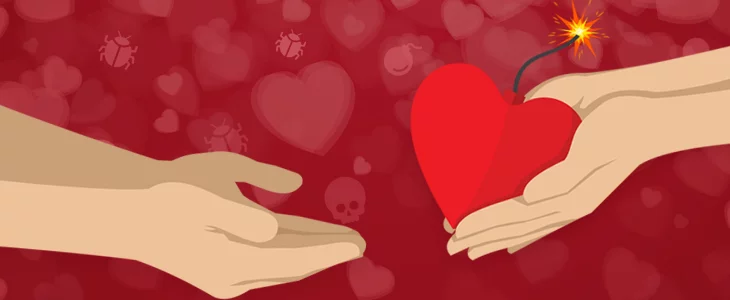
As Valentine’s Day approaches, a symphony of emotions fills the air, echoing the desire for love and connection. However, amidst the romantic overtures, there’s a tune of caution that resonates – a reminder to safeguard our hearts from the subtle notes of deception. In our blog post, “Love Gone Phishy: Safeguarding Your Heart on Valentine’s Day,” we embark on a journey to unravel the potential pitfalls of the digital age’s pursuit of love. Join us in exploring the realms where romance meets the virtual landscape, and discover essential insights and practical tips to protect your heart from phishing scams that may cast a shadow on the celebration of love.
Digital Deceptions: Navigating the Landscape of Online Romance
The digital realm has woven its threads intricately into the fabric of love. Digital Deceptions: Navigating the Landscape of Online Romance” is a contemplative exploration into the complexities and nuances that define relationships in the age of screens and algorithms. As Valentine’s Day beckons, the quest for connection often ventures into the virtual landscape, where genuine emotions coexist with the potential for digital deceptions. This blog post seeks to illuminate the subtle intricacies of love in the digital age, urging readers to tread with caution while navigating the expansive landscape of online romance.
Within the vast expanse of digital connections, the lines between authenticity and deception blur. The blog post delves into the varied facets of digital deceptions, unraveling the narratives spun by cybercriminals seeking to exploit the tender sentiments associated with Valentine’s Day. From fake profiles to orchestrated emotional manipulation, the post sheds light on the subtle pitfalls that may compromise the authenticity of online relationships. By understanding these digital nuances, individuals can approach the pursuit of love with a discerning eye, steering clear of potential deceptions that may lurk beneath the surface.
As we embark on a journey through the landscape of online romance, the blog post encourages a thoughtful examination of the digital connections we forge. It serves as a compass, guiding readers through the complexities of virtual love, and fostering awareness of the potential pitfalls that may accompany the pursuit of affection in the digital era. Through this exploration, the goal is to empower individuals to navigate the digital landscape of romance with both optimism and a vigilant heart.
The Art of Phishing: Unmasking Deceptive Tactics
The Art of Phishing: Unmasking Deceptive Tactics” delves into the cunning strategies employed by cybercriminals as they weave a web of deceit, particularly during the vulnerable season of love leading up to Valentine’s Day. Phishing, an insidious form of digital deception, is an art form mastered by those seeking to exploit the genuine desire for connection. This blog post aims to expose the intricate tactics that constitute this art of phishing, providing readers with the knowledge needed to recognize and thwart potential scams that may tarnish the celebration of love.
At the heart of the art of phishing lies the creation of deceptive narratives and false personas. Scammers craft fake profiles, often adorned with attractive images and appealing backstories, to lure unsuspecting individuals into a web of deceit. The blog post sheds light on the emotional manipulation orchestrated by these cybercriminals, emphasizing the rapid and intense expressions of affection designed to establish trust swiftly. By unraveling these tactics, readers gain insight into the intricate artistry behind phishing attempts, enabling them to discern between authentic connections and digital illusions.
The post navigates through the various stages of phishing, from the initial creation of enticing profiles to the subsequent requests for financial assistance. It underscores the importance of being vigilant against unsolicited financial appeals and suspicious behavior, urging readers to question the authenticity of digital connections that may be veiled in the guise of affection. By unmasking the deceptive tactics inherent in the art of phishing, individuals are equipped with the tools needed to protect their hearts and digital well-being during the season of love.
Guarding Affection: Practical Tips for a Phish-Free Valentine’s Day
As love takes center stage on Valentine’s Day, it’s crucial to guard your heart against the potential phishing scams that may lurk in the digital shadows. Here are practical tips to ensure a Phish-Free celebration, empowering you to navigate the realms of online romance with confidence:
- Verify Online Connections:
- Before fully investing in an online relationship, verify the identity of your virtual partner. Conduct reverse image searches and cross-reference information to confirm authenticity.
- Before fully investing in an online relationship, verify the identity of your virtual partner. Conduct reverse image searches and cross-reference information to confirm authenticity.
- Exercise Caution with Declarations of Love:
- Be mindful of expressions of love that seem overly intense or rushed. Scammers use emotional manipulation to create a false sense of intimacy quickly.
- Be mindful of expressions of love that seem overly intense or rushed. Scammers use emotional manipulation to create a false sense of intimacy quickly.
- Financial Vigilance:
- Never send money to someone you’ve met online, especially if they make financial requests. Legitimate relationships do not typically involve monetary transactions in the early stages.
- Never send money to someone you’ve met online, especially if they make financial requests. Legitimate relationships do not typically involve monetary transactions in the early stages.
- Choose Safe Meeting Locations:
- If planning an in-person meeting, prioritize public places for your safety. Avoid secluded areas and inform someone you trust about your plans.
- If planning an in-person meeting, prioritize public places for your safety. Avoid secluded areas and inform someone you trust about your plans.
- Educate Yourself on Common Scams:
- Stay informed about common online scams, particularly those prevalent during Valentine’s Day. Knowledge is your best defense against potential threats.
- Stay informed about common online scams, particularly those prevalent during Valentine’s Day. Knowledge is your best defense against potential threats.
- Limit Personal Information Sharing:</strong>
- Exercise caution when sharing personal details. Avoid divulging sensitive information until you’ve established trust in the relationship.
- Exercise caution when sharing personal details. Avoid divulging sensitive information until you’ve established trust in the relationship.
- Use Reputable Dating Platforms:
- Opt for well-known and reputable dating platforms that prioritize user safety. These platforms often have robust security measures in place.
- Opt for well-known and reputable dating platforms that prioritize user safety. These platforms often have robust security measures in place.
- Update Security Software:
- Ensure that your devices have the latest security updates and antivirus software. This helps protect against potential malware or phishing attempts.
- Ensure that your devices have the latest security updates and antivirus software. This helps protect against potential malware or phishing attempts.
- Trust Your Instincts:
- If something feels off or too good to be true, trust your instincts. Emotional manipulation is a common tactic used by scammers, and listening to your gut can prevent falling victim to deceit.
Love Beyond Phish: Navigating Digital Romance with Confidence
the quest for genuine connections extends beyond the shadows of phishing attempts. Love Beyond Phish: Navigating Digital Romance with Confidence” is a guide to empower individuals to embrace the beauty of online connections while remaining vigilant against potential deceit. This blog post illuminates the path to authentic relationships in the virtual realm, emphasizing the importance of discernment, trust, and confidence when navigating the intricacies of digital romance.
Beyond the deceptive tactics explored in earlier sections, this post shifts the focus to the positive aspects of online connections. It encourages readers to believe in the possibility of genuine love in the digital age while providing practical insights on fostering meaningful relationships. By highlighting the red flags associated with phishing attempts and offering guidance on building authentic connections, the post aims to instill confidence in individuals seeking love in the virtual realm.
Navigating digital romance with confidence involves recognizing that, amidst the potential threats, there are also opportunities for meaningful connections. The post encourages readers to trust their instincts, use the knowledge gained from exposure to phishing tactics, and approach online relationships with optimism. Ultimately, “Love Beyond Phish” is a call to embrace the digital era’s potential for authentic connections while remaining vigilant and confident in the pursuit of love.