 Multiple Faces Detected


 October 4th, 2023
When we put our money in the bank, we usually don’t think twice about it. We think that it’s safe within our banking accounts and that we have our debit card to use while making the purchases we need. We usually don’t think that anything could go wrong with that until a scammer figures out a way to access our online bank accounts. As the coronavirus continues to plague our nation, we are having to deal with scammers figuring out every clever way they can to invade our bank accounts and steal our hard-earned cash in these never-ending banking scams.
The Clever Ways Scammers Trick You Into Banking Scams

The Fake Check Scam
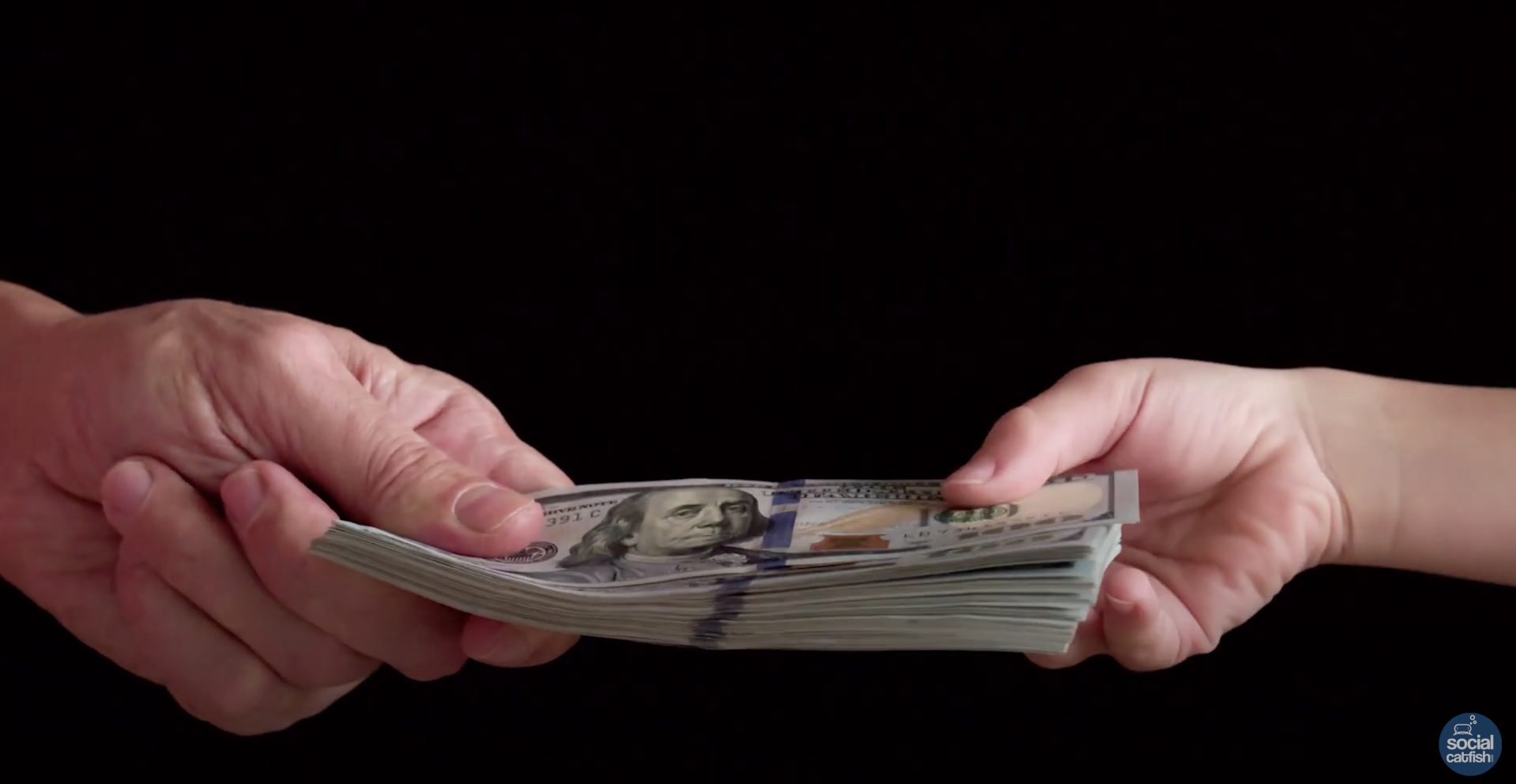
A scammer sends you a fake check, then says you can keep the rest of the money as long as you wire them a certain amount. The scammer then blocks you after they receive the money you gave them, and the bank calls you telling you it was a fake check. They instruct you to pay all the money back to them, and you lose out on the amount of money the scammer supposedly sent you plus the money you gave to the scammer.
How to Avoid: Don’t cash checks from anyone you don’t know or trust. These checks could be fraudulent and leave you having to pay back the debt.
Data Breach Banking Scams
The scammer gets your email address from the dark web and guesses your password to your bank account, which is called a data breach. They might also get your personal information from the dark web and pretend to be you, which is called identity theft. They get to the screen where a two-factor authentication code is required to access your banking account. They mask the phone number of your bank and pretend to be a customer service agent, letting you know your account has been hacked.
They ask for your two-factor authentication code to access your account and “supposedly” change your log-in details so the hacker can’t access it. After the phone call, they lock you out of your account and put your money in a separate banking account. They transfer it over to their account, leaving you without your hard-earned cash.
How to Avoid: If your bank is calling you, don’t give them your information right away. Instead, hang up and call them back on their official number.

Phishing Scam
Scammers send phishing text messages and emails to your device and make them look like it’s your bank communicating with you. These links then send you to a form on a fake website where it asks you to fill out your personal information in order to access your banking account. This information usually includes your password, username, social security number, address, etc. to where they can identify who you are. With this information, they can then access your bank account and take your money for themselves, committing identity theft.
How to Avoid: Don’t click on any random links from email addresses or phone numbers you don’t know. If you think it’s from your bank, go to their actual website and change your password. Don’t change it from the link.
Unauthorized Purchase Fake Check Scam
You receive a check for no reason and figure that it’s a legit check. You go to cash it in, but instead, accidentally authorize a purchase or a loan you didn’t know about.
How to Avoid: Don’t cash in any random checks you weren’t expecting.
Unauthorized Automatic Withdrawals
A scam company convinces you to buy something and make payments using automatic withdrawals to your bank. You agree to this and give them your banking information. Instead of giving you the thing that they promised you, they steal all your money.
How to Avoid: Don’t give any company access to your bank account, or allow for automatic withdrawals. Instead, make the payments yourself manually.
Banking Scams Warning Signs
Here are some warning signs of banking scams:
- Requests for personal information: Scammers may contact you through emails, text messages, or phone calls asking for your personal information such as your bank account details, credit card numbers, Social Security number, or login credentials.
- Unsolicited offers: Be cautious of unsolicited offers from banks or financial institutions that require you to provide personal information or money upfront.
- Too good to be true: If an offer seems too good to be true, it probably is. Be cautious of promises of high returns on investments, guaranteed loans, or debt relief programs.
- Urgency: Scammers often use urgency to create a sense of panic or fear to get you to act quickly. They may tell you that your account has been compromised or that you need to act immediately to avoid fees or penalties.
- Poor grammar and spelling: Scam emails and messages often have poor grammar, spelling mistakes, and formatting errors. Legitimate banks and financial institutions typically have professional communications.
If you encounter any of these warning signs, it’s important to be cautious and verify the legitimacy of the communication or offer before providing any personal information or making any financial transactions.
Social Catfish is Here to Help with Banking Scams!
At Social Catfish, we want to help our users verify the identities of the scammers who are suspected of scamming them. With our reverse search bar, all you need is either their name, email address, phone number, social media username, or image to see who it is you are really talking to and avoid the nightmare of banking scams. You can also report any scams to the FTC here.