Multiple Faces Detected



 March 4th, 2026
UpScrolled went from 150,000 users to over 2.5 million in a matter of days. When TikTok changed ownership in January 2026 and users began reporting widespread censorship, millions of people downloaded the Australian-built alternative almost overnight. That kind of explosive growth is exciting, and it’s exactly the kind of moment scammers live for.
According to McAfee’s 2026 research, 1 in 7 American adults has already lost money to an online romance or social media scam. When a new platform surges in popularity faster than its safety systems can scale, fraudsters flood in first. Before you connect with anyone new on UpScrolled, Social Catfish is the fastest way to confirm they are who they say they are. Here’s what you need to know.
What Is UpScrolled?
UpScrolled is an Australian social media platform for microblogging and short-form online video sharing that was launched in June 2025 by Recursive Methods Pty Ltd. It was founded by Issam Hijazi, a Palestinian-Australian developer. The app positions itself as a direct alternative to TikTok, Instagram, and X, built around free speech, transparency, and no algorithmic manipulation.
UpScrolled enables photos, short-form video, and text posts, making it feel like a combination of X and Instagram. Unlike TikTok, Instagram, or other major platforms, UpScrolled deliberately avoids addictive algorithms. Its feed is chronological, its moderation is minimal by design, and its rapid growth has made it one of the most talked-about new platforms of 2026.
That open philosophy is genuinely appealing. But it also creates real risks for users who don’t know what to watch for.
Why UpScrolled Attracts Scammers
UpScrolled’s greatest selling point, minimal censorship and open access, is the same thing that makes it a target. Every platform that promises fewer restrictions and faster growth attracts not just authentic voices, but fake ones too.
One Google Play reviewer noted seeing “dedicated porn and gore accounts” appearing in their feed uncensored. UpScrolled has since added AI content tags and reporting features, but as a small, fast-scaling company, its moderation infrastructure is still catching up with its user base.
Here’s why scammers specifically seek out platforms like UpScrolled:
New platforms have fewer identity checks. Established platforms like Instagram and Facebook have years of fraud detection infrastructure. From October to December 2024, Meta took action against 1.4 billion fake accounts on Facebook. A brand-new app simply doesn’t have that level of detection yet, making it easier for fake accounts to operate undetected.
Explosive growth creates a chaotic environment. The flood of new users in late January briefly crashed UpScrolled’s servers. When a platform scales that fast, its safety team is overwhelmed, response times slow down, and scammers have a wider window to operate before being reported or removed.
Users let their guard down on new platforms. When people join a community built around shared values, free speech, political solidarity, and anti-censorship, they often extend more trust to fellow users than they would on an anonymous platform. Scammers exploit that sense of community.
Multi-platform scams use new apps as entry points. Scammers in 2026 rarely stay on one platform long enough to be reported effectively. A scam may start with a wrong-number text, move to WhatsApp or Telegram, and end on a fake bank or cryptocurrency website. UpScrolled is a perfect entry point, a fresh platform with a trusting user base and limited fraud history.
The Scams to Watch For on UpScrolled
Fake Profiles and Catfishing
The most common scam on any social platform is a fake identity. In romance scams, a criminal uses a fake online identity to gain a victim’s affection and trust. The scammer then uses the illusion of a romantic or close relationship to manipulate and/or steal from the victim.
On UpScrolled, fake profiles are easy to create and harder to flag. Someone can follow you, slide into your DMs, and build a relationship over days or weeks before asking for anything. In 2026, the days of spotting a scammer through broken English or blurry photos are officially over. Today’s scammers aren’t just people behind keyboards; they are AI-powered enterprises using deepfake technology to break hearts and bank accounts.
Pig Butchering and Crypto Investment Scams
This is the fastest-growing financial scam of 2026, and social media is the primary hunting ground. A scammer builds a friendly or romantic connection over time, then casually mentions how well they’ve been doing with a crypto investment. They offer to show you how. After establishing frequent contact, scammers claim to have earned large profits through trading cryptocurrency and offer to help the victim do the same. Victims are then directed to fraudulent trading platforms run by criminal organizations, where they can suffer substantial financial losses. This type of fraud is estimated to cost Americans roughly $10 billion each year, according to the Commodity Futures Trading Commission.
Fake Activist Accounts and Impersonation
Given UpScrolled’s strong association with political and social activism, scammers may impersonate real journalists, organizers, or public figures to gain credibility and followers, then use that trust to solicit donations, promote fraudulent links, or harvest personal information from people who believe they’re supporting a cause.
DM Phishing and Link Scams
As users grow their following and post regularly, they become targets for direct message scams. A user might receive a message claiming to be from UpScrolled support, a brand partnership opportunity, or a fellow activist sharing a “critical” link. Multi-channel scams, where victims are lured from social media or text messages into encrypted chats and fraudulent payment pages, will become the dominant pattern in 2026. Clicking an unverified link in a DM on any platform can lead to phishing pages or malware downloads.
Sextortion
A less discussed but serious risk on any platform with private messaging is sextortion. A scammer builds a flirtatious connection, encourages the exchange of intimate photos, and then threatens to share them unless the victim pays. This happens across all social platforms and is particularly easy to execute on newer apps where accounts face less scrutiny.
Red Flags That Someone on UpScrolled May Be Scamming You
- Their account was created recently and has very few posts or followers
- They move very quickly, excessive compliments, declarations of closeness, or pushing to move to WhatsApp or Telegram early on
- They claim to be overseas, in the military, working on an oil rig, or otherwise unable to meet in person or video call
- They bring up cryptocurrency, investments, or a “business opportunity” unprompted
- Their profile photo looks too polished run it through a reverse image search
- They ask for money, gift cards, wire transfers, or cryptocurrency for any reason
- Their story has inconsistencies details about their life, location, or job that don’t quite add up
- They ask personal questions that feel designed to gather information rather than build a connection
How to Verify Someone You Meet on UpScrolled
Here’s a realistic scenario: someone follows you on UpScrolled, leaves a thoughtful comment on one of your posts, and sends you a DM. They’re warm, articulate, and seem genuinely aligned with the things you care about. Within a few days, the conversation has moved to WhatsApp. Within a week, they’re asking about your life, your family, your finances. Something feels slightly off, but you can’t put your finger on what.
This is exactly where Social Catfish comes in. Here’s how to investigate, step by step.
Start with the photo. Before anything else, right-click their profile picture and run it through Social Catfish’s
. If the image belongs to a real person somewhere else on the internet — a model, a doctor, a military officer, it will show up. In 2026, scammers use AI-generated faces too, and Social Catfish’s image search can flag those as well. This single step catches the majority of fake profiles before the conversation goes any further.
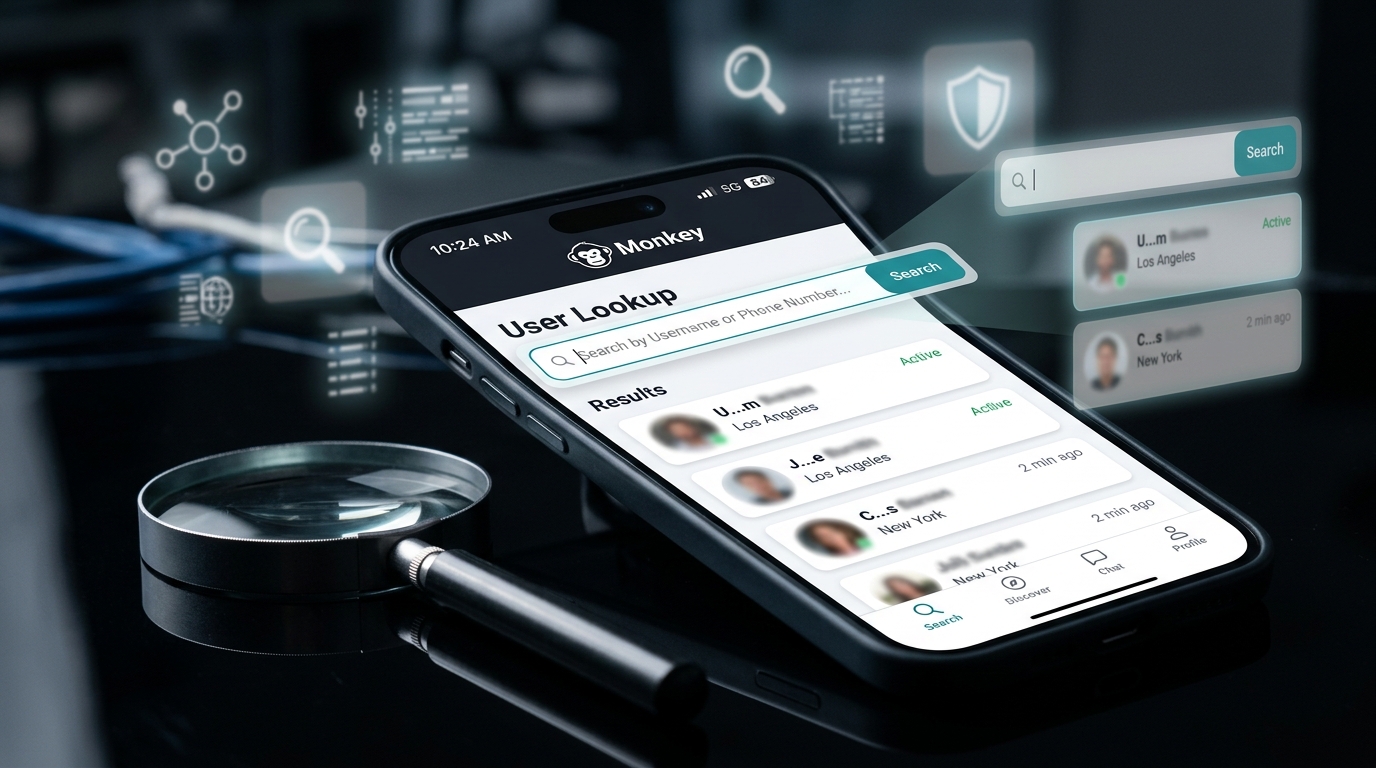
Check their username. If the photo checks out but something still feels off, search their UpScrolled handle through Social Catfish’s Username Search. Scammers frequently reuse the same username across multiple platforms. If that handle appears on a dating app, a forum, or another social network under a completely different identity, that’s a serious red flag.
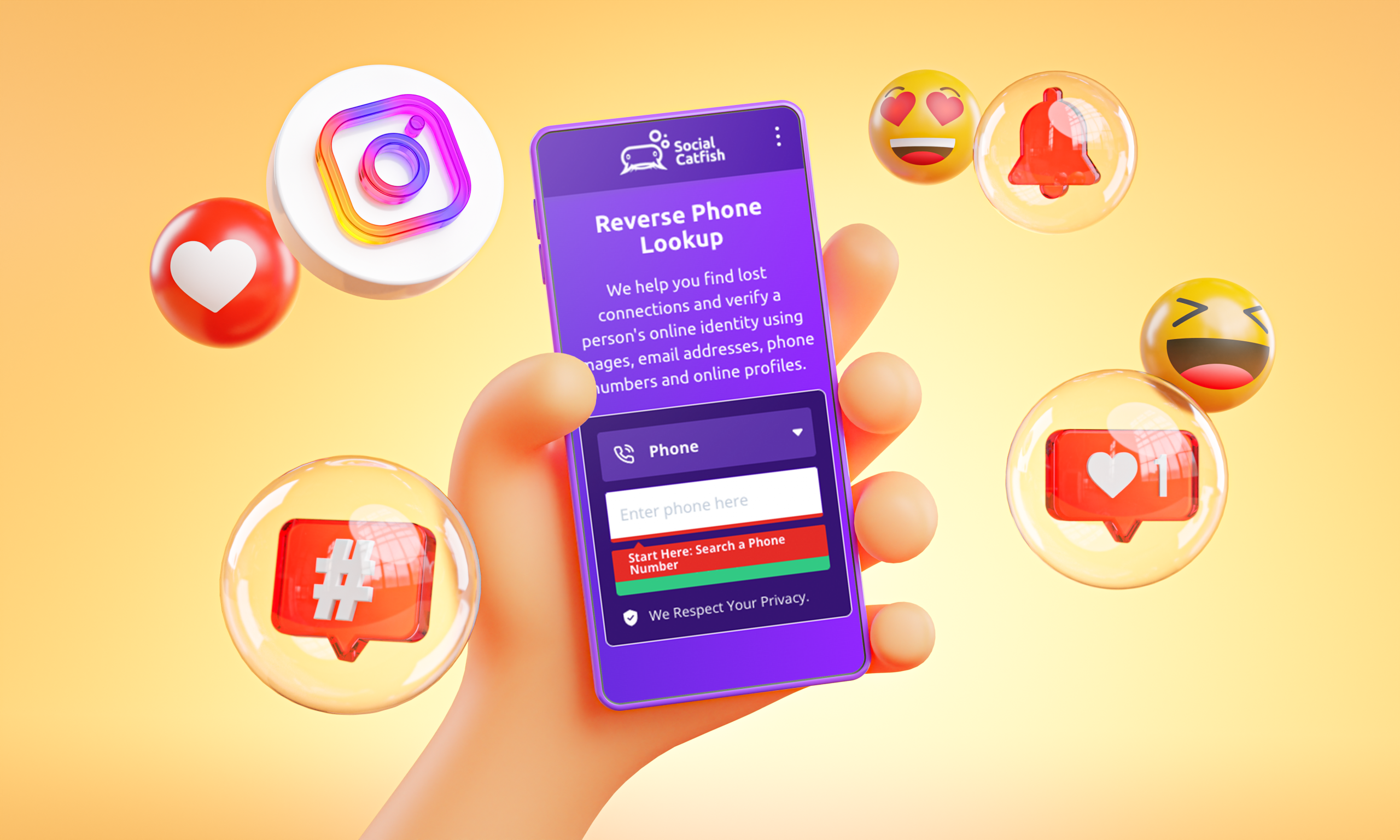
Once they give you their number. The moment someone asks to move the conversation to text or gives you their phone number, run it through Social Catfish’s Reverse Phone Search before you reply. This will tell you who the number is actually registered to, what location it’s associated with, and whether it’s been linked to scam reports by other users. A number that doesn’t match the name or location they’ve given you is a major warning sign.
If they’ve given you an email or their full name. A Reverse Email Search can reveal what other accounts and platforms are connected to their address, often exposing an entirely different identity. A Name Search cross-references the name against public records to confirm it exists and matches the details they’ve shared.
How to Stay Safe on UpScrolled
Keep conversations on the platform. Anyone who pressures you to move conversations to private or encrypted apps quickly should be treated with caution. Scammers push you off-platform because it removes the reporting trail.
Don’t send money to anyone you haven’t met in person. This applies no matter how long you’ve been talking, how well you think you know them, or how compelling their story sounds. The FBI urges people to slow down, ask questions, and never send money or share personal details, including bank information and Social Security numbers, with strangers or someone they have only spoken to online.
Be skeptical of video calls. In past years, a video call was considered proof of identity. In 2026, that method no longer works reliably. AI-generated faces, voices, and live deepfakes are convincing enough to pass casual verification and even some automated checks.
Report suspicious accounts. UpScrolled has in-app reporting features. Use them. The faster fake accounts are flagged, the faster the platform’s moderation team can act.
Limit what you share publicly. Your posts, photos, and location information can all be used to build a convincing fake relationship or a targeted phishing message. Be intentional about what you share on a platform that’s still developing its privacy infrastructure.
Frequently Asked Questions
Yes. UpScrolled is a legitimate Australian social media platform founded by Issam Hijazi and launched in June 2025 by Recursive Methods Pty Ltd. It is available on both the Apple App Store and Google Play. The platform itself is not a scam, but like every social media app, it can be used by scammers.
No. UpScrolled does not currently require identity verification to create an account, which means anyone can create a profile with a fake name, stolen photo, and fabricated backstory. This is common across most social platforms, but it means you should not take anyone’s identity at face value.
Recovering money lost to online scams is extremely difficult, especially if it was sent via wire transfer, gift cards, or cryptocurrency. File a report with the FTC at reportfraud.ftc.gov and with the FBI’s Internet Crime Complaint Center at ic3.gov. Contact your bank immediately if any financial accounts were involved.
Stop sharing personal information immediately. Do not send money. Run their photos and username through Social Catfish to check for stolen images or mismatched identities. Report the account through the UpScrolled app.
If you’re considering meeting someone in person, verify their identity first using Social Catfish. When you do meet, choose a public location, tell a friend where you’re going, and never go to a private location on a first meeting.
The Bottom Line
UpScrolled is a real, rapidly growing social platform built with genuine intentions. But good intentions don’t protect users from bad actors, and the same open environment that attracts people tired of Big Tech censorship also attracts scammers who thrive wherever moderation is light and trust runs high.
The red flags are the same on UpScrolled as they are everywhere else: too fast, too good, too eager to move things off-platform or ask for money. If something feels off, it probably is. Use Social Catfish to verify who you’re really talking to before you invest your trust, your time, or your money in someone you’ve only met online.