
 Multiple Faces Detected


 October 4th, 2025
In today’s fast-paced digital economy, peer-to-peer payment apps like Cash App have become indispensable tools for sending and receiving money quickly and conveniently. Whether you’re splitting a dinner bill, paying a friend back, or receiving a payment for goods, Cash App makes financial transactions incredibly easy. However, this ease of use, combined with the widespread adoption of the platform, has also made it a prime target for scammers and impersonators. The FBI’s Internet Crime Complaint Center (IC3) receives thousands of reports of online fraud and scams each year, highlighting the pervasive nature of these digital threats.
This article will equip you with the knowledge to spot these fakes, avoid their traps, and show you how Social Catfish can be your ally in verifying online identities and staying secure.
The Rise of Impersonation Scams on Cash App
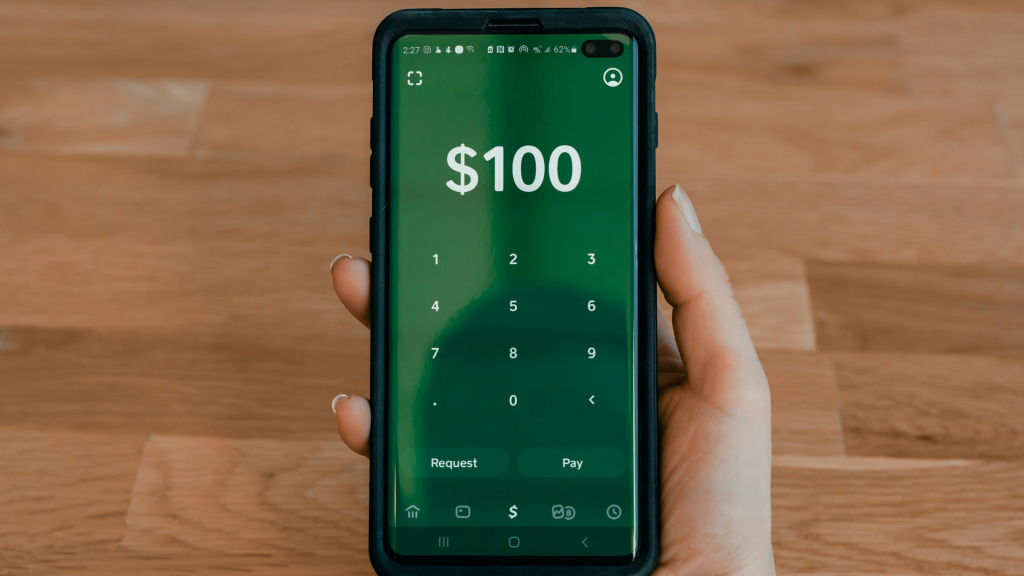
Scammers are constantly evolving their tactics, and impersonating legitimate services is a highly effective way to gain trust. On Cash App, this can manifest in several ways:
- Fake Customer Support: Scammers create profiles or even websites that mimic official Cash App support, hoping you’ll reach out with an issue and unwittingly provide them with your login details or other sensitive information.
- “Giveaway” Scams: Impersonator accounts promise large sums of money or prizes if you send them a small “verification” fee or share your account details.
- Phishing Attempts: They might send messages or emails that look like they’re from Cash App, asking you to click a link to “verify your account” or “claim a reward,” leading you to a fake login page.
- Fake Seller/Buyer Accounts: Scammers create fake accounts posing as buyers for items you’re selling or sellers for items you want to buy, intending to take your money without delivering goods or services.
The common thread in all these schemes is deception—they rely on you believing you’re interacting with a legitimate entity or individual.
Red Flags: How to Spot a Fake Cash App Account or Scam
Your best defense against impersonators is a keen eye and a healthy dose of skepticism. Here’s what to look for:
1. Unofficial-Looking Usernames and Profile Pictures:
Official Cash App support or verified business accounts will usually have professional usernames and clear, branded profile pictures. Scammers often use slightly altered names (e.g., “CashApp_Supportt,” “Cash.App.Help”) or generic, low-resolution images. They might even use a generic photo that looks somewhat like a legitimate person, but doesn’t quite fit.
2. Requesting Money or Personal Information for “Verification”:
Legitimate Cash App support will NEVER ask you for your PIN, login password, full debit/credit card number, or Social Security Number over chat or email. They will also never ask you to send them money to “verify” your account, “release funds,” or for any other reason. If someone claiming to be Cash App support asks for any of this, it’s a scam.
3. Promises That Are Too Good to Be True:
If you receive a message offering you a significant amount of money for free, claiming you’ve won a lottery you didn’t enter, or guaranteeing a massive return on a small investment, it’s almost certainly a scam. Cash App does run legitimate giveaways occasionally, but they are highly publicized on their official channels, and you would never be asked to send money to receive a prize.
4. Poor Grammar and Spelling:
While not always a definitive sign, many scam messages and profiles are riddled with grammatical errors, typos, and awkward phrasing. Legitimate financial institutions maintain a high standard of communication.
5. Urgency and Pressure Tactics:
Scammers often try to rush you into making a decision, claiming an offer is time-sensitive or that your account will be suspended if you don’t act immediately. This is designed to bypass your critical thinking and prompt an impulsive response.
6. Asking You to Communicate Outside the App:
If someone you met on Cash App tries to quickly move the conversation to another platform (text, email, another messaging app) before you’ve completed a transaction or fully verified their identity, be wary. They might be trying to avoid Cash App’s security measures.
Proactive Measures: Protecting Yourself from Cash App Scams
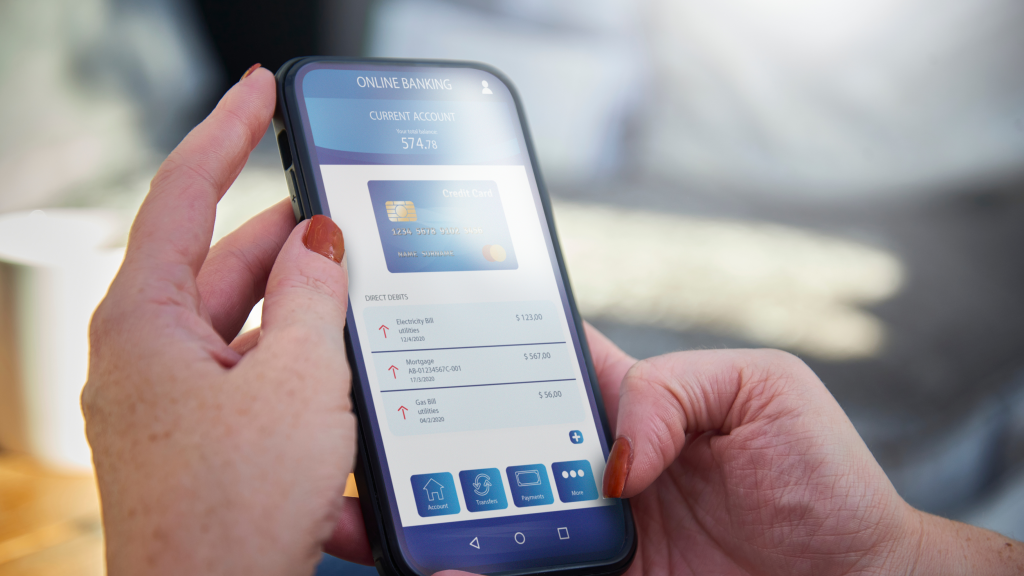
Beyond spotting the red flags, adopt these habits to keep your account secure:
1. Verify Senders and Recipients:
Always double-check the “$Cashtag” of the person you’re sending money to. Even a single character difference can mean your money goes to a scammer instead of your intended recipient. If you’re unsure about a new contact, especially a seller or someone offering a service, ask for additional verification.
2. Enable All Available Security Features:
- Security Lock: Use a PIN, Touch ID, or Face ID to protect your Cash App payments.
- Notifications: Turn on notifications for all account activity so you’re immediately alerted to any unauthorized transactions.
- Two-Factor Authentication (2FA): If Cash App offers it, enable 2FA for your linked email and phone number. This adds an extra layer of security, requiring a code from your device in addition to your password.
3. Link a Dedicated Bank Account:
Consider linking a bank account specifically for peer-to-peer transactions, rather than your primary checking or savings account. This limits potential damage if your Cash App account is compromised.
4. Be Wary of Unknown Requests:
If you receive a “request” for money from someone you don’t know, never accept it. Just like an unsolicited package, an unsolicited money request can be part of a scam to get you to send money back.
5. Only Contact Official Cash App Support:
If you need help, always go directly to the official Cash App website or use their official in-app support channels. Never search for “Cash App support number” online and call the first number you see, as these are often fake.
This is where a reverse search tool becomes incredibly valuable. If you’re interacting with a suspicious profile on Cash App, you can take a look at their profile picture or username. You can then run a Social Catfish reverse image search or reverse username search. If the photo belongs to someone else or appears on a different profile with a different name, you’ve likely found a fake account. This is a powerful way to verify who you’re talking to and avoid scams.
How Social Catfish Can Help
Social Catfish is a powerful investigative tool designed to help you verify identities and uncover deception online, which is incredibly useful when dealing with potential Cash App impersonators.
- Reverse Image Search: Upload a suspicious Cash App profile picture to see if it’s a stock photo, stolen, or used across multiple fake accounts.
- Reverse Username Search: Enter a “$Cashtag” or username to uncover linked social media, dating profiles, or scam histories.
- Reverse Email/Phone Search: Check if an email or phone number tied to a supposed agent or seller is real by revealing the true owner, names, and connected profiles.
By utilizing these tools, you can add a critical layer of verification to your online interactions, making it much harder for fake Cash App accounts and scammers to trick you.
FAQ: Your Top Questions Answered
Q: Can Cash App recover money if I send it to a scammer? A: It’s very difficult. Cash App transactions are instant and irreversible, much like cash. If you send money to a scammer, immediately contact Cash App support and your bank, but be prepared that recovery is not guaranteed.
Q: What should I do if I suspect I’ve been scammed on Cash App? A: First, immediately block the account. Report the transaction and the account to Cash App support through the app. You should also report it to your bank and, if you’ve lost money, consider filing a report with the Federal Trade Commission (FTC).
Q: How can I identify official Cash App social media accounts? A: Look for the verified checkmark next to their name. Official accounts will also have a substantial number of followers and a history of legitimate posts, typically linking back to their official website or app.
Q: Can scammers use my Cash App details to access my bank account? A: If you only provide your “$Cashtag,” it’s generally safe. However, if you’ve given them your bank login details, card numbers, or other sensitive personal information, they absolutely can attempt to access your linked accounts.
Conclusion
The convenience of Cash App makes it an attractive target for scammers, but an informed user is a powerful defense. By recognizing the tell-tale signs of fake accounts, understanding common scam tactics, and implementing robust security practices, you can protect your hard-earned money and personal data. Always prioritize skepticism over urgency, verify identities thoroughly, and remember that if an offer sounds too good to be true, it almost certainly is. And for those moments when you need to dig deeper and confirm who you’re really interacting with, Social Catfish’s reverse search tools are here to provide the clarity and confidence you need to navigate the digital world safely. Stay vigilant, stay informed, and keep your financial security a top priority.