

 Multiple Faces Detected


 October 5th, 2025
Credit card fraud has become one of the most prevalent forms of financial crime in the digital age. With billions of dollars lost annually to fraudulent activities, understanding how scammers operate with fake credit card numbers is crucial for protecting yourself and your financial assets. According to the FBI’s Internet Crime Complaint Center (IC3) latest report, financial fraud continues to be among the most reported cybercrimes, with reported losses exceeding $16 billion in 2024—a 33% increase from the previous year.
This comprehensive guide explores the tactics criminals use, how they obtain and utilize fake credit card number information, and most importantly, how you can safeguard yourself against these sophisticated schemes. Don’t wait until you become a victim. Social Catfish’s advanced verification tools help you identify potential scammers before they can access your personal and financial information.
Understanding Fake Credit Card Numbers
The Science Behind Card Number Generation
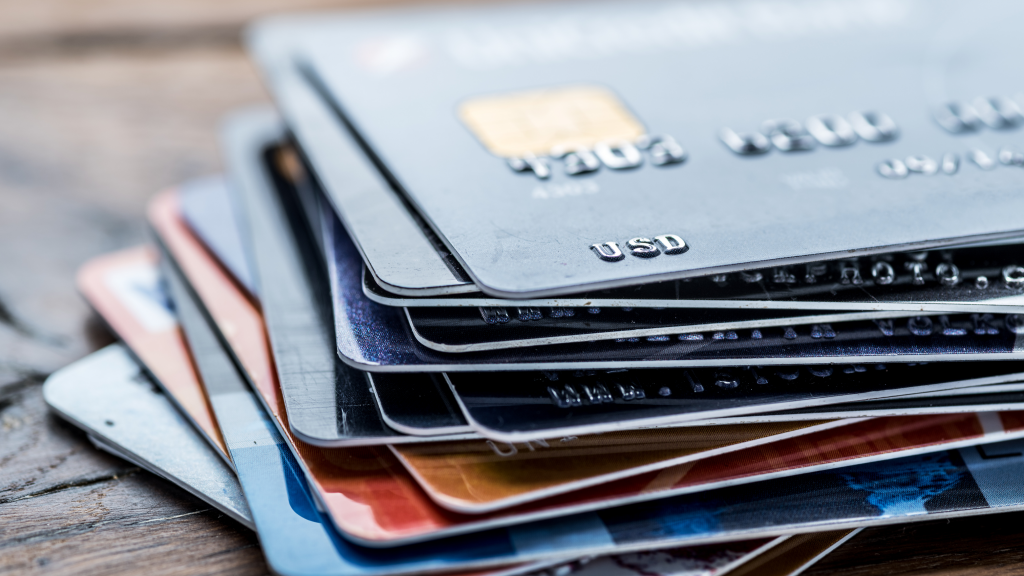
Fake credit card numbers aren’t just random sequences of digits. Sophisticated criminals use various methods to generate or obtain legitimate-looking card numbers that can bypass basic security checks. These numbers may appear valid at first glance but are either completely fabricated using algorithms or stolen from legitimate cardholders.
Card Number Anatomy and Validation
The anatomy of a credit card number follows specific patterns. Each card type has a unique identifier prefix, and all valid credit card numbers must pass the Luhn algorithm check. Scammers exploit this knowledge to create numbers that appear authentic to automated systems, at least initially.
Verify suspicious financial communications before taking action. Social Catfish’s comprehensive verification tools can help you identify potential scams before they impact your finances.
How Scammers Obtain Credit Card Information
Data Breaches and Dark Web Sales
Large-scale data breaches have become increasingly common, exposing millions of credit card details simultaneously. When major retailers, financial institutions, or service providers suffer security breaches, criminals gain access to vast databases of personal and financial information. This stolen data is then sold on dark web marketplaces, where it’s packaged and distributed to fraudsters worldwide.
Phishing and Social Engineering
Phishing attacks remain one of the most effective methods for obtaining credit card information. Scammers create convincing fake websites, emails, and text messages that appear to come from legitimate financial institutions. They trick victims into entering their credit card details, believing they’re updating their account information or resolving a security issue.
Social engineering tactics involve manipulating people through psychological manipulation rather than technical hacking. Scammers may call pretending to be from your bank, creating urgency around a supposed security breach that requires immediate verification of your card details.
Skimming Devices
Physical skimming devices attached to ATMs, card readers, and point-of-sale terminals capture credit card information when legitimate cards are swiped. These devices have become increasingly sophisticated, with some being nearly impossible to detect with casual observation.
Mail Theft and Dumpster Diving
Traditional methods like stealing mail containing credit card statements, pre-approved offers, or new cards remain surprisingly effective. Criminals also search through discarded documents for financial information, highlighting the importance of proper document disposal.
Common Fraud Schemes Using Fake Credit Card Numbers
Online Purchase Fraud and Card Testing
Criminals use stolen or generated credit card numbers to make online purchases, often targeting digital goods or items that can be quickly resold. They may use techniques like card testing, where they make small purchases to verify which stolen numbers are still active before attempting larger transactions.
Account Creation and Identity Assumption
Fraudsters use fake credit card numbers combined with stolen personal information to create new accounts with various service providers. This allows them to assume someone’s identity for extended periods, potentially causing long-term damage to credit scores and financial reputations.
Triangulation Schemes and Fake Storefronts
In these complex schemes, criminals create fake online stores or auction listings. When legitimate buyers make purchases using real credit cards, the criminals use stolen card information to purchase the items from legitimate retailers, shipping them directly to the buyer while keeping the payment from the real customer.
Stay vigilant about online transactions and new account notifications. Social Catfish’s identity monitoring services can alert you to suspicious activities across multiple platforms.
Red Flags and Warning Signs
Unexpected Account Activities and Changes
Monitor your accounts regularly for unfamiliar transactions, even small ones. Criminals often test stolen card numbers with minimal purchases before attempting larger fraud. Unexpected changes to your account information, new cards being requested, or addresses being modified are all serious warning signs.
Communication Anomalies and Phishing Attempts
Be wary of urgent communications requesting credit card verification, especially those creating artificial time pressure. Legitimate financial institutions rarely request sensitive information via email or unsolicited phone calls. Grammar errors, generic greetings, and suspicious sender addresses are common indicators of fraudulent communications.
Suspicious Online Encounters
When shopping online, be cautious of deals that seem too good to be true, websites with poor design or security indicators, and sellers requesting unusual payment methods. Criminals often create fake storefronts to capture credit card information from unsuspecting buyers.
The Impact of Credit Card Fraud
Personal and Financial Consequences
The consequences of credit card fraud extend far beyond the immediate financial loss. Victims often spend considerable time and effort restoring their credit, dealing with financial institutions, and monitoring for ongoing fraudulent activities. The emotional stress and sense of violation can be significant, particularly when fraud involves identity theft.
Business and Economic Impact
For businesses, credit card fraud results in chargebacks, lost merchandise, and damaged customer relationships. The cost of fraud prevention measures and the administrative burden of dealing with fraudulent transactions continue to increase as criminal tactics become more sophisticated.
Protect your personal information before it becomes compromised. Social Catfish’s background check services help you understand what information about you is publicly available and potentially vulnerable.
Prevention Strategies and Best Practices
Secure Online Habits and Digital Awareness
Always verify website authenticity before entering credit card information. Look for secure connection indicators, read privacy policies, and research unfamiliar retailers before making purchases. Use secure payment methods when possible, such as digital wallets or virtual credit card numbers offered by some financial institutions.
Regular Monitoring and Account Management
Check your credit card statements frequently, not just monthly. Many financial institutions offer real-time transaction alerts via text or email. Take advantage of these services to identify suspicious activities quickly.
Physical Security Measures
Protect your physical cards by keeping them secure and being aware of your surroundings when using them. Cover your PIN when entering it, and inspect card readers for any unusual attachments before use.
Information Hygiene and Privacy Protection
Limit the amount of personal information you share online and regularly review your privacy settings on social media platforms. Criminals often piece together information from multiple sources to build comprehensive profiles for fraud.
How Social Catfish Can Help
At Social Catfish, we understand the evolving nature of online fraud and identity theft. Our comprehensive suite of verification and investigation tools helps protect you from scammers who use fake credit card numbers and other fraudulent tactics.
Identity Verification Services
Our advanced identity verification tools help you confirm the legitimacy of individuals and businesses before engaging in financial transactions. Whether you’re dealing with online sellers, potential romantic interests, or business partners, our verification services provide crucial insights into their true identities.
Background Checks and People Search
Our extensive background check services reveal important information about individuals, including their real names, addresses, and associated accounts. This information can help you identify potential scammers before they gain access to your financial information.
Reverse Lookup Services
If you receive suspicious communications requesting credit card information, our reverse phone and email lookup services can help identify the true source of these messages. This is particularly valuable for identifying phishing attempts and social engineering schemes.
Social Media Investigation
Scammers often create fake social media profiles to build trust and credibility. Our social media investigation tools help verify the authenticity of online profiles and identify potential red flags that may indicate fraudulent activity.
Search Specialist Services
When standard searches aren’t enough, our professional search specialists provide personalized investigation services. Our experienced team can conduct in-depth research on suspicious individuals, uncover hidden connections, and provide detailed reports that help you make informed decisions about potential fraud risks. This white-glove service is particularly valuable for complex cases involving sophisticated scammers or when you need comprehensive background information before engaging in significant financial transactions.
Legal Consequences and Reporting

Understanding the Legal Framework
Credit card fraud is a serious federal crime with significant legal consequences. Understanding the legal framework helps victims know their rights and the importance of reporting fraudulent activities promptly.
Proper Reporting Procedures
When you discover credit card fraud, immediately contact your financial institution and file a police report. Also report the incident to the Federal Trade Commission and relevant credit bureaus. Proper reporting not only helps with your individual case but also assists law enforcement in identifying and prosecuting criminal networks.
Frequently Asked Questions
How can I tell if a credit card number is fake?
While legitimate credit card numbers follow specific patterns and pass algorithm checks, determining if a number is fake or stolen requires verification with the issuing bank. If you suspect fraudulent activity, contact your financial institution immediately rather than trying to verify the number yourself.
What should I do if I think my credit card information has been stolen?
Immediately contact your credit card company to report the suspected theft and request a new card. Monitor your accounts closely, file a police report, and consider placing a fraud alert on your credit reports. Document all communications and keep records of any fraudulent transactions.
How often should I check my credit card statements?
Review your statements at least weekly, if not daily. Most financial institutions offer mobile apps and online access that make frequent monitoring convenient. Set up account alerts to notify you of transactions in real-time.
Are there any safe ways to use credit cards online?
Yes, using credit cards online can be safe when proper precautions are taken. Shop only on secure websites, use unique passwords for financial accounts, enable two-factor authentication where available, and consider using virtual credit card numbers for online purchases when offered by your bank.
What information do scammers need to commit credit card fraud?
Basic credit card fraud requires the card number, expiration date, and security code. However, more sophisticated identity theft involves combining this information with personal details like your name, address, Social Security number, and other identifying information to create comprehensive fake identities.
Conclusion
Credit card fraud using fake numbers represents a growing threat in our increasingly digital world. As scammers develop more sophisticated techniques to steal and exploit financial information, staying informed and vigilant becomes more critical than ever. The key to protection lies in understanding how these schemes work, recognizing warning signs, and taking proactive measures to secure your financial information.
Remember that prevention is always better than recovery. By implementing strong security habits, regularly monitoring your accounts, and using verification services when dealing with unfamiliar individuals or businesses online, you can significantly reduce your risk of becoming a victim.
Stay one step ahead of scammers with Social Catfish’s comprehensive protection services. Our team of experts is ready to help you verify suspicious individuals, investigate potential fraud, and protect your financial security in an increasingly complex digital landscape.