 Multiple Faces Detected


 October 6th, 2025
Scams that start on social media are on the rise. According to the Federal Trade Commission, one in four people who reported losing money to fraud since 2021 said it began on social media platforms. During the same period, reported losses to social media based scams reached $2.7 billion, the highest among all methods of contact. Having your Facebook account hacked isn’t just an inconvenience, it’s a serious security threat that can expose you to identity theft, financial loss, and damaged personal relationships.
This article will walk you through the crucial steps to take if you suspect your Facebook account has been hacked, and, more importantly, how to build a stronger digital defense to prevent it from happening again. We’ll also show you how Social Catfish’s powerful tools can be your secret weapon in verifying online identities and protecting yourself from scammers.
The Warning Signs: Is Your Account Compromised?
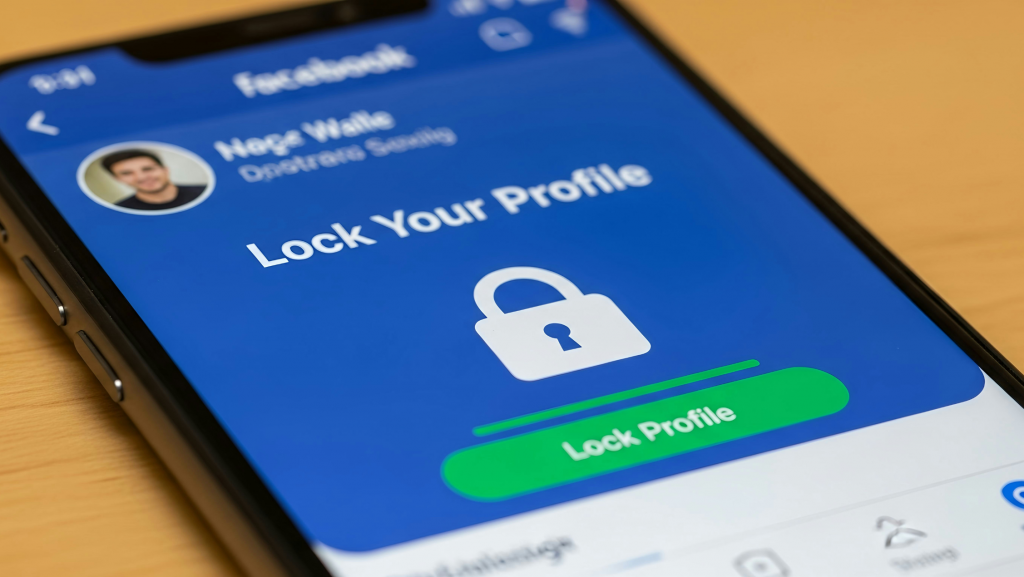
Before we dive into what to do, let’s look at the red flags that indicate a potential hack. Has your Facebook account suddenly started doing things you didn’t authorize? These are common signs:
- Unfamiliar Posts or Messages: You see posts on your timeline, or messages sent from your account, that you did not write.
- Friend Requests You Didn’t Send: Your account is sending friend requests to people you don’t know.
- Changed Profile Information: Your name, birthday, email, or password has been changed without your consent.
- Suspicious Login Activity: You receive an email or notification from Facebook about a login from an unrecognized device or location.
- Locked Out of Your Account: You can’t log in because your password has been changed, and your recovery email or phone number is no longer valid.
I’ve Been Hacked! Now What?
If you’ve confirmed that your account is compromised, act immediately. The clock is ticking, and the longer you wait, the more damage a hacker can do.
Step 1: Get Back In Control
If you can still log in, great! Change your password immediately. Create a new one that is long, complex, and unique. Avoid using personal information like your name, birthdate, or pet’s name. A strong password should be a combination of uppercase and lowercase letters, numbers, and symbols. If you’re struggling to come up with one, consider a password manager.
If you are locked out, don’t panic. Go to the Facebook login page and click “Forgot password?” Follow the prompts to reset your password using your email or phone number. If the hacker has changed your recovery information, use the “No longer have access to these?” link to start the account recovery process.
Step 2: Log Out of All Sessions
After you’ve changed your password, go to your Facebook “Settings & Privacy” and then “Security and Login.” Here, you’ll see a section called “Where you’re logged in.” Review the list of devices and locations. If you see any that you don’t recognize, log them out immediately by clicking the three-dot menu next to them. This will boot the hacker out of your account, even if they have the new password.
Step 3: Conduct a Security Checkup
Facebook has a built-in security checkup tool. You can find it in the “Security and Login” section. Use it to review and strengthen your security settings. It will guide you through:
- Login Alerts: Make sure these are turned on so you are notified every time there’s a login from an unrecognized device.
- Two-Factor Authentication (2FA): This is arguably the most important step you can take. With 2FA enabled, even if a hacker has your password, they can’t get into your account without a code sent to your phone or authentication app. This is a non-negotiable step for all your important online accounts.
Review Recent Activity: Check for any new posts, comments, or friend requests that were made from your account without your permission and delete or undo them.
Building Your Digital Fortress: Preventing Future Hacks
A reactive approach isn’t enough. You need a proactive strategy to protect your data.
1. Mind Your Passwords
As mentioned, a strong, unique password is your first line of defense. Never reuse passwords across different sites. If one site is breached, a hacker can’t use the same credentials to access your Facebook, email, or banking accounts.
2. Be Smart About Links and Downloads
Phishing scams are a common way for hackers to gain access. Be wary of suspicious links sent through Messenger, even if they appear to be from a friend. Hover over a link before you click it to see the actual URL. If it looks strange or doesn’t match the description, do not click it. The same goes for attachments or downloads, they could contain malware that compromises your device and steals your data.
3. Tame Your Third-Party Apps
We’ve all seen the “Log in with Facebook” button. While convenient, it gives that app access to your Facebook data. Go to “Settings & Privacy,” then “Settings,” and find the “Apps and websites” section. Review the list of apps you have connected to your account and remove any that you no longer use or don’t recognize. These apps can be a security loophole for a hacker.
4. Be Selective with Friend Requests
Hackers often create fake profiles to gain access to your network and personal information. They’ll send friend requests to dozens, or even hundreds, of people with the goal of expanding their reach. Be cautious of friend requests from people you don’t know, especially if their profile seems sparse or has very few friends.
This is where a reverse search tool becomes incredibly valuable. If you receive a suspicious friend request, you can take a look at their profile picture and run a Social Catfish reverse image search. If the photo belongs to someone else or appears on a different profile with a different name, you’ve likely found a fake account. This is a powerful way to verify who you’re talking to and avoid scams.
How Social Catfish Can Help
Beyond preventing catfishing scams, Social Catfish offers a suite of tools that are indispensable for protecting your digital life. Our search engine scours billions of records to help you verify a person’s online identity.
- Reverse Image Search: Use our reverse image search to verify a profile photo. If the picture has been stolen from a celebrity, a stock photo site, or another person’s account, our tool will trace it back to the original source, a crucial first step in identifying fake profiles.
- Reverse Email Search: If you receive a message from a suspicious email address, our reverse email search can uncover connections to social media profiles, usernames, and public records. This gives you a clearer picture of who you’re really talking to.
- Reverse Phone Search: When a scammer tries to move the conversation to text, our reverse phone lookup can reveal the owner of the number, their location, and related data to confirm if they’re legitimate.
- Privacy Lock: Our Privacy Lock tool helps you remove your personal information from data broker sites that sell or expose it. It’s one of the easiest ways to reduce your digital footprint and keep your private details out of the hands of scammers.
- Guess Your Password: With Guess Your Password, Social Catfish can test how easily your passwords could be guessed using common hacker methods. This feature helps you understand your vulnerabilities and strengthen your online accounts before scammers exploit them.
- Search Specialist Assistance: For cases that require deeper investigation, our Search Specialist team can conduct manual identity verification or advanced scam investigations. Whether you’re dealing with a romance scam, crypto fraud, or a complex identity issue, our experts use professional tools to trace and confirm digital identities accurately.
These tools empower you to be your own detective, giving you the information you need to make informed decisions and stay safe online.
FAQ: Your Top Questions Answered
Q: Can a hacked Facebook account be used for identity theft? A: Yes. A hacker can steal your personal information (name, birthdate, location, friends list) and use it to open fraudulent accounts, apply for credit cards, or commit other forms of identity theft. They can also use your account to phish your friends and family.
Q: Should I delete my account after a hack? A: Not necessarily. Deleting your account can be a last resort. Your first priority should be to regain control and secure it. If you’re unable to, you can report the account to Facebook and ask for it to be taken down.
Q: What if I can’t get my account back? A: If all else fails and Facebook’s recovery process doesn’t work, your only option is to create a new account. Be sure to use a different email address and phone number, and implement all of the security tips outlined in this article.
Q: How can I tell if a friend’s account has been hacked? A: If a friend’s account starts sending you strange messages, links, or friend requests, it’s a good sign that they’ve been hacked. A common tactic is a message asking for money or claiming to be in an emergency. Contact them through another channel (text message, phone call) to verify if they sent the message. If they didn’t, advise them to secure their account.
Conclusion
A Facebook account hacked is a frightening experience, but it doesn’t have to be a disaster. By understanding the signs of a compromise, acting swiftly to regain control, and implementing strong security measures, you can protect your digital identity. Remember, being proactive is key. Use strong passwords, enable two-factor authentication, and be wary of suspicious activity. And for that extra layer of protection, remember that Social Catfish’s suite of tools can help you verify identities and keep you one step ahead of the scammers. Protecting your data is a continuous effort, but with the right knowledge and resources, you can keep your privacy intact and your digital life secure.