Multiple Faces Detected


 August 25th, 2024
Welcome to our hilarious and informative blog post on fake shopping websites! We all love a good deal, but sometimes those too-good-to-be-true prices can lead us down a dangerous path. With the rise of online shopping, it’s becoming increasingly important to know how to spot and avoid fake shopping websites. So, grab your popcorn and get ready for some laughs as we dive into this topic.
The Rise of Fake Shopping Websites
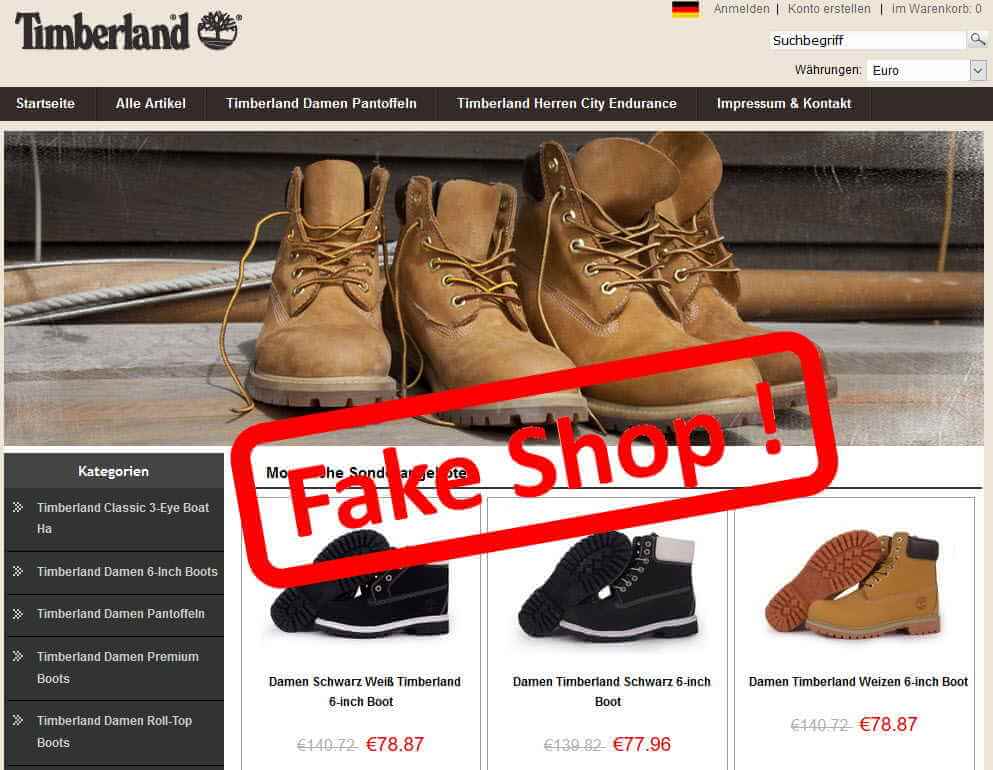
With the convenience of online shopping, it’s no surprise that scammers have taken advantage of this trend. Fake shopping websites are popping up left and right, offering unbelievable deals on designer items, electronics, and more. But don’t be fooled by their flashy websites and tempting prices – these sites are nothing but a scam.
So, how can you spot a fake shopping website? Here are some red flags to look out for:
- Unbelievably low prices: If a website is offering designer items at a fraction of the retail price, it’s most likely too good to be true.
- Poor website design: Many fake shopping websites have poorly designed websites with spelling and grammar errors. This is a clear sign that the site is not legitimate.
- No contact information: Legitimate websites will always have a way for customers to contact them. If you can’t find any contact information on the website, it’s a major red flag.
- No secure payment options: If a website only offers payment through wire transfer or money order, it’s a sign that they are trying to avoid being traced.
The Importance of Checking Website Security Certificates
One crucial step in ensuring that you’re shopping on a legitimate website is to check the website’s security certificates. Legitimate websites use SSL (Secure Sockets Layer) certificates to encrypt data exchanged between your browser and the website. This means that sensitive information, like your credit card details, is protected from potential hackers. To check for this, look for a padlock icon next to the URL in your browser’s address bar. Additionally, ensure the website’s URL starts with “https://” instead of just “http://,” as the “s” stands for “secure.” If you don’t see these indicators, it’s a sign that the website may not be secure, and you should avoid entering any personal or financial information.
Beyond looking for the padlock icon, it’s also worth clicking on it to view more details about the security certificate. This can give you information about the issuing authority and the website’s legitimacy. While some scammers might still use SSL certificates to make their fake websites look legitimate, this is a crucial first step in identifying and avoiding fraudulent sites. Always be cautious and double-check before proceeding with your purchase.
How to Avoid Fake Shopping Websites
Now that you know how to spot a fake shopping website, let’s talk about how to avoid them altogether. Here are some tips to keep in mind when shopping online:
- Stick to well-known and reputable websites: When in doubt, stick to websites that you know and trust. This will greatly reduce your chances of falling victim to a fake shopping website.
- Do your research: Before making a purchase from a new website, do some research. Look for reviews and ratings from other customers to get a better idea of the site’s legitimacy.
- Check for secure payment options: Always make sure the website offers secure payment options, such as PayPal or credit card. This will protect your personal and financial information.
- Be cautious of deals that seem too good to be true: As the saying goes, if it seems too good to be true, it probably is. Don’t let the temptation of a great deal cloud your judgment.
Understanding Return and Refund Policies
Another red flag of fake shopping websites is the lack of clear return and refund policies. Legitimate online retailers will always provide detailed information on how you can return items, what the conditions are for returns, and how refunds are processed. If a website doesn’t offer any information on returns or has vague or overly complicated terms, this should raise suspicion. Often, fake shopping websites will either have no return policy or will create one that is designed to discourage or prevent customers from returning items, ensuring that they keep your money no matter what.
Before making a purchase, take the time to read the return and refund policy carefully. If anything seems off, like excessive restocking fees, short return windows, or requirements that seem unreasonable, it’s better to walk away. Additionally, try contacting customer service with a question about the policy. If you receive a generic response or no response at all, it’s a strong indication that the website may not be trustworthy. Being thorough with this step can save you from potential headaches and financial loss down the road.
The Funniest Fake Shopping Websites We’ve Found
Now, let’s take a break from all the serious talk and have a good laugh at some of the funniest fake shopping websites we’ve come across. These websites are so ridiculous, it’s hard to believe that anyone would fall for them.
1. “Free” Designer Handbags
This website claims to offer free designer handbags to anyone who signs up for their membership program. But here’s the catch – you have to pay a monthly fee of $50 to be a member. So, in reality, you’re paying for the handbag and then some. Talk about a scam!
2. “Discount” Electronics
This website offers huge discounts on the latest electronics, such as iPhones and laptops. But when you receive your package, you’ll quickly realize that you’ve been scammed. Instead of the brand new iPhone you thought you were getting, you’ll receive a cheap knockoff from China. Not exactly the deal you were hoping for.
3. “Limited Time” Sales
Many fake shopping websites use the tactic of limited time sales to create a sense of urgency and pressure customers into making a purchase. But don’t be fooled – these sales are often fake and the prices are not actually discounted. It’s just a ploy to get you to buy something before you have time to think it through.
Conclusion
We hope you’ve enjoyed this funny and informative blog post on fake shopping websites. Remember, always be cautious when shopping online and trust your instincts. If a deal seems too good to be true, it probably is. And if you do happen to come across a hilarious fake shopping website, be sure to share it with your friends for a good laugh.
Thanks for reading and happy shopping (on legitimate websites, of course)!