 Multiple Faces Detected



 January 21st, 2026
What Are Email Scams and Why Are They Dangerous?
Email scams are a type of fraud that uses email messages to trick people into transferring money or providing personal information.
It uses various malicious strategies ranging from simple tricks like soliciting individual funds to more complex crimes like Business Email Compromise (BEC) targeting large organizations.
According to a Public Service Announcement released by the FBI in September 2024, the total number of victim complaints between 2013 and 2023 was 158,436, and the amount lost within that period amounted to a staggering $20,089,561,364.
Additionally, there was a 9% increase in incidences globally. But why such a huge amount of loss?
Email scammers usually pose as a trusted authority and, in other cases, use emotional language or a sense of urgency to manipulate victims into making quick and ill-informed decisions.
In addition, these scammers have also evolved their techniques, integrating technology into their operations to make it harder to track them.
Most Common Email Scams in 2024
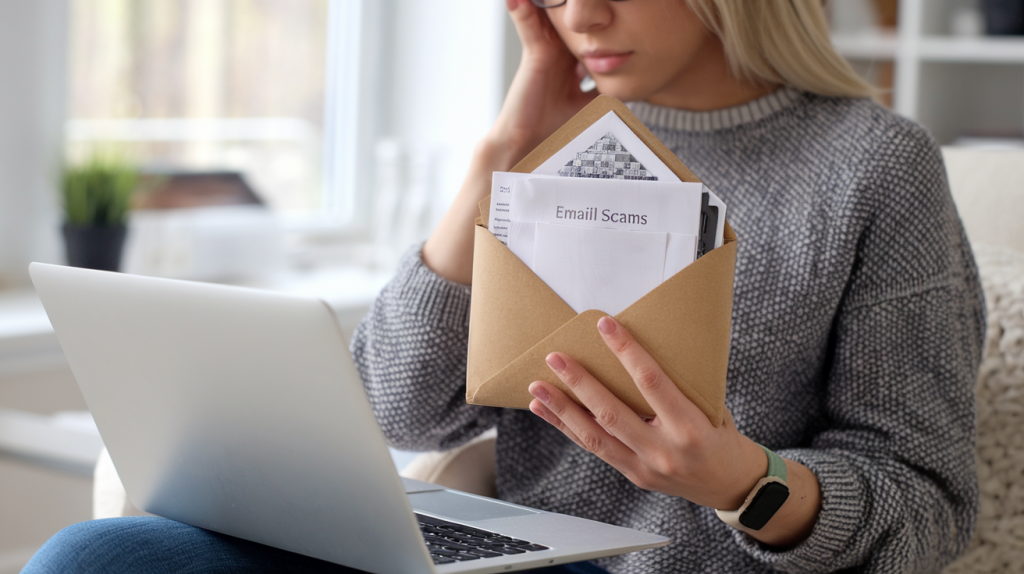
Despite their continuous evolution, the main goal remains: taking advantage of people’s vulnerability through false promises.
There are many types of email scams, but the most common ones that fraudsters like to use are:
1. Phishing Emails
Phishing is a type of email scam that targets victims by masquerading as being from legitimate organizations such as banks, mortgage companies, or internet service providers.
Mostly, they ask you to provide personal information such as their name and address, among others.
When they get this data, they might use it to impersonate you and commit a wide range of identity theft, including opening financial accounts, making purchases, and leaving the bills for you to pay.
Additionally, the attackers might also infect your device with malware and have unauthorized access to your information.
2. Fake Invoice Scams
Invoice scams are another type of email scam that targets authorized personnel who make payments in an organization.
Scammers send fake invoices with higher amounts and then request reimbursement for the overpaid money.
If the organization fails to identify that the message is from a scammer, it can refund the amount, which goes straight to the scammer, leaving the firm with a deficit.
3. Lottery and Prize Scams
Other email scams that are commonly experienced are lottery and prize fraud.
Scammers can send you an email claiming you have won and that you should send your personal or banking information to deposit the money.
As a result, they can use this information for identity theft crimes. In other cases, the scammer can repeatedly ask for funds to cater for false issues like delivery, insurance, or even tax.
Victims are usually persuaded to keep the status confidential to ensure others do not notice that it is a scam and blow their cover.
4. Business Email Compromise (BEC)
Business Email Compromise (BEC) refers to a type of email scam where fraudsters send an email to a firm’s employee, most likely someone with an official position, to trick them into sending money or sensitive company information.
Usually, the perpetrator pretends to be a trusted source and then asks for sensitive information they can use to commit other crimes or a fake bill that needs to be paid.
In 2023 alone, more than 20,000 complaints were made to the FBI concerning this type of email scam.
How to Spot and Identify a Scam Email
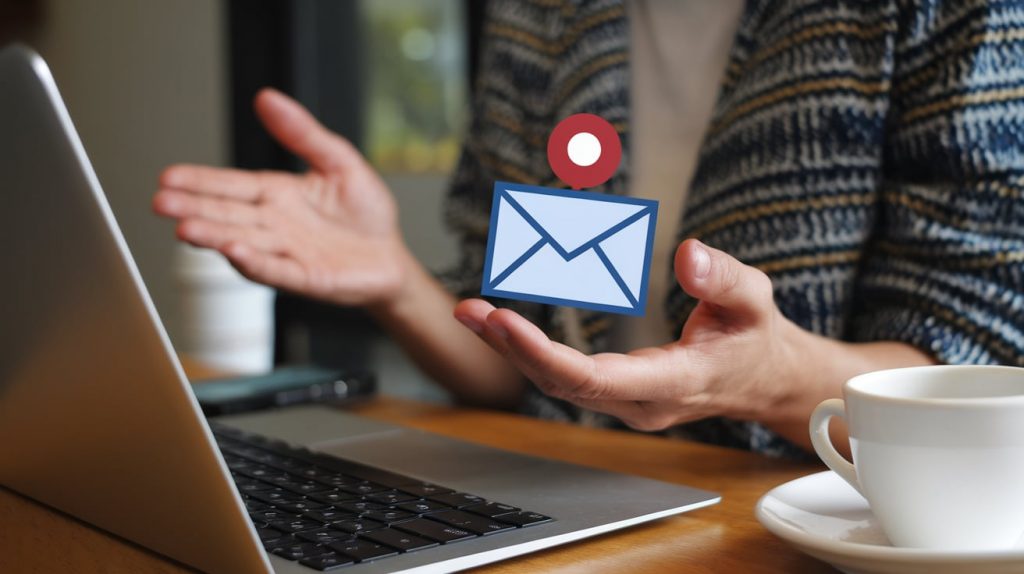
At first glance, an email scam can look real. Scammers using this method hope that you will not notice their strategy.
They craft the email to look like it comes from a company you know and even use its logo in the header. But here are the signs you should look out for:
i). Look for Spelling Errors and Generic Greetings
Most official emails from legitimate organizations do not use generic terms and odd grammar.
Instead, they use personalized greetings and avoid terms like ‘Sir’ or ‘Customer’.
Additionally, firms are less likely to use odd grammar, spelling errors, and missing punctuation.
All these are red flags you should look for in an email message to identify if it is a scam.
ii). Check Email Domains for Legitimacy
You can determine if you are getting a scam email by checking the domain. Legitimate firms usually send emails from addresses with the company’s domain following the ‘@’ symbol.
For instance, an email from Google would be in the form ‘xyz@google.com’.
A fake email will be from a public domain like Yahoo, Hotmail, Gmail, or an unknown domain.
iii). Avoid Clicking on Unverified Links or Attachments
Scam emails are likely to come with a phishing link or an attachment.
If you click on the link, you risk infecting your device with a virus or malware, destroying all your information.
Also, this link can send you to a malicious website where you can give out your data without knowing that you are allowing scammers to access your information.
Steps to Take if You Receive a Suspicious Email
If you receive a suspicious email and are unsure if it is legitimate, do not respond or click on any links. Instead, analyze it carefully to determine if it is fraudulent.
There are platforms, such as UVA, that can help you see if the email you received is identified as a popular phishing scam.
If you do not find it in the platform, it could be because you are the first one to identify. You can report it by forwarding it to your local email abuse authority.
When reporting, forward it as an attachment to ensure it reaches the recipient, including the header information.
In some platforms like Outlook, you can directly report the email as phishing. After reporting, make sure you delete it permanently.
Protecting Yourself from Email Scams in the Future
With the prevalence of email scams, you should know how to prevent future scams.
Apart from the common strategies, such as not clicking emails or attachments, knowing how to identify scam emails, and keeping up with new trends, the following strategies also apply.
a). Enable Two-Factor Authentication (2FA)
You should enable two-factor authentication as an addition to your password to put tight security on your email accounts.
This strategy ensures that scammers do not get unauthorized access to your devices and accounts.
b. Use a Reliable Spam Filter Like Social Catfish Privacy Lock
You should have a reliable email spam filtering and detection strategy to prevent future attacks.
Spam filters are algorithms that identify and block unsolicited and infected emails.
They use technologies like machine learning and pattern matching to guarantee security.
Platforms like Social Catfish offer security measures that protect against malware and phishing emails.
c). Report Scams to Authorities
If you experience any form of email scam, you can contact law enforcement in your location. This way, you transfer the case to the relevant authority, allowing them to trace and find the perpetrators.
Final Thoughts
Protecting yourself from email scams in 2024 requires vigilance and the right tools. Social Catfish is your trusted ally in identifying and avoiding email scams.
Its powerful scam detection and email verification features help you verify senders, detect suspicious activity, and protect your personal information.
Stay one step ahead of scammers—explore how Social Catfish can safeguard your online interactions today!